
Lieferung heute & morgen

Qualitätsgarantie

Willkommens-Angebote freischalten: KOSTENLOSE Lieferung | Bis zu 80 % RABATT | Kostenlose 30-Tage-JoyPlus-Testphase
App herunterladen
A moisturiser should care for dry or tight-feeling skin comfortably, without leaving a sticky feel or containing unnecessary ingredients. However, choosing the right product depends on more than the brand name and advertising claims. The face and body often need different textures, while sensitive or blemish-prone skin may react to fragrances, alcohol or rich oils.
A rich cream is not automatically suitable for every skin type. Very dry body skin may benefit from a more densely formulated body lotion. A light gel texture can feel more comfortable on oily and blemish-prone skin. Important ingredients include humectants such as glycerin, urea and hyaluronic acid, as well as nourishing and skin-protecting ingredients such as oils, waxes and silicones.
A firmer cream can be useful on elbows and knees, but may feel heavy on the face. A moisturising gel or lightweight moisturising lotion usually absorbs more quickly and works well under sun protection or make-up. If you have little time after showering, look for claims such as “fast-absorbing” and compare the product description with the ingredients list.
“Natural” does not automatically mean gentle. Essential oils, parfum and fragrance allergens that must be declared can also be found in natural cosmetics. If you have sensitive skin, check the full INCI list. New products should first be tested on a small area of skin. Stop using the product if redness, burning or itching occurs.
Glycerin binds water in the top layer of the skin and is found in many face and body care products. Urea is often used in lotions for dry skin. It may sting on damaged or severely irritated skin. Hyaluronic acid, also known as Sodium Hyaluronate, is a humectant whose effectiveness depends heavily on the overall formulation.
Replenishing ingredients such as mineral oils, Dimethicone, plant oils and waxes can improve how the skin feels and reduce water loss at the surface. However, they may not feel comfortable for everyone. Fragrances, essential oils, alcohol and numerous extracts deserve particularly careful consideration.
The price per pack says little about value for money. Compare millilitres or grams, the dispensing format and the amount of product you need. A 400-ml body lotion is practical for daily full-body care, while a 50-ml face cream is generally intended for the face and neck.
Check the shelf life, batch number and period after opening on the packaging. The INCI list shown there is authoritative, as formulations can change. Store cream tightly closed, in a dry place and away from direct sunlight.
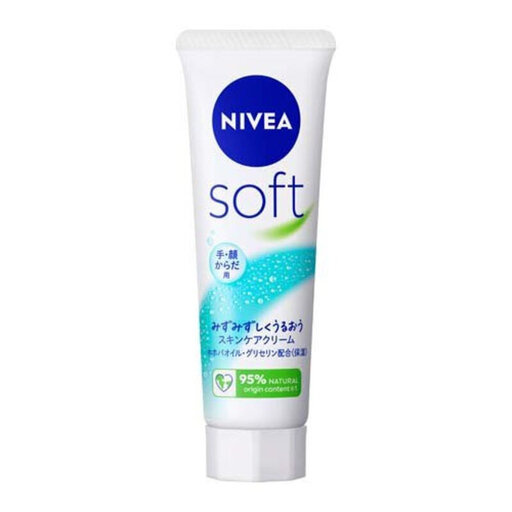
Why this product suits the profile: The 50-g cream is intended for the hands, face and body, offering a lightweight, water-based texture for straightforward everyday use.
The product description states that it has a non-sticky texture and, according to the product information, contains no artificial colourings, silicones or parabens.
Glycerin and jojoba oil; versatile use for the face, hands and body.
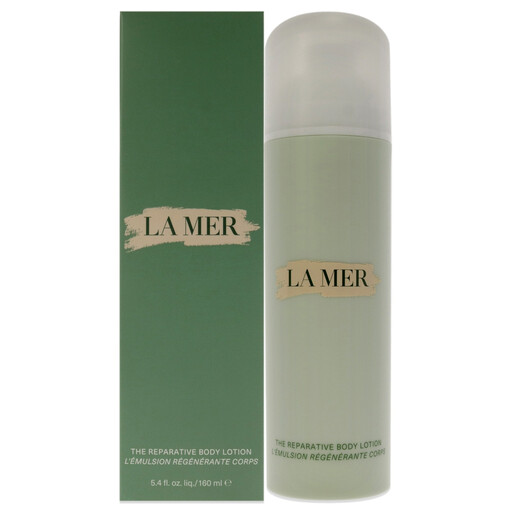
Why this product suits the profile: This lotion is aimed at buyers who prefer silky body care and a high-quality skincare routine after bathing or showering.
The product information expressly identifies parfum, eucalyptus oil and declared fragrance allergens. A patch test is therefore advisable for sensitive skin.
Glycerin, sesame oil, algae extracts and Sodium Hyaluronate; silky lotion texture.
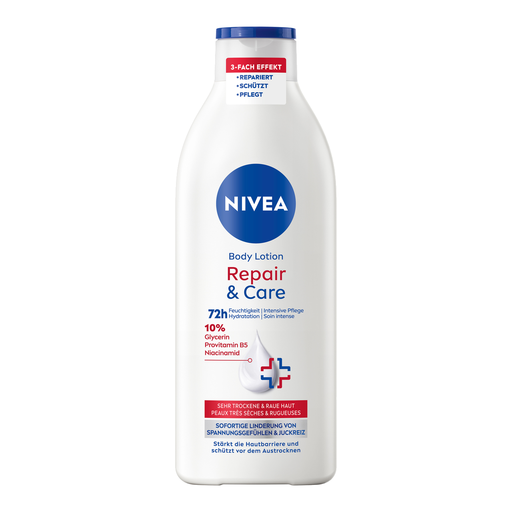
Why this product suits the profile: The large bottle is designed for regular full-body care, particularly when a richer body lotion is needed.
The formulation lists 10% glycerin, provitamin B5 and niacinamide. It also contains parfum and declared fragrances, which should be taken into account if you have sensitive skin.
400 ml content; glycerin, panthenol and Dimethicone as ingredients in this body care product.
We have put together a complete, regularly updated list of products that fully meet these strict selection criteria and the safety regulations applicable in the EU.
Ideally, apply body lotion after showering while the skin is still slightly damp. This makes it easier to spread evenly. For the face, a small amount is usually enough on cleansed skin. In a multi-step routine, apply a lightweight moisturising gel before a richer cream, provided the textures work well together.
A body lotion is not automatically suitable for the face. Products containing fragrances, alcohol, strong exfoliating ingredients or a rich lipid phase may be unsuitable for facial use. For particularly dry areas, you can apply a second, richer product specifically where needed instead of treating the entire body with a very heavy cream.
For dry skin, consider formulations containing glycerin, urea, panthenol or replenishing ingredients. A body lotion for dry skin should spread easily and provide the type of skincare feel you prefer. If your skin is severely irritated or you have ongoing skin problems, seeking advice from a dermatologist is recommended.
This depends on your skin type, the product and how your skin feels. Many body lotions are used once a day after showering, while face cream can be applied in the morning and evening. If your skin feels tight, an additional application may be helpful, provided your skin tolerates the product.
The expiry date and the open-jar symbol showing the period of use after opening on the packaging are the key indicators. If the smell, colour or consistency changes, stop using the product. Close the pot or tube after every use and protect it from heat and direct sunlight.