
Lieferung heute & morgen

Qualitätsgarantie

Willkommens-Angebote freischalten: KOSTENLOSE Lieferung | Bis zu 80 % RABATT | Kostenlose 30-Tage-JoyPlus-Testphase
App herunterladen
A moisturiser should care for dry or tight-feeling skin without feeling unpleasantly sticky or causing unnecessary irritation. The choice ranges from lightweight face cream and rich moisturising cream to face and body cream for the whole family. However, this variety is precisely what can make choosing the right product challenging.
Three common pitfalls occur particularly often:
For dry skin, humectants such as glycerin, betaine, panthenol or hyaluronic acid are often useful. They help bind water in the uppermost layer of the skin. Lipids and emollient ingredients such as shea butter, squalane, jojoba oil or mineral oil can also help reduce feelings of dryness and tightness.
If you are looking for a moisturiser for dry skin, do not focus solely on the brand name. Instead, check the combination of hydrating ingredients and nourishing lipids. A cream for sensitive skin should ideally have a straightforward formula. If you are sensitive to fragrance, look for terms such as “Parfum”, “Limonene”, “Linalool” or “Citral” in the INCI list.
The product format should fit your daily routine:
The packaging also plays a role. A tube is hygienic and space-saving to carry around. A large jar may be more economical for frequent users, but you should avoid taking the product out with unwashed hands.
“Dermatologically tested”, “vegan” or “95% ingredients of natural origin” are specific product claims, but they are not a guarantee of individual tolerance. If you have sensitive skin, a patch test on a small area of skin is advisable. If redness, itching or burning occurs, stop using the product.
For children, the cream should be explicitly suitable for children. Products should not be applied to damaged, inflamed or unusual-looking skin. Cosmetic moisturisers are not a substitute for dermatological treatment. If symptoms persist, seek medical advice.
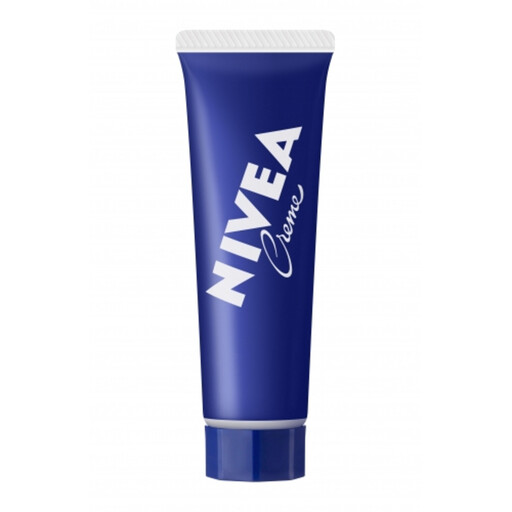
Why this product suits this profile: The 50g tube is intended for the face, neck, hands and dry areas of the body, and is easy to take with you. Its rich texture is aimed at people looking for a straightforward face and body cream.
The intended use and texture are clearly stated. Squalane, jojoba oil and glycerin are listed in the INCI list, while the product description also points out that it contains fragrance.
Suitable for the face and body; compact tube; rich formula with glycerin, squalane and jojoba oil.
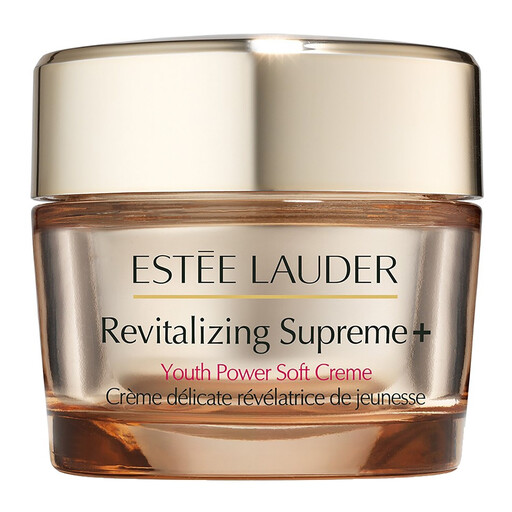
Why this product suits this profile: The lightweight soft cream is intended for the face and neck, morning and evening. It is aimed at people who prefer an anti-ageing cream with a fine texture and several plant extracts.
The product description specifies how to use it, its texture and selected ingredients. As it contains fragrance, people who are sensitive to fragrance should check the INCI list before buying.
Lightweight texture; 50ml contents; with glycerin, dimethicone, shea butter, sodium hyaluronate and plant extracts.
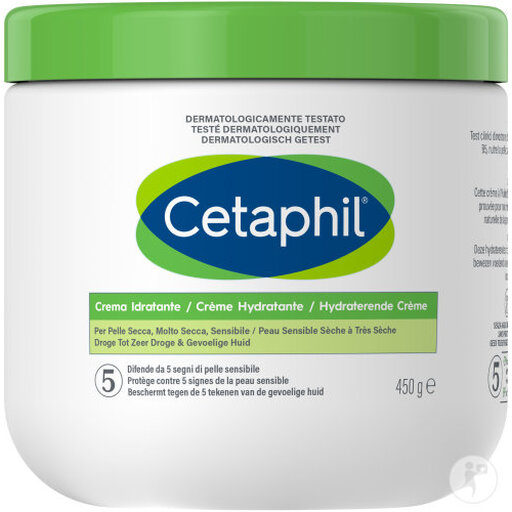
Why this product suits this profile: The large 450g size is suitable for regular use on dry areas of the body and for households that need a rich moisturising cream. The description identifies dry and sensitive skin as the target group.
The product details explicitly state that the formula is fragrance-free and non-comedogenic. This removes two common uncertainties when choosing a product, but does not replace an individual tolerance test.
450 g contents; fragrance-free; with glycerin, panthenol, niacinamide, petrolatum and almond oil; described as suitable for dry and sensitive skin.
We have put together a complete, regularly updated list of products that fully meet these strict selection criteria and the safety regulations applicable in the EU.
A moisturiser is usually applied after cleansing, while the skin is still dry or slightly damp. For the face, a small amount is often enough; when caring for the body, apply the cream particularly to the elbows, knees, hands and shins. A lightweight day cream is easier to combine with sun protection and make-up in the morning. Rich formulas are better suited to an evening routine or particularly dry areas.
Shelf life is determined by the printed best-before date or the jar symbol indicating the period of use after opening. The lid and packaging should be kept clean. Direct sunlight, high temperatures and moisture can affect product quality.
A nourishing skin cream containing humectants and emollient ingredients may be suitable. Look for glycerin, panthenol, squalane, shea butter or plant oils. The best choice also depends on whether the cream is intended for the face, hands or the whole body.
A short, easy-to-read INCI list and a formula designed to minimise irritation can make choosing easier. Fragrances are not inherently problematic, but they may be relevant if you have sensitive skin. Test a new product on a small area of skin first and do not use it on damaged or inflamed skin.
The information on the packaging is the key reference. For example, the jar symbol may show “12M”, meaning twelve months after opening. If the smell, colour or consistency changes noticeably, the product should no longer be used, regardless of the date.