
Lieferung heute & morgen

Qualitätsgarantie

Willkommens-Angebote freischalten: KOSTENLOSE Lieferung | Bis zu 80 % RABATT | Kostenlose 30-Tage-JoyPlus-Testphase
App herunterladen
Dry skin on your legs, a tight feeling after washing or a shiny complexion despite a lack of moisture: the right moisturiser for face and body should not be chosen based solely on fragrance, packaging or marketing claims. Your skin type, area of application, ingredients and texture are what really matter.
Many unsuitable purchases result from three common pitfalls:
For dry or very dry skin, formulations containing glycerin, urea, ceramides, panthenol, shea butter or Sodium Hyaluronate are often worth considering. A urea body lotion may be suitable for rough areas of the body; however, urea should be used with caution and in accordance with the manufacturer’s instructions on irritated or damaged skin.
Lighter textures are often a good fit for facial skin prone to shine or blemishes. A moisturising emulsion or niacinamide emulsion may feel more comfortable than a rich face cream. When choosing skincare for sensitive skin, it is worth checking for fragrance, alcohol and fragrance allergens that must be declared.
A body lotion, body lotion for dry skin or body milk can generally be richer, as the skin on the body is less likely to become shiny quickly. For the face, lightweight emulsions, creams with a non-greasy finish or a mattifying moisturiser for combination skin are often more practical.
Everyday usability is also important: does the lotion absorb quickly? Does it leave a film on clothing? Is the packaging large enough for daily use? With facial skincare, remember to consider application to the neck as well.
A day cream with SPF 30 sun protection can simplify your morning routine. However, the sun protection factor only applies when a sufficient amount is applied, and it does not automatically replace a separate sunscreen for spending longer periods outdoors. Products containing retinoids should be used in the evening as directed; suitable sun protection is particularly important during the day.
Claims about changing the appearance of pigmentation should always be understood as the manufacturer’s claims. According to the product description, Eucerin Anti-Pigment Day Cream contains Thiamidol and SPF 30. Suitability depends on the individual condition of your skin. The current ingredients list on the packaging is authoritative.
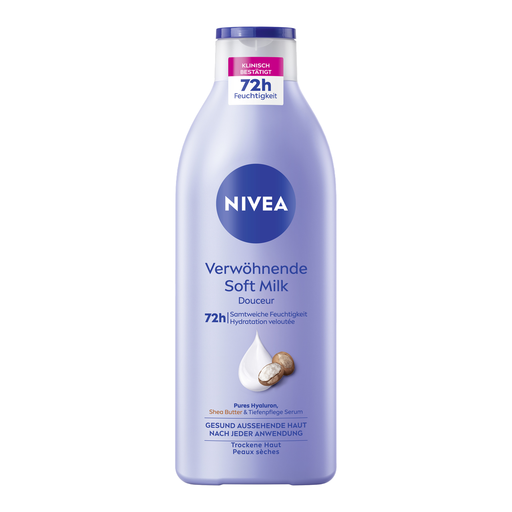
Why this product suits this profile: The large 400ml bottle is designed for regular body care after showering. According to the product description, the body milk contains hyaluronic acid, shea butter and a Deep Moisture Serum.
The clearly stated body-care application prevents a face cream from being used on large areas of skin. The description states that it has a non-greasy, fast-absorbing texture.
400ml contents; dermatologically tested for skin compatibility, according to the product description.
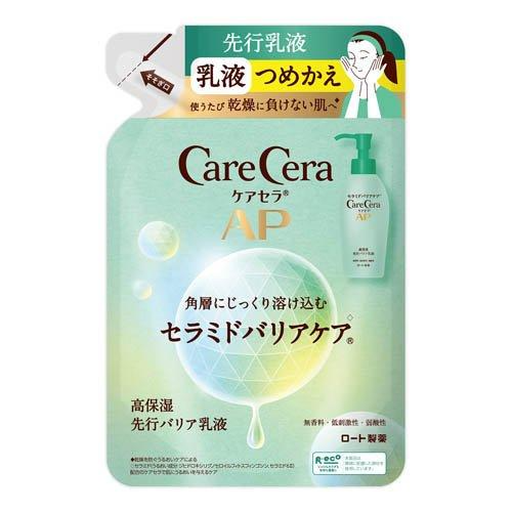
Why this product suits this profile: According to the product description, the fragrance-free lotion is intended for dry, normal and sensitive skin and contains several types of ceramides.
The “fragrance-free” label makes it easier to choose this product if you want to avoid fragrances. The packaging is listed as a 130ml refill pack.
Eight natural types of ceramides according to the product description; mildly acidic formulation.
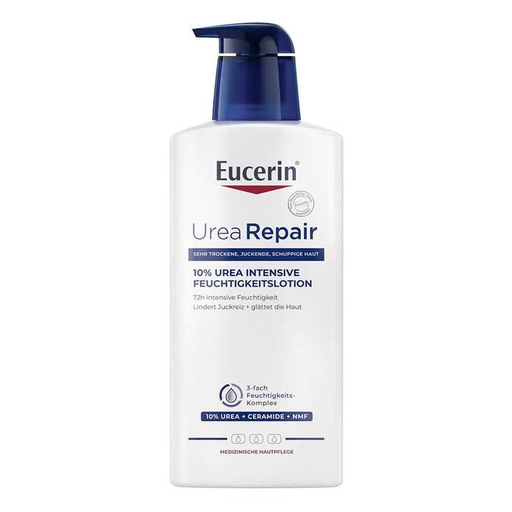
Why this product suits this profile: According to the product description, this body lotion is formulated for very dry, rough and tight-feeling skin. It contains 10% urea, ceramides and natural moisturising factors.
The stated urea concentration makes the formulation easier to assess than a lotion with an unclear active-ingredient concentration. Discontinue use if irritation occurs.
400ml contents; rich body lotion that absorbs quickly, according to the product description.
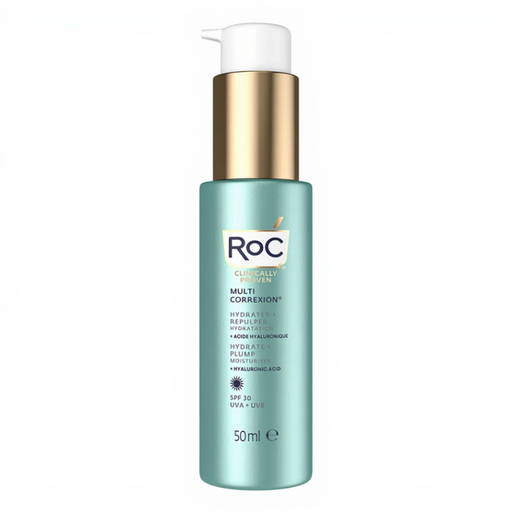
Why this product suits this profile: This face cream combines moisturisation with SPF 30. According to the product description, it contains niacinamide, Sodium Hyaluronate and panthenol.
The sun protection factor is clearly stated, and the product is described for use on the face and neck. According to the product description, it should be reapplied after sweating or swimming.
SPF 30; lightweight texture that is suitable for use under make-up, according to the product description.
We have put together a complete, regularly updated list of products that fully meet these strict selection criteria and the safety regulations applicable in the EU.
Ideally, apply body lotion to lightly towel-dried skin after showering. This helps it spread evenly. Facial skincare is usually applied after cleansing; when using several products, the general rule is to apply them from lightest to richest texture.
Pay attention to the best-before date, batch number and period-after-opening symbol on the packaging. Store cosmetic products in a cool, dry place away from direct sunlight. If the smell, colour or consistency changes, discontinue use.
If you have sensitive skin, a patch test on a small area of skin is recommended. Products containing fragrance, retinoids or highly concentrated acids should be introduced into your routine particularly carefully. If redness, swelling, itching or open areas of skin persist, consult a dermatologist.
This is generally possible, provided the manufacturer specifies both areas of application and the texture suits your skin. However, body lotions may be too rich for the face. Lightweight, non-greasy formulations are often more practical for skin prone to blemishes.
Shelf life is determined by the printed date and the recommended period after opening. How long a product actually lasts depends on the amount used, frequency of application and area of the body. A 400ml body milk will be used up more quickly with daily full-body application than when applied only to specific areas.
Look for clearly identified humectants and barrier-supporting ingredients such as urea, glycerin, ceramides or panthenol. Fragrance-free products can make choosing skincare easier if you have sensitive skin. Nevertheless, check the full ingredients list and discontinue use if you experience a reaction.