
Lieferung heute & morgen

Qualitätsgarantie

Willkommens-Angebote freischalten: KOSTENLOSE Lieferung | Bis zu 80 % RABATT | Kostenlose 30-Tage-JoyPlus-Testphase
App herunterladen
Dry or sensitive skin does not always respond best to the most expensive or heavily advertised product. Poor purchases often happen because a product may promise “intensive moisture” but fail to suit your individual skin concerns, preferred texture or tolerance of certain ingredients. Reviewing the formulation and intended use objectively can help narrow down your options.
A thick cream is not automatically suitable for dry skin. Some formulations feel smooth at first but leave behind a film that can feel uncomfortable in everyday use. For the face, a lightweight lotion or serum may be more suitable, while very dry areas of the body may benefit from a richer body lotion.
Natural origins do not automatically mean that a formulation is suitable for every type of sensitive skin. Fragrance ingredients such as Limonene, Linalool or Citral, as well as essential oils, can be problematic if you have an individual intolerance. Checking the complete INCI list is therefore more important than general marketing claims such as “gentle” or “natural”.
Hyaluronic acid, ceramides, Panthenol and Centella asiatica are common ingredients in a moisturiser for sensitive skin. However, the complete formulation, pack size, intended use and your own tolerance remain decisive. After using serums and ampoules, you should apply a cream if your skin needs additional nourishment or protection.
For balanced skincare, three functional groups can be distinguished:
A ceramide cream or a formulation containing several ceramides may be worth considering if your skin tends to feel dry and develop rough patches. For very lightweight, dehydrated skin, however, a hyaluronic acid moisturiser followed by a cream may fit better into your routine.
Cosmetic products in the EU must be labelled in accordance with the EU Cosmetics Regulation (EC) No 1223/2009. Ingredients are listed on the packaging in INCI order. The further towards the beginning a substance appears, the higher its proportion in the formulation normally is; however, this does not indicate individual efficacy.
If you have sensitive skin, it is worth looking out for:
Ingredient lists can change. The labelling on the product packaging you receive is therefore always authoritative.
A face cream for dry skin should work well alongside cleanser, serum and sun protection. A body lotion for dry skin is generally applied more generously and should therefore be available in a suitable pack size. Applying it straight after washing or showering, while the skin is still slightly damp, can be practical if this is recommended by the manufacturer.
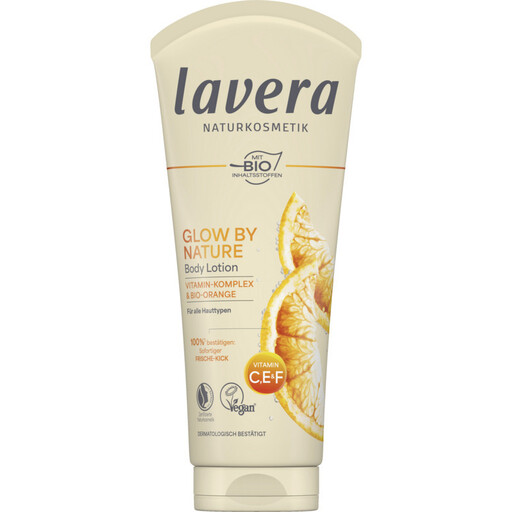
Why this product suits the profile: The body lotion is designed for daily body care, is described as fast-absorbing and contains, among other ingredients, Glycerin, Shea Butter and Aloe Vera Juice.
The product description specifies the intended area of use and a clear quantity of 200 ml. Fragrance ingredients and essential oils are listed in the INCI list and can be checked before purchase.
Vegan-certified natural cosmetics; Vitamins C, E and F, plus organic Shea Butter and organic Aloe Vera Juice, according to the product information.
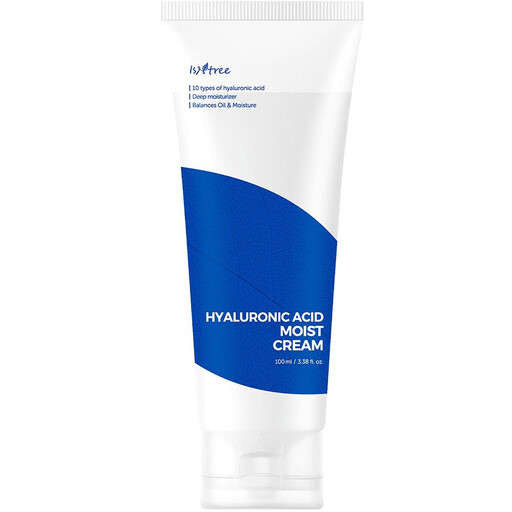
Why this product suits the profile: According to the product information, this Korean skincare product combines five forms of Hyaluronic Acid with Glycerin, Shea Butter, Panthenol and Ceramide NP.
The “vegan” label does not replace a tolerance check. The detailed INCI list allows you to check for any personal exclusions in advance.
100 ml contents, a fast-absorbing texture according to the description, plus Hyaluronic Acid, Ceramide NP and Beta-Glucan in the listed formulation.
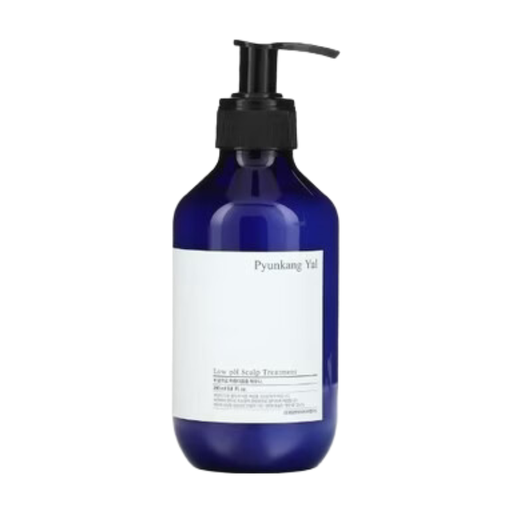
Why this product suits the profile: The large 500 ml pump bottle is designed for regular use on the face and body and can help simplify your skincare routine.
The product page lists five types of Ceramide as well as Sodium Hyaluronate. At the same time, you should check the complete INCI list and your personal tolerance of fragrance ingredients.
500 ml contents; Ceramide NP, NS, AS, EOP and AP, plus Glycerin in the stated formulation.
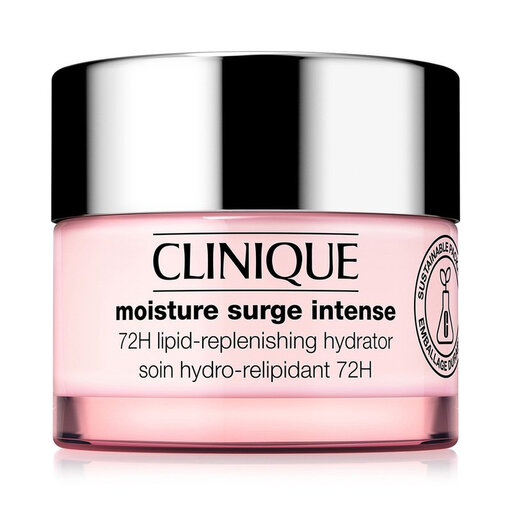
Why this product suits the profile: The product description specifies a fragrance-free, hypoallergenic formula with Cica and lipids for dry or dehydrated skin.
The “fragrance-free” labelling removes one common factor to check for sensitive skin. Even so, a patch test is advisable when trying new skincare.
Fragrance-free according to the product description; lipids and Cica are listed as ingredients in the formulation.
We have put together a complete, regularly updated list of products that fully meet these strict selection criteria and the safety regulations applicable in the EU.
A simple routine can consist of cleansing, an optional serum and a final cream. Start by applying new products sparingly to a small area of skin. If you experience burning, redness, swelling or persistent itching, stop using the product. Cosmetics are not intended to treat skin conditions. If symptoms recur or are severe, seek dermatological advice.
This depends on how your skin feels, the time of year and your tolerance. Glycerin, Hyaluronic Acid, Ceramides and Panthenol are common ingredients. If your skin feels tight, a cream with additional lipids may be beneficial; for mild dehydration, a lotion or serum followed by a cream may be more suitable.
Many products are intended for daily use in the morning and evening, or after showering. The manufacturer’s specific instructions are authoritative. A body lotion can be applied straight after drying off while the skin is still slightly damp, if this is recommended in the product description.
Follow the PAO symbol on the packaging, such as “12M” or “24M”, as well as the stated best-before or expiry date. Close jars and bottles after every use and store them somewhere dry and cool, away from direct sunlight.