
Lieferung heute & morgen

Qualitätsgarantie

Willkommens-Angebote freischalten: KOSTENLOSE Lieferung | Bis zu 80 % RABATT | Kostenlose 30-Tage-JoyPlus-Testphase
App herunterladen
Dry, sensitive or irritated skin does not automatically respond well to every rich cream. A moisturiser for dry and sensitive skin should provide hydration, help limit moisture loss and suit your individual tolerance. Marketing claims such as “Repair”, “Glow” or “24-hour hydration” are not the only things that matter. The complete INCI list, texture and intended use are much more important.
A very rich cream may feel comfortable on dry skin, but can leave a sticky feeling on combination skin. Conversely, a lightweight gel cream may not be enough for pronounced dryness. The key is the combination of humectants, emollient ingredients and a suitable consistency.
Even products making this claim may contain fragrances, essential oils, plant extracts or known allergens. If you react sensitively to certain ingredients, check the current packaging before buying. Formulations can change. A patch test on a small area of skin is particularly sensible when trying new Korean skincare.
Terms such as PDRN, hyaluronic acid, ceramides or niacinamide describe ingredients, but do not automatically prove a particular effect for everyone. A PDRN cream or hyaluronic acid cream may be worth considering, but should be chosen based on the complete formulation and your individual tolerance.
Several groups of active ingredients are relevant in a facial cream for dry skin:
The claim strengthen the skin barrier should therefore not be considered in isolation. Check which ingredients are actually present and where they appear in the INCI list.
With sensitive skin, a short and straightforward formulation can make choosing easier. Fragrances are not necessarily unsuitable, but may be a deal-breaker for people with a corresponding sensitivity. Products containing essential oils or several plant extracts should be tested cautiously.
A non-greasy moisturiser is often a better fit under make-up or for use in the morning. Rich formulations are more suitable for dry areas or evening skincare. Pack size also affects the cost per application: 40 to 60 ml is practical for the face, while 150 or 450 g may be more economical for frequent users, provided the packaging states that the product is also suitable for the face.
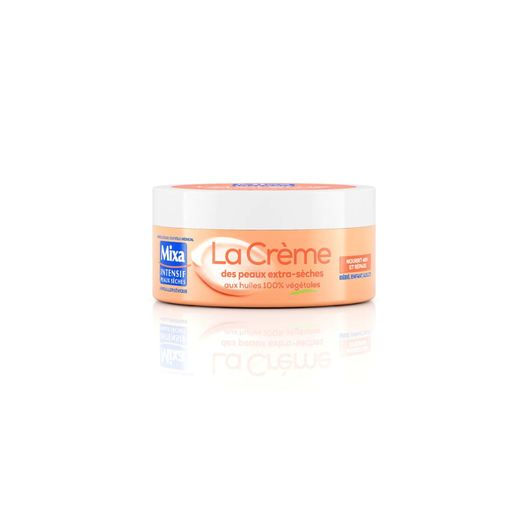
Why this product suits the profile: The 150 ml size is suitable for people looking for a versatile cream for the face, hands or body and who would like to start with a larger pack.
The INCI list includes glycerin, dimethicone, almond oil, apricot kernel oil and shea butter, among other ingredients. It also contains parfum, so people sensitive to fragrance should take this into account before buying.
150 ml content; according to the product details, suitable for the face, hands and body; allantoin is listed in the formulation.
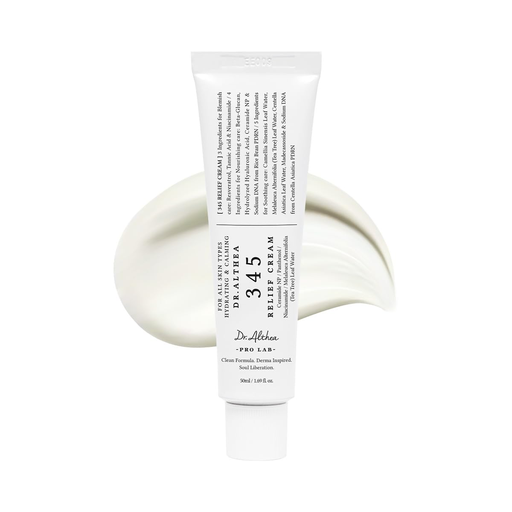
Why this product suits the profile: This gel cream is worth considering if you need hydration but prefer a lightweight texture that absorbs quickly.
The product description states that it has a non-greasy texture and contains no artificial fragrances or colourants, according to the retailer’s information. The current packaging remains the definitive source.
50 ml content; panthenol, sodium hyaluronate, beta-glucan and ceramide NP are listed in the stated formulation.
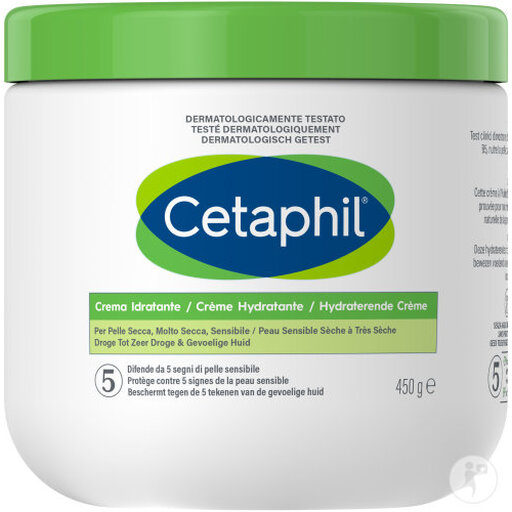
Why this product suits the profile: The large pack is suitable for households with regular skincare needs or for people who want to use a cream on larger areas of dry skin.
According to the product details, the formulation is fragrance-free and contains glycerin, petrolatum, dimethicone and panthenol. If you are sensitive to almond oil or benzyl alcohol, check the ingredients list.
450 g content; according to the product description, fragrance-free and non-comedogenic; marketed for dry and sensitive skin.
We have put together a complete, regularly updated list of products that fully meet these strict selection criteria and the safety regulations applicable in the EU.
If your skin is severely irritated, damaged or inflamed, a cosmetic cream should not be used as a substitute for dermatological assessment.
Look for humectants such as glycerin or panthenol, as well as skin-conditioning lipids. If you are sensitive to fragrance, fragrance-free products are an obvious choice. Your individual tolerance remains the deciding factor.
Many products are intended for use in the morning and evening. If your skin is very dry, applying a small additional amount to affected areas may be helpful, provided your skin tolerates the formulation well.
The period-after-opening symbol, the printed best-before date and the information on the packaging are the decisive factors. Remove the cream with clean hands and store it somewhere dry and cool, protected from direct sunlight.