
Lieferung heute & morgen

Qualitätsgarantie

Willkommens-Angebote freischalten: KOSTENLOSE Lieferung | Bis zu 80 % RABATT | Kostenlose 30-Tage-JoyPlus-Testphase
App herunterladen
Dry, sensitive skin doesn’t react the same way to every cream. A pleasantly rich feel can be misleading if the formula contains fragrances that leave the skin feeling tight again after a short time, or if the cream turns out to be too heavy for the face. When searching for a moisturiser for dry and sensitive skin, it’s worth taking a closer look at the ingredient list, the intended area of use and the texture.
A pleasant scent says nothing about the moisturising performance. In many body creams and luxury skincare products, “Parfum” as well as declarable fragrance ingredients such as Limonene, Linalool or Geraniol appear on the ingredient list. If you are prone to sensitive or irritated skin, you should opt for a fragrance-free skincare product or at least check whether fragrances are well tolerated.
The term barrier cream is not uniformly protected. What is more meaningful is the specific composition. Ceramides, cholesterol, glycerin, panthenol, squalane and hyaluronic acid can each perform different roles in skincare, depending on the product. What matters is not as many active ingredient names as possible on the packaging, but rather the tolerability and the right texture.
A rich moisturising cream can be useful on dry hands or elbows, but may look shiny or feel heavy on the face. Conversely, a light face cream may not be sufficient for very dry shins. Face, body and baby skin should therefore be considered separately.
For daily care, several groups of ingredients are relevant:
A panthenol cream may be of interest to people looking for a straightforward, moisturising and nourishing formula. However, panthenol is not an indication that every product is suitable for every irritated skin condition.
For sensitive skin, it is worth checking whether the formula is labelled as fragrance-free. Even natural essential oils can contain fragrance components. A product without perfume is not automatically suitable for everyone, but it does reduce a common potential source of irritation.
For the face, 30 to 50 ml is common for daily use; body creams are often offered in 150 to 200 ml sizes. A light gel cream is more suitable for combination skin or the morning routine. A rich moisturising cream or a balm is better suited to very dry areas and for evening application.
For children, particular attention should be paid to the age recommendation, freedom from fragrances and usage instructions. Do not apply products to open, injured or noticeably altered skin. Discontinue use if redness, itching or burning occurs, and seek medical advice if symptoms persist.
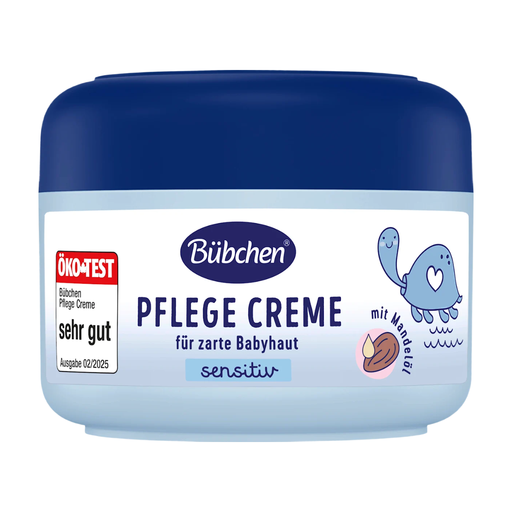
Why this product suits the profile: The 75 ml pot is suitable for daily care of face and body for babies and children. The product information states a fragrance-free formula with panthenol, almond oil, allantoin and shea butter.
The omission of perfume according to the product description helps to avoid a common source of fragrance. A patch test before widespread application remains advisable.
Fragrance-free formula according to product information; intended for face and body.

Why this product suits the profile: This Korean face cream contains, according to the INCI, several ceramides, cholesterol and seven forms of hyaluronic acid. The described silky texture is intended for daily facial care.
The selection is based on specifically listed ingredients rather than general barrier protection claims. The packaging should be checked for the current INCI list before purchase.
Ceramides and cholesterol in the ingredient list; 50 ml content for facial care.
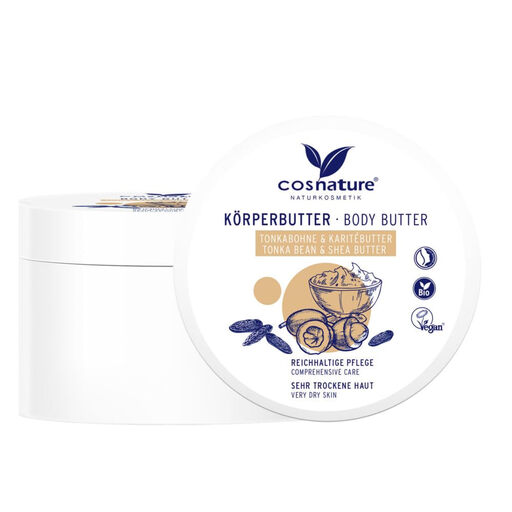
Why this product suits the profile: The 200 ml size is designed for regular body care. Shea butter, cocoa butter, almond oil and glycerin are listed prominently in the stated formula.
The product information explicitly states a body butter for very dry skin. At the same time, it contains perfume and declared fragrance ingredients, which must be taken into account for sensitive skin.
200 ml content; NATRUE and Vegan certification according to the product description.
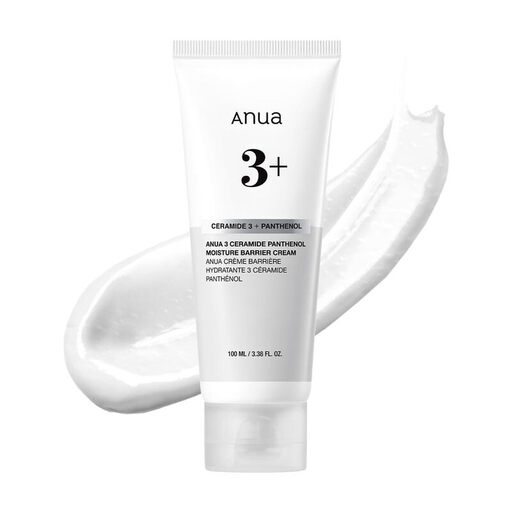
Why this product suits the profile: The formula combines panthenol, ceramides, centella and hyaluronic acid. According to the product information, the cream is intended for daily facial care as well as dry and sensitive skin.
The lighter texture is aimed at buyers looking for moisture without a heavily greasy finish. The current ingredient list should be cross-checked with the packaging.
100 ml content; panthenol and three types of ceramide according to the product description.
We have compiled a complete, regularly updated list of products that fully meet these strict selection criteria and the safety regulations in force in the EU.
Apply the cream to cleansed, slightly damp skin. This can help an intensive moisturising product to reduce a dry, tight feeling. With a new formula, it is advisable to first test a small area, especially if you have sensitive skin.
For the face, a small amount is usually sufficient. A body cream is spread over skin that is still slightly damp after showering or bathing. Very rich products can be used specifically on hands, knees, heels or elbows, rather than applying them to all skin areas.
Look for glycerin, panthenol, ceramides or hyaluronic acid, as well as a formula that is as simple as possible. If you are sensitive to fragrances, a fragrance-free product is an obvious choice. The right texture depends on whether your skin only feels tight or is also noticeably dry.
This depends on your skin’s feeling and the product instructions. Many creams can be used in the morning and evening. Application after washing, showering or bathing is particularly practical. For children, use should follow the age recommendation and the instructions on the packaging.
The jar symbol with the indication of shelf life after opening, as well as the printed best-before or expiry date, are decisive. Close the packaging after each use, store it in a dry place away from direct sunlight, and dispose of the product if the smell, appearance or feel changes.