
Lieferung heute & morgen

Qualitätsgarantie

Willkommens-Angebote freischalten: KOSTENLOSE Lieferung | Bis zu 80 % RABATT | Kostenlose 30-Tage-JoyPlus-Testphase
App herunterladen
Dry skin can feel rough or tight, or look visibly flaky. When looking for a suitable moisturiser for dry skin, however, many people choose products whose marketing claims promise more than the ingredients list appears to support. Taking a considered approach can help you avoid disappointing purchases and build a practical daily skincare routine.
Claims such as ‘24, 48 or 100 hours of hydration’ relate to how a particular product is marketed and aren’t automatically comparable across different formulas. What matters is which humectants, lipids and emollient ingredients the product contains, and whether the texture suits your skin.
Natural facial oils can contain valuable plant oils. However, essential oils, fragrance and certain plant extracts can still cause unwanted reactions in sensitive skin. It’s therefore worth checking the INCI list and carefully testing the product on a small area of skin first.
A rich balm may be a good choice for dry cheeks, while a lightweight face moisturising serum can feel more comfortable under your daytime moisturiser. For the eye area, choose a product specifically intended for use there. A body lotion for dry skin is generally formulated for more generous application and isn’t necessarily intended for the face.
For a well-rounded hyaluronic acid skincare routine, typical humectants include glycerin, sodium hyaluronate, trehalose and betaine. They bind water to the skin’s surface. Ingredients such as shea butter, jojoba oil, squalane and certain plant oils can also help replenish the skin’s oils.
If you want to strengthen your skin barrier, look for barrier-supporting ingredients such as ceramides, fatty acids and skin-conditioning lipids. The specific effect always depends on the overall formula, the concentration and how well your skin tolerates it.
If you have sensitive skin, check the product description for fragrance, essential oils, alcohol and any ingredients you know you don’t tolerate. ‘Dermatologically tested’ means the product has undergone testing, but it doesn’t guarantee it will suit everyone.
Before buying, check the pack size, shelf life, directions for use and any warnings. Products should be used externally only. Stop using the product if you experience redness, burning or irritation. Avoid the eye area unless the product is specifically intended for use there.
For anti-ageing skincare, claims such as ‘smooths the appearance of fine lines’ are cosmetic descriptions. They shouldn’t be treated as medical or therapeutic promises.
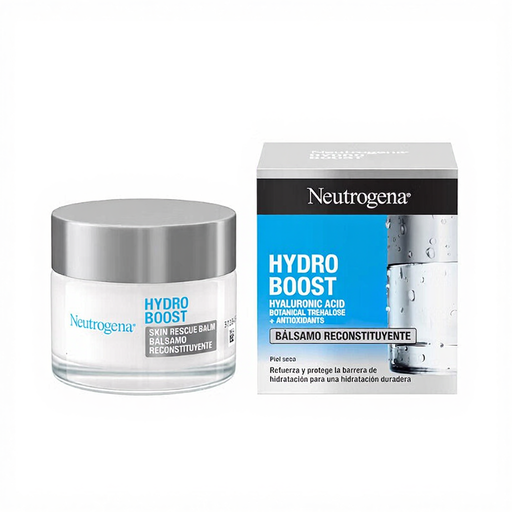
Why this product suits this profile: This balm combines a rich texture with glycerin, trehalose and sodium hyaluronate. It can be applied to the face and neck in the morning and evening, making it a straightforward option if you’re new to a targeted face cream routine for dry skin.
The ingredients list makes it easy to see which ingredients provide hydration and care. If you have sensitive skin, take note of the fragrance and sodium metabisulphite it contains.
50 ml size, balm texture, and glycerin, trehalose and sodium hyaluronate according to the product information.
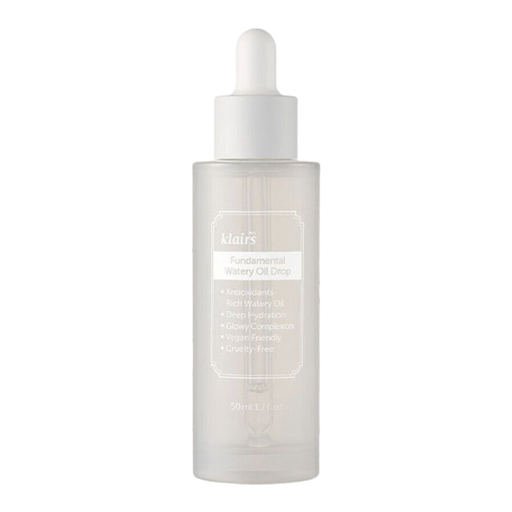
Why this product suits this profile: This lightweight oil-in-water emulsion combines a serum-like feel with selected humectants. Ceramide NP, glycerin, betaine and sodium hyaluronate may appeal if you’re looking for intensive hydration without the feel of a traditional heavy facial oil.
Its watery texture offers a considered alternative to very rich facial oils. According to the product information, the formula contains no added fragrance.
Lightweight emulsion with ceramide NP, glycerin and hyaluronate; designed to be used on its own or under a cream.
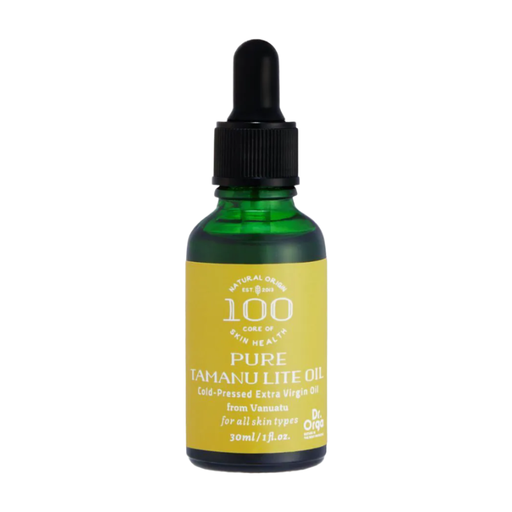
Why this product suits this profile: According to the supplier, the product is made from 100% tamanu oil and can be used on the face, body, hair and nails. It’s aimed at those who prefer a versatile natural oil.
The single-ingredient claim makes the formula easier to assess. As it has a rich, oily texture, start by using a small amount.
100% tamanu oil according to the product information; suitable for several areas of the body and as the final step in your routine.
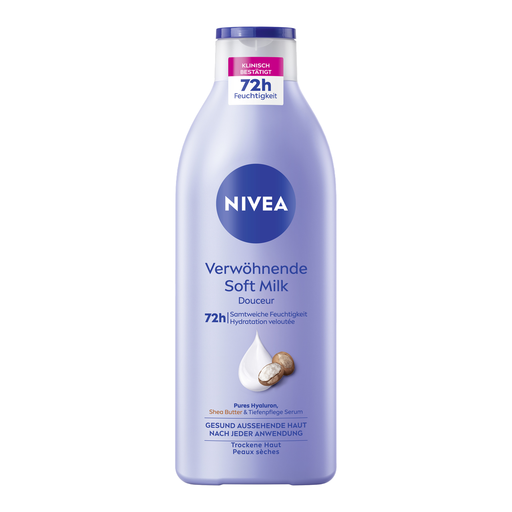
Why this product suits this profile: The 400 ml bottle is designed for regular use over larger areas of the body. According to the product description, the lotion contains hyaluron, shea butter and a Deep Moisture Serum.
Its clear focus on body care means you won’t need to use a small face cream over large areas of skin. If you have sensitive skin, take note of the fragrance.
400 ml size, body lotion texture, and hyaluron and shea butter according to the product information.
We’ve put together a complete, regularly updated list of products that meet these strict selection criteria and fully comply with the safety regulations in force in the EU.
A cream or balm containing humectants and emollient ingredients can be a good place to start. If you have sensitive skin, check for fragrance and any allergens you know you react to. If symptoms persist or you experience severe redness or signs of inflammation, seek medical advice.
They serve different purposes. A serum is usually lighter and complements your routine, while a cream is often the final layer of skincare. If you have dry skin, you can use both one after the other, as long as the textures feel comfortable and your skin doesn’t react.
Check the best-before date and the period-after-opening symbol on the packaging. Changes in smell, colour or consistency may indicate that the product is no longer suitable for use. Store products in a dry, clean place and follow the manufacturer’s instructions.