
Lieferung heute & morgen

Qualitätsgarantie

Willkommens-Angebote freischalten: KOSTENLOSE Lieferung | Bis zu 80 % RABATT | Kostenlose 30-Tage-JoyPlus-Testphase
App herunterladen
A moisturiser for face and body should provide reliable daily care without feeling sticky or irritating your skin further. However, the choice can be overwhelming: packaging is covered in terms like “soothing”, “regenerating” or “intensely hydrating”, which on their own tell you very little about whether a product is actually right for you.
What really matters is your skin type, the texture, the ingredients, the pack size and where you intend to use it. If you check these points before buying, you can avoid the most common mistakes.
Body creams are often richer and contain more film-forming ingredients. That can be helpful on dry areas of the body, but on the face it may feel heavy or look shiny. On the other hand, a light face cream may not be enough for very dry elbows, hands or legs.
So look for clear labelling such as “for face and body”, “for hands and body” or a specific recommendation for the face.
Even a cream for sensitive skin can trigger individual intolerances. Fragrance, essential oils, certain plant extracts or alcohol can be an issue for some people. A skin-type label is therefore a guide, not a guarantee.
If you have sensitive or reactive skin, it is a good idea to do a small patch test on an inconspicuous area. If redness, itching or burning persists, stop using the product and seek medical advice if necessary.
Names like “soothing skin cream”, “regenerating cream” or “intensive care” often describe a product’s positioning. What is far more informative is the full INCI list, the texture and the specific intended use.
Glycerin, panthenol, hyaluronic acid, squalane or plant oils can indicate moisturising or nourishing properties. However, how well your skin tolerates a product depends on the whole formulation.
For normal to slightly dry skin, gel creams or light emulsions often feel pleasant. A nourishing face cream with a richer texture may be better suited to the evening or the colder months. Very dry areas of the body often benefit from a cream containing glycerin, nourishing lipids or protective ingredients.
For combination or oily skin, light, fast-absorbing formulas are practical. A moisturiser for dry skin, on the other hand, should not just feel watery but also contain ingredients that hold moisture on the skin.
Check the ingredients list for anything you personally want to avoid. For sensitive skin, short, simple formulations can be easier to assess. Fragrances are not automatically a problem, but they can play an important role if you are sensitive to them.
In Korean cosmetics, you will often find ingredients like centella asiatica, ginseng, rice extract, panthenol or niacinamide. Even so, you should still read the full label. “Korean moisturiser” is a category of origin or product type, not a uniform quality standard.
A 100 ml moisturiser is usually a handy size for daily facial care and also works well for travel. For regular use all over the body, a larger pack can be more economical. What matters is whether the product is actually intended for the area you want to use it on.
Also pay attention to the usage instructions, the shelf life after opening and how to store it. Cosmetics should be kept away from direct sunlight and excessive heat, and the container should be closed carefully after each use.
The selection below groups products by texture, area of use and the information available on the product. It does not replace individual dermatological advice.
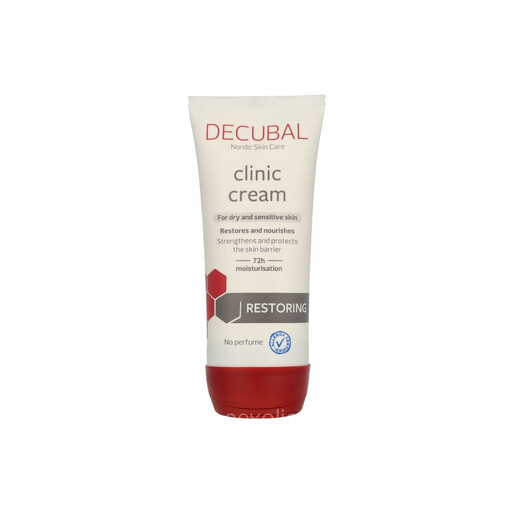
Why this product fits the profile: According to the product description, this cream is intended for face and body as well as for dry and sensitive skin. Its 100 g size makes it suitable for daily basic care.
The stated use for face and body reduces the risk of buying a cream intended for only one area.
Glycerin, lanolin and dimethicone are listed in the formulation; according to the product description, the cream absorbs without leaving a greasy residue.
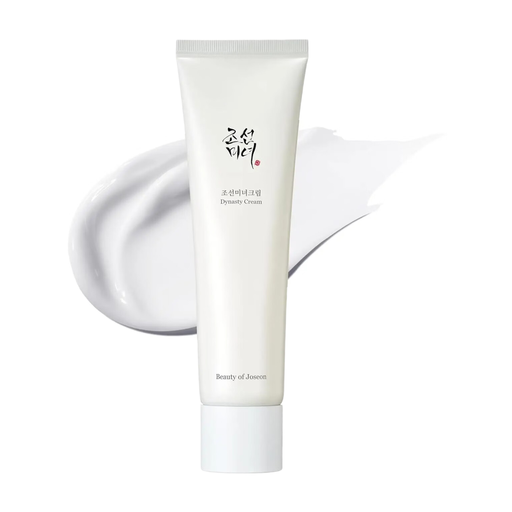
Why this product fits the profile: This richer face cream is aimed at users who prefer a creamy texture and a clearly stated 100 ml fill size.
The product information lists the relevant ingredients, including 2 % niacinamide and 2 % squalane, rather than using only general care terms.
The formulation contains glycerin, squalane, hyaluronic acid and ceramide NP; according to the product information, it is free from synthetic fragrance and essential oils.
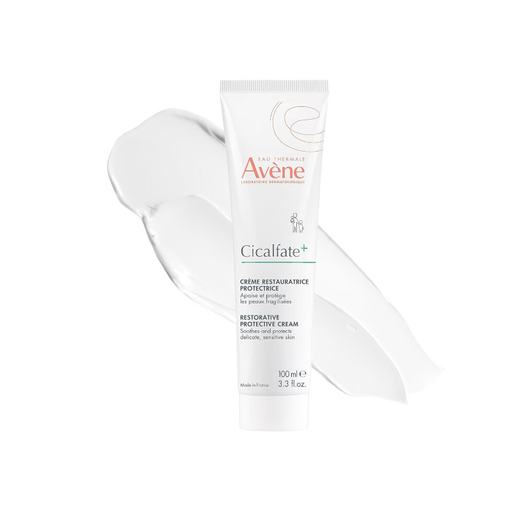
Why this product fits the profile: According to the product description, this richer cream is intended for targeted use on irritated areas of skin and for the whole family.
The 100 ml tube is clearly described as a cream for external use and targeted care; contact with eyes and mucous membranes should be avoided.
The stated formulation contains glycerin, zinc oxide and beeswax; the texture is described as creamy and protective.
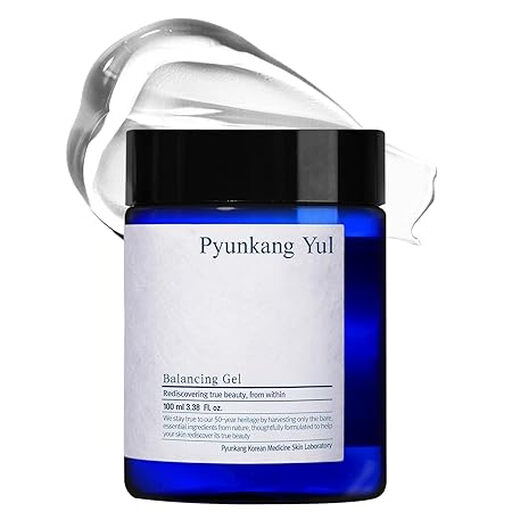
Why this product fits the profile: The gel texture and the formula, which according to the product description is reduced to seven ingredients, suit users looking for a light Korean moisturiser for the face.
The stated gel texture makes the difference from rich body creams clear and reduces the risk of using a product that is too heavy on the face.
Astragalus root extract and jojoba oil are listed as key ingredients; according to the product information, the formulation is free from fragrance.
We have put together a full, regularly updated list of products that fully meet these strict selection criteria and the safety regulations in force in the EU.
Apply a moisturiser to clean, slightly damp skin. Start with a small amount; you can adjust the application as needed. On the face, avoid the eye area unless the product is specifically intended for that.
For very dry skin, a richer cream may feel more comfortable in the evening, while a lighter texture during the day is easier to combine with sunscreen or make-up. A face cream does not replace sun protection.
Yes, if the manufacturer explicitly states both areas of use. However, facial skin can be more sensitive to fragrance, rich oils or heavily occlusive textures. So check your skin type, the INCI list and the usage instructions.
The printed best-before date and the open-jar symbol with the number of months are what matter. If the smell, colour or consistency changes, stop using the product. Clean hands and a well-sealed container help prevent contamination.
For dry skin, formulations with humectants and nourishing lipids are a good option. For sensitive skin, a short INCI list and as few individually problematic ingredients as possible make sense. If you have recurring or severe skin issues, you should discuss your choice with a dermatologist.