
Lieferung heute & morgen

Qualitätsgarantie

Willkommens-Angebote freischalten: KOSTENLOSE Lieferung | Bis zu 80 % RABATT | Kostenlose 30-Tage-JoyPlus-Testphase
App herunterladen
The right moisturiser is the cornerstone of any skincare routine. Yet, the market is flooded with products that promise universal effectiveness but often fail to deliver on their claims. The result: disappointing outcomes and wasted money. This guide will help you understand the crucial criteria to make an informed choice that perfectly matches your skin's needs.
As a Joybuy Product Recommendation Officer, I analyse product information daily to provide you with objective, practical advice. My goal is to help you separate marketing hype from genuine product performance.
Many consumers reach for products that are popular due to clever marketing but are not suitable for their skin type. Watch out for these three common pitfalls:
To make the right choice, you should focus on objective criteria rather than advertising promises. Here are two decisive parameters to check before you buy.
Every cream is an emulsion—a mixture of water and oil. The type of emulsion significantly determines its texture and effect:
A healthy skin barrier is crucial for well-hydrated and resilient skin. Instead of being swayed by a single trending ingredient, look for a combination of ingredients proven to help strengthen the skin barrier.
Here are some product recommendations tailored to different user profiles and their specific requirements.
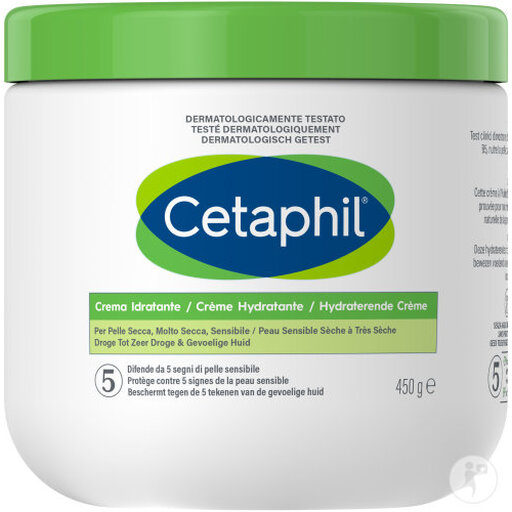
Why This Fits Their Persona: Ideal for users seeking a reliable, straightforward, and gentle base moisturiser. Developed with dermatological experts, the formula is designed for dry and sensitive skin and is free from fragrances.
This cream avoids the "miracle ingredient" trap by relying on a proven combination of Niacinamide (Vitamin B3), Panthenol (Pro-Vitamin B5), and Glycerin to support the skin barrier, rather than promoting a single ingredient.
The formula is non-comedogenic and fragrance-free, minimising the risk of irritation. The large container offers excellent value for money for daily use.
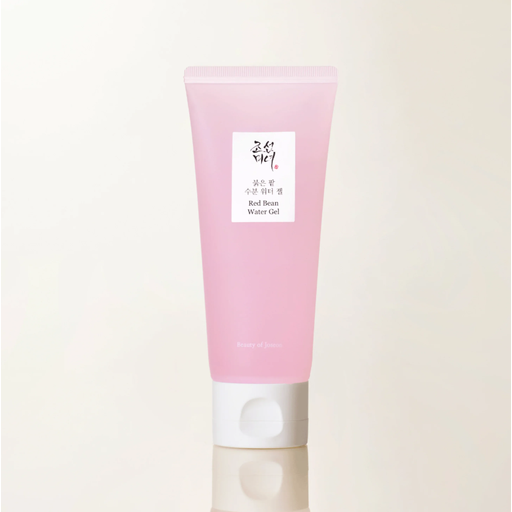
Why This Fits Their Persona: Perfect for users with combination or oily skin who are looking for intense hydration without a heavy feel. This K-Beauty moisturiser is a prime example of innovative Korean textures.
This cream delivers on the promise of a "lightweight texture." The gel-cream formulation, based on red bean extract, is specifically designed to absorb quickly and help manage sebum, rather than just being a vague marketing claim.
The formula contains peptides and a variety of plant extracts that nourish the skin. Its lightweight texture provides moisture without leaving a greasy film, making it ideal for use under makeup.
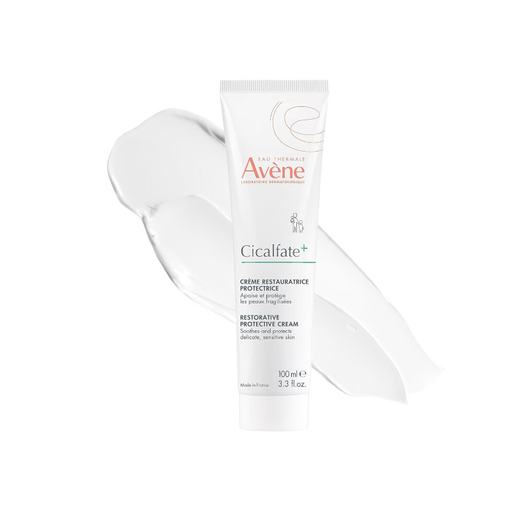
Why This Fits Their Persona: This cream is designed for individuals with irritated, stressed, or very sensitive skin. Its focus is clearly on regenerating and protecting the skin barrier, making it an excellent choice for targeted care.
It avoids the "for all skin types" trap by positioning itself as a specialised treatment for skin irritation. Its purpose is clearly defined: to support epidermal regeneration, rather than being a general-purpose moisturiser.
The formula contains [C+-Restore], a post-biotic active ingredient derived from Avène Thermal Spring Water that supports skin repair. The combination with zinc and copper sulfate helps to maintain a healthy skin environment.
Choosing the right moisturiser is a highly personal decision. If the options featured here don't perfectly match your needs, you can explore our full category to find more products, filterable by skin type and specific concerns.
1. How often should I apply a moisturiser? In general, it is recommended to apply a moisturiser twice daily to cleansed skin: in the morning as a base for the day and for protection against environmental factors, and in the evening to support the skin's overnight regeneration process. The morning day cream should ideally be combined with or followed by a sunscreen product.
2. What is the difference between a day cream and a night cream? Day creams often have a lighter texture (usually O/W emulsions), absorb quickly, and sometimes contain a Sun Protection Factor (SPF). Their main purpose is to hydrate the skin and protect it from external influences. Night creams are typically richer (often W/O emulsions) and contain more concentrated active ingredients that support skin regeneration overnight. They do not contain SPF.
3. Can a moisturiser really strengthen the skin barrier? Yes, a well-formulated moisturiser can significantly help to strengthen the skin barrier. Products containing skin-identical lipids like Ceramides, moisture-binding substances like Hyaluronic Acid, and soothing ingredients like Niacinamide or Panthenol help the skin maintain its protective function. An intact barrier can retain moisture more effectively and is more resilient against irritants.