
Lieferung heute & morgen

Qualitätsgarantie

Willkommens-Angebote freischalten: KOSTENLOSE Lieferung | Bis zu 80 % RABATT | Kostenlose 30-Tage-JoyPlus-Testphase
App herunterladen
Sensitive skin doesn’t always react straight away to a new skincare product. Redness, tightness or rough patches may only appear after several uses. So when buying a moisturiser for sensitive skin, don’t just look for claims such as ‘intensively nourishing’ or ‘barrier protection’. Check the ingredients, intended use and instructions on the packaging too.
As a Joybuy Product Recommendation Officer, I’ll set out the key things to consider and show you which products may suit different skin types and needs.
The word ‘gentle’ is not a regulated quality standard. A cream may be designed for dry skin and still contain fragrance. If your skin is sensitive or prone to irritation, a fragrance-free moisturiser is often a more reliable place to start.
The full INCI list matters more than the front of the packaging. Claims such as ‘natural’, ‘soothing’ or ‘clean’ are no substitute for checking the ingredients.
A lightweight face cream can hydrate your skin, but may offer limited protection against friction, moisture or external factors. A nappy rash cream containing zinc oxide, for example, is designed for the nappy area and irritated patches of skin, not as an everyday moisturiser for your whole face.
Conversely, a rich barrier cream may feel too heavy on oily skin. The right choice depends on your skin type, the area you’re applying it to and the feel you want.
Children’s skin and adult skin have different skincare needs. For products intended for babies and toddlers, check the age guidance, directions and warnings carefully. A baby cream is not automatically suitable for broken, weeping or inflamed skin.
If redness, swelling, itching or other noticeable reactions persist, stop using the product and seek medical advice if necessary.
For dry skin, humectants such as glycerin, hyaluronic acid and certain amino acids are useful ingredients to look for. Ceramides and skin-identical lipids are often used in a ceramide cream designed to support the skin barrier. However, simply seeing them listed doesn’t guarantee that a product will suit your skin.
Panthenol, squalane, shea butter and plant oils may also help care for your skin, depending on the formula. Check that the texture suits you: many people with combination skin prefer lightweight gel-creams, while dry skin often benefits from a richer intensive moisturiser.
If you have sensitive skin, a short, easy-to-follow INCI list can make choosing a product easier. In particular, look out for:
The packaging shows the current ingredients list. Information in online shops may differ if the formula has changed.
A face and body cream is handy if you want to keep your skincare routine simple. However, a product made specifically for the nappy area, hands or very dry patches may be more suitable for those needs. A tube can be dispensed hygienically; if you use a jar, close it carefully after every use.
Check the best-before date and the period-after-opening symbol. Don’t continue using the product if its smell, colour or texture changes.
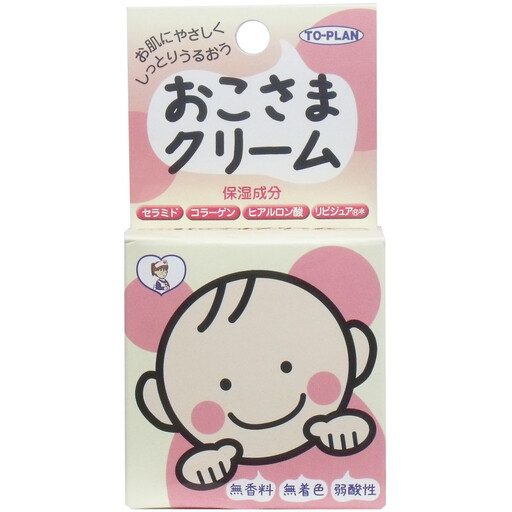
Why this product suits this profile: Its compact size makes it a handy option to try, take on trips or share with the family. According to the product description, the cream is for face and body and is free from fragrance and colourants.
The fragrance-free and colourant-free labelling makes it easier to choose if you’re sensitive to fragrance. The INCI list includes ingredients such as glycerin, ceramides, sodium hyaluronate and amino acids.
30 g tube, mildly acidic formula according to the product information, and suitable for use on the face and body.
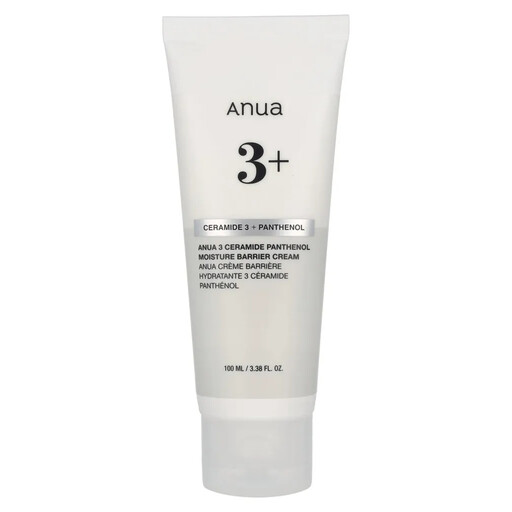
Why this product suits this profile: This Korean skincare cream combines panthenol, several types of ceramide and hyaluronic acid. It’s designed for dry, sensitive or normal skin on the face.
The product description highlights a lightweight, non-sticky texture and recommends using it as the final step in your facial skincare routine. This makes it easier to match the formula to its intended use.
100 ml, with panthenol, ceramides NP/AP/EOP, squalane and hyaluronic acid according to the listed INCI ingredients.
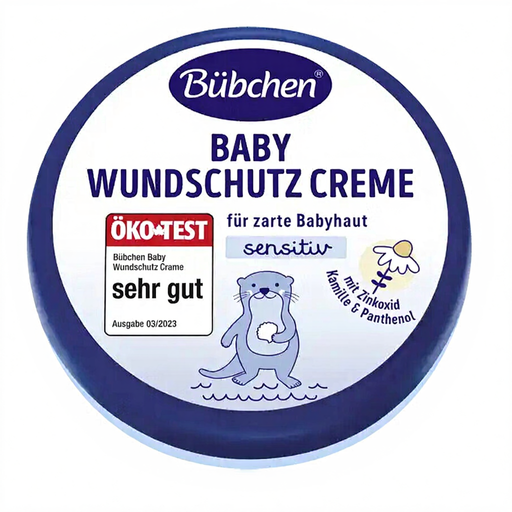
Why this product suits this profile: The 150 ml size is designed for regular use in the nappy area. According to the product description, the cream contains zinc oxide, panthenol and chamomile.
Its stated purpose helps distinguish a specialist protective cream from a general face cream. Do not apply it to deep or infected wounds.
A generous size, a protective film according to the product description, and a formula without silicones, colourants or microplastics according to the supplier.
We’ve put together a comprehensive, regularly updated list of products that meet these strict selection criteria and fully comply with the safety regulations in force in the EU.
Start by applying a small amount of a new moisturiser for sensitive skin to a small, discreet area. Monitor your skin for an appropriate period before applying the product more widely. Facial skincare is usually applied after cleansing. If your skin is dry, a slightly richer layer in the evening may be helpful.
Children should have products applied by an adult. Products containing fragrance, including some children’s creams, are not automatically unsuitable, but may be less suitable if you’re sensitive to fragrance. A face and body cream should not be treated as the same thing as a nappy rash cream.
Look for glycerin, hyaluronic acid, ceramides, panthenol or nourishing lipids. A ceramide cream or barrier cream may be suitable if you like the texture and it doesn’t contain any ingredients you know irritate your skin. The only way to assess how well you tolerate it is to try it carefully.
It depends on the formula and directions for use. A fragrance-free children’s cream for face and body may be suitable for adults. A nappy rash cream containing zinc oxide, on the other hand, is intended for specific areas and may feel heavy or leave a visible layer on your face.
Follow the period-after-opening symbol, the best-before date and the information on the packaging. Close tubes and jars after use. Don’t continue using the cream if its colour, texture or smell changes.