
Lieferung heute & morgen

Qualitätsgarantie

Willkommens-Angebote freischalten: KOSTENLOSE Lieferung | Bis zu 80 % RABATT | Kostenlose 30-Tage-JoyPlus-Testphase
App herunterladen
A moisturiser for sensitive skin should care for dry, tight or reddened skin without causing unnecessary irritation. However, choosing the right one isn’t just about texture or brand image. What really matters is the area of skin you’re treating, the ingredients, the information on the packaging, and how you plan to use it.
The term “sensitive” doesn’t describe a fixed skin type. Some people react mainly to fragrances, others to alcohol, essential oils, certain plant extracts or rich textures. A face cream for sensitive skin should therefore be judged by the full INCI list, not just by what it says on the front of the pack.
Shea butter, oils, waxes and rich lipids can feel lovely on dry skin. But if you have combination or blemish-prone skin, a heavy cream can feel uncomfortable. A light gel-cream or a formula labelled as a non-comedogenic cream may fit better into your daily routine. That said, “non-comedogenic” isn’t a guarantee it will suit your individual skin.
Words like “soothing”, “barrier protection” or “against redness” often describe a product’s intended purpose, but they aren’t a promise for every skin type. If your skin is irritated, damaged or severely inflamed, cosmetic care should not be mistaken for medical treatment. Before applying it over a large area, it’s wise to test it on a small patch of skin.
For the face, light lotions, gel-creams or creams with controlled dispensing usually work best. A body cream for dry skin can be richer, as it’s often used on arms, legs, hands or particularly dry patches. The lips and eye area have different requirements to the cheeks or the rest of the body.
Also think about the texture you prefer:
Glycerin, hyaluronic acid and panthenol are commonly used to provide moisture. Ceramides, cholesterol and certain lipids can be part of a formula that supports the skin barrier in daily life. If you’re hoping to repair the skin barrier, it’s important to be realistic: a cream can nourish the skin and reduce moisture loss, but if problems persist, it’s no substitute for a dermatologist’s advice.
For sensitive skin, it’s worth checking:
Compare the millilitre or gram size, the dosage and the area of use. A small specialist face cream can cost more per application than a larger body cream. Also check the expiry date, batch number and the current ingredients list on the packaging. Product information can change.
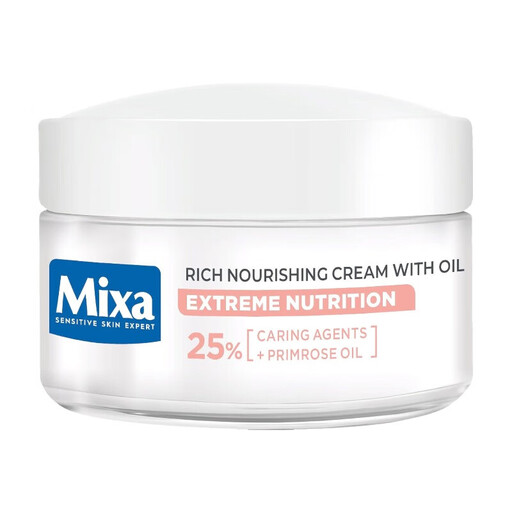
Why this product fits the profile: This 50 ml body care product is designed for daily use on dry, sensitive skin and contains, among other things, glycerin, shea butter and evening primrose oil.
The product details clearly state it’s for the body, so there’s no confusion with a face-only cream. Fragrance and citrus oil are listed in the ingredients, so you can check them before buying.
Rich body texture, 50 ml content and a straightforward selection of nourishing oils and humectants.
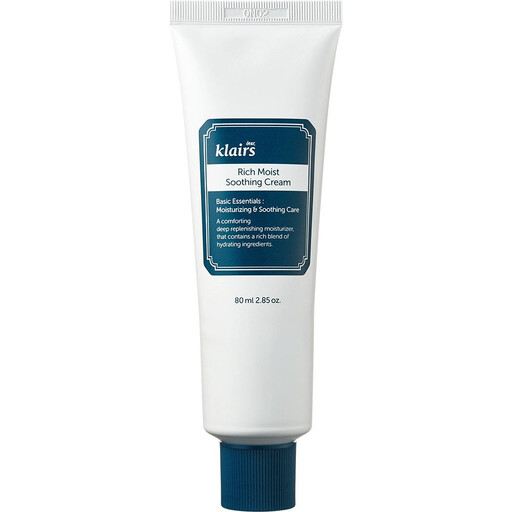
Why this product fits the profile: This Korean skincare product is designed as a rich face cream with 80 g and can be used in the morning or evening.
The full INCI list is provided and includes, among other things, glycerin, aloe vera extract, centella asiatica, ceramide NP and sodium hyaluronate. Lavender oil is also included.
Rich texture, 80 g content and several moisture-binding and barrier-supporting skincare components.
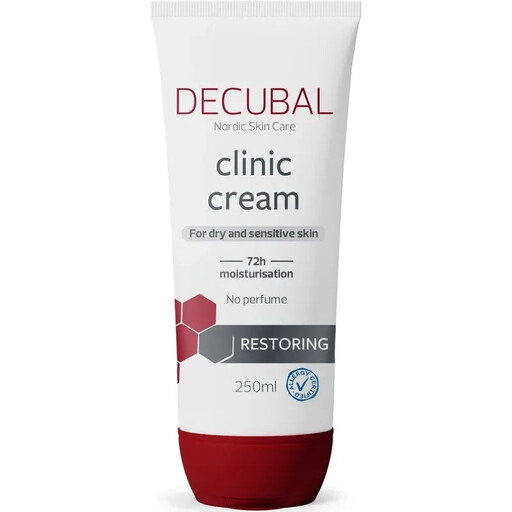
Why this product fits the profile: The large 250 g pack is intended for regular use on dry areas of the body. According to the product description, it is free from fragrance and colourants.
It’s clearly labelled as a rich care product for dry and sensitive skin, which reduces the risk of mistaking a light face cream for something suitable for large body areas.
250 g content, fragrance-free and colourant-free product claim, plus glycerin, lanolin and dimethicone in the INCI list.
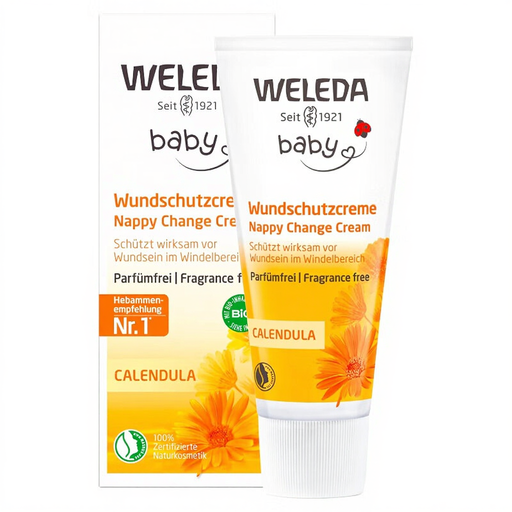
Why this product fits the profile: This cream is designed for sensitive baby skin in the nappy area and, according to the product details, contains zinc oxide, almond oil and calendula extract, among other things.
The specific area of use prevents confusion with a general face or body care product. Suitability for babies should be checked on the packaging.
75 ml content, fragrance-free product name and a protective formula with zinc oxide and beeswax.
We’ve put together a full, regularly updated list of products that meet these strict selection criteria and the safety regulations in force in the EU.
Apply a soothing face cream to clean, slightly dry skin. A small amount is usually enough; with a very rich cream, too much product can leave a film. Always test a new product on a small area first. If you have sensitive skin, don’t introduce several new active ingredients at once, so you can more easily identify any reaction.
A cream for dry skin is best applied regularly after washing. For body care, applying it straight after a shower can be particularly effective. A cream for redness should not be used on open, weeping or severely irritated areas, unless the packaging specifically says it’s suitable.
A cream with glycerin, hyaluronic acid, panthenol or ceramides can work well for daily moisture care. Texture, fragrance content and individual tolerance are also key factors. For very dry skin, a richer formula may be more suitable than a light gel-cream.
It depends on how your skin feels and on the product itself. Many creams are used once or twice a day. Applying skincare after washing or showering can be especially convenient. Always follow the usage instructions on the packaging.
Not every baby cream is intended for the face. Protective creams with zinc oxide, waxes or lanolin can leave a much heavier film. So check the stated area of use and the INCI list. If redness, stinging or itching persists, stop using it and, if necessary, seek medical advice.