
Lieferung heute & morgen

Qualitätsgarantie

Willkommens-Angebote freischalten: KOSTENLOSE Lieferung | Bis zu 80 % RABATT | Kostenlose 30-Tage-JoyPlus-Testphase
App herunterladen
A moisturiser for sensitive skin should do more than leave your skin feeling comfortable. It needs to suit your individual skin condition, preferred texture and daily routine. Particularly when skin is dry, irritated or has a weakened barrier, bold marketing claims do not automatically mean that a product is the right choice.
A rich barrier-protecting cream can be useful for very dry skin, but may feel heavy on oilier or blemish-prone skin. Conversely, a lightweight gel cream may not be enough for very rough areas of the body. Skin type, area of use and texture are therefore more important than the word “intensive” alone.
Ceramides, panthenol, hyaluronic acid and PDRN are common ingredients in modern skincare. However, simply listing one of them reveals little about the formula as a whole. The rest of the INCI list, the consistency and any potential fragrance ingredients should also be taken into account. For example, a hyaluronic acid cream provides hydration, but does not automatically replace a final moisturiser that helps reduce moisture loss.
If you are looking for a fragrance-free cream for sensitive skin, check the complete ingredients list. Terms such as “gentle”, “soothing” and “hypoallergenic” are no guarantee that everyone will tolerate the formula without problems. If you have reactive skin, it is advisable to carry out a patch test on a small area. If redness, stinging or other discomfort persists, stop using the product and seek medical advice if necessary.
Several groups of ingredients are relevant for dry skin:
A cream intended to strengthen the skin barrier should therefore not be judged solely by one trending ingredient. For very dry skin, a lipid-rich formula may be more suitable, while a lightweight face cream for dry skin may feel more comfortable for everyday use.
If you have sensitive skin, it is worth checking for “Parfum” as well as fragrance ingredients that must be declared, such as Limonene, Linalool and Citral. This does not mean that every fragrance ingredient will automatically cause a reaction. However, if you already react to fragrance or prefer a simplified routine, you can specifically choose a fragrance-free cream.
A 15-ml travel size is convenient when you are out and about, but less economical for daily full-body care. Large jars or tubes are more suitable for regular use on the hands, arms, legs or rough areas. For the face, you should also consider the finish and how quickly the product absorbs: a lightweight gel cream will often work better under sun protection or make-up, while a rich cream may be preferable in the evening or for very dry skin.
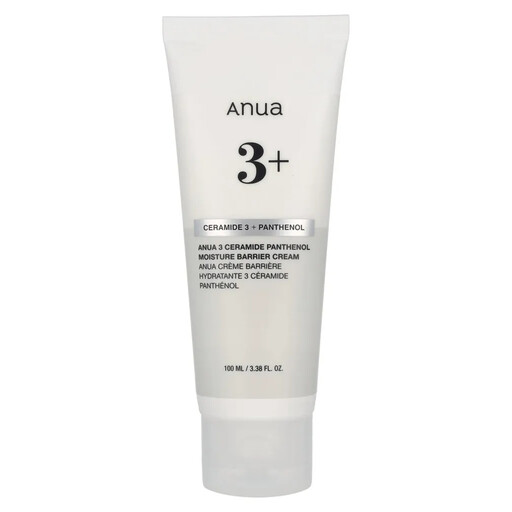
Why this product suits this profile: This Korean face cream combines panthenol with three specified types of ceramide, making it suitable as the final step in a daily skincare routine for dry, sensitive or normal skin.
The formula lists several barrier-supporting ingredients and humectants rather than relying on a single trending ingredient in its marketing. Check the current INCI list on the packaging before purchasing.
100 ml, panthenol, Ceramides NP/AP/EOP, hyaluronic acid and a texture described as lightweight.
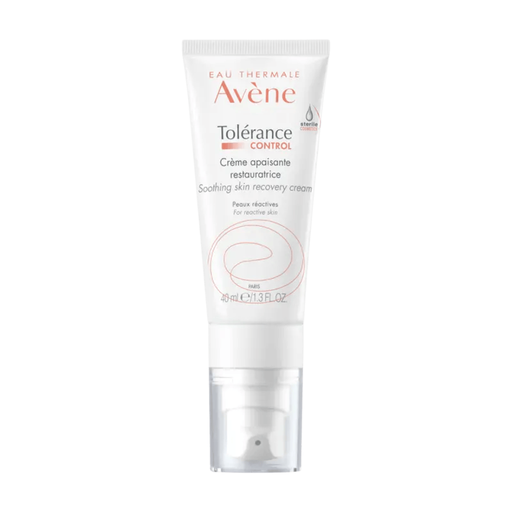
Why this product suits this profile: This fragrance-free, preservative-free formula is designed for hypersensitive and reactive skin. Its airtight packaging is particularly appealing if you prefer a streamlined formula.
The product information explicitly states that it contains no fragrance or preservatives. This makes it easier to align your choice with your personal exclusion criteria.
40 ml, squalane and glycerin in the INCI list, with use recommended in the morning, evening or as required.
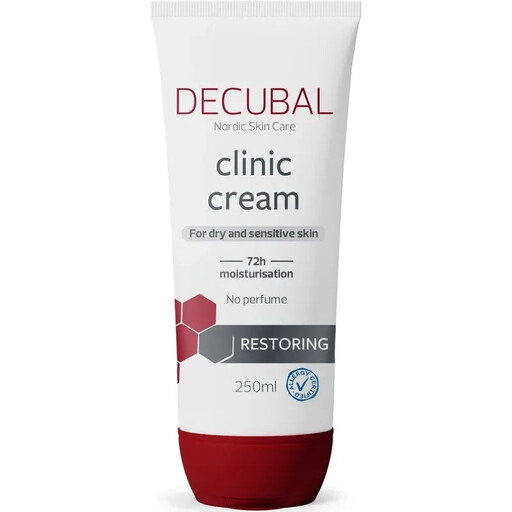
Why this product suits this profile: The large pack size and stated suitability for the face and body make it a good fit for households wanting to use a rich moisturiser regularly on dry areas.
The product details state that it contains 38% lipids and no fragrance or colourants. This makes key buying criteria for very dry skin easy to assess at a glance.
250 g, glycerin, lanolin and dimethicone; according to the product description, intended for daily use on the body and particularly dry areas.
We have put together a complete, regularly updated list of products that fully meet these strict selection criteria and the safety regulations applicable in the EU.
Apply the cream to clean, dry skin. In a multi-step routine, moisturiser usually comes after serum or toner. In the morning, you should also use sun protection. New products should initially be tested on a small area of skin. Products containing retinol or fragrance require particular caution; an anti-ageing moisturiser is therefore not automatically the right choice for a weakened skin barrier.
A richer formula containing glycerin, panthenol, ceramides, squalane or other lipids may be suitable. For the body, larger packs such as 200 to 450 g are often more practical than small face creams. Your personal tolerance and the current INCI list remain decisive.
Both groups of ingredients perform different functions. Hyaluronic acid is primarily used as a humectant, while ceramides are classed as skin-identical lipids. A formula combining both can therefore be useful when you want to support hydration as well as the skin barrier.
The symbol on the packaging indicating the product’s period after opening is the key reference, often showing around 12 or 24 months. Changes in smell, colour or consistency are a reason to stop using the product. Jars should be closed securely and stored away from heat and direct sunlight.