
Lieferung heute & morgen

Qualitätsgarantie

Willkommens-Angebote freischalten: KOSTENLOSE Lieferung | Bis zu 80 % RABATT | Kostenlose 30-Tage-JoyPlus-Testphase
App herunterladen
Dry, frizzy or damaged hair does not automatically need an especially rich conditioner. A formula that is too lightweight may not care for the lengths sufficiently, while a very heavy conditioner can leave fine hair looking flat. If you want to buy a moisturising conditioner, you should therefore look beyond terms such as “Hydration”, “Repair” or “Moisture”.
Damaged hair fibres can feel smoother, softer and easier to comb after using conditioning products. However, existing breakage or split ends cannot be permanently reversed. A conditioner for damaged hair mainly supports the hair’s external care and can improve manageability.
Oils, silicones, fatty alcohols and cationic conditioning agents can make dry lengths feel smoother and softer. On fine hair or hair that becomes weighed down quickly, however, a rich formula may leave too little volume. For this hair type, a lightweight moisturising conditioner is often more practical.
A 970 ml container can make sense if you use conditioner every day. However, if a product is only used occasionally or is not suitable for your hair type, the large pack may remain open for a long time. Before buying, you should therefore compare the amount, frequency of use and recommended dosage.
For a conditioner for dry hair, moisture-binding and smoothing ingredients are important. The INCI list may include ingredients such as glycerin, panthenol, betaine or certain oils. Conditioning agents such as Cetearyl Alcohol, Behentrimonium Chloride or Dimethicone can make the hair surface smoother and easier to comb.
However, the product name alone is not a consistent quality standard. What matters is whether the formula suits your hair structure:
A classic conditioner is applied to wet lengths and ends after shampooing. The scalp is usually avoided unless the product specifically states otherwise. Depending on the formula, around 30 seconds to several minutes may be sufficient.
A conditioner for dry and damaged hair should not automatically be used in large quantities. Applying a small amount to the lengths helps prevent unnecessary residue. Hair masks or intensely conditioning products are often intended for use once or several times a week and do not necessarily replace your daily conditioner.
The complete INCI list on the packaging is the key reference, as formulas may change. Fragrances such as Limonene, Linalool or Benzyl Alcohol may be relevant for people with sensitive skin. Alcohol, essential oils and certain preservatives may also not be equally suitable for every scalp.
Cosmetic products sold in the EU must, among other things, be labelled in accordance with the EU Cosmetics Regulation. Look for the manufacturer or responsible person, ingredient information, product quantity and directions for use. In the event of contact with the eyes or skin, follow the instructions for the specific product. Stop using the product if irritation occurs.
The following selection matches products to specific usage situations. The categorisation is based on the stated product features, quantities, directions for use and ingredient lists.
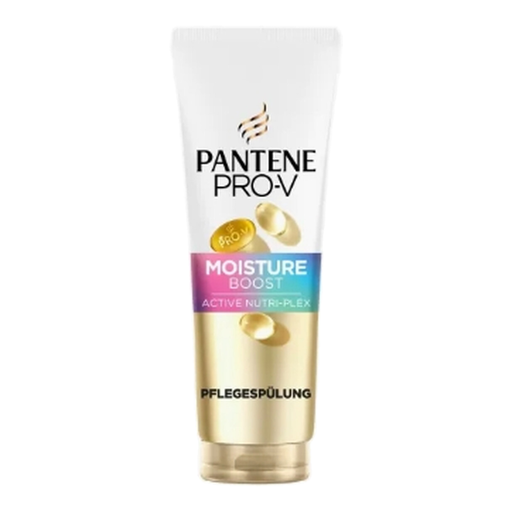
Why this product suits the profile: The 200 ml size is suitable for beginners and for people with normal to dry or fine hair. According to the product description, it can be rinsed out or used as a leave-in conditioner.
The flexible application allows you to reduce the conditioning intensity for fine hair. The amount used can be adjusted to suit the lengths and ends.
Indicated for normal and dry hair; contains panthenol and a silicone-based conditioning ingredient, among others.
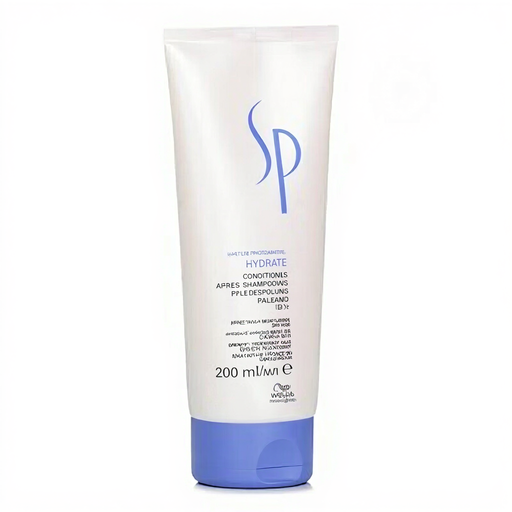
Why this product suits the profile: This salon-focused product range is aimed at people looking for daily moisture care with a short leave-in time. According to the product description, it is also suitable for coloured hair.
The stated leave-in time of around 30 seconds saves time and prevents a rich conditioning treatment from being left on unnecessarily long.
200 ml contents; according to the product description, contains panthenol and Behentrimonium Chloride for conditioning and improved manageability.
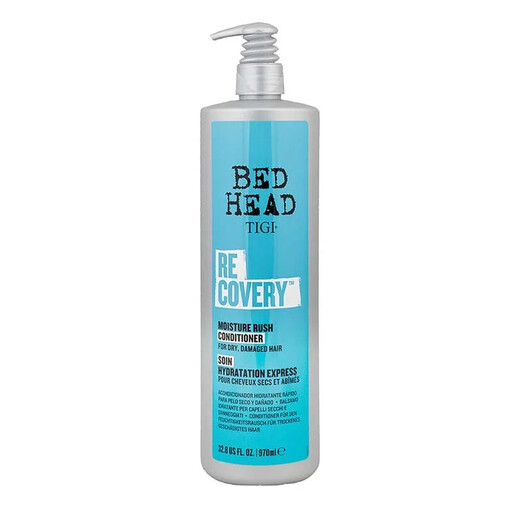
Why this product suits the profile: The 970 ml bottle is designed for frequent use and long, dry or heavily stressed lengths. The recommended leave-in time is 3 to 5 minutes.
The large quantity is suited to regular use and reduces the need to buy replacements frequently. If you have fine hair, application should be limited to the ends.
970 ml contents; according to the product information, contains glycerin, lactic acid and smoothing conditioning agents.
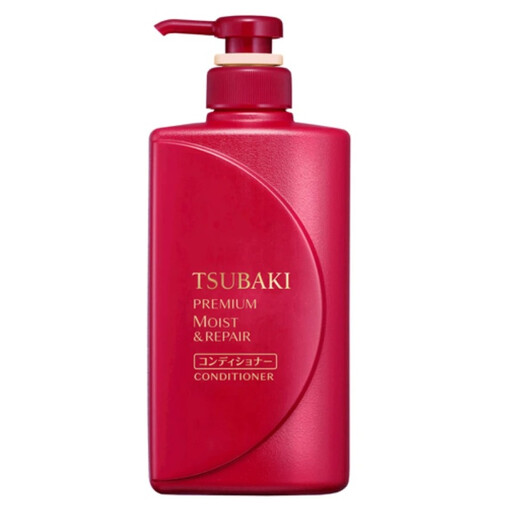
Why this product suits the profile: According to the product description, the creamy 490 ml formula is aimed at dry and damaged hair. It is intended for regular use and may be practical for long hair.
Applying it to the lengths and ends as recommended avoids putting unnecessary strain on the roots. The ingredient information includes glycerin, argan oil and jojoba oil, among others.
490 ml contents; creamy texture and conditioning focus for dry, brittle hair according to the product description.
If your hair is extremely dry, you can also use a mask or a repair conditioner with a longer leave-in time. A conditioner for frizz smooths the hair surface, although the results also depend on humidity, styling and hair structure. Leave-in products such as serums are a useful addition, but they do not replace a rinse-out conditioner.
We have put together a complete, regularly updated list of products that fully meet these strict selection criteria and the safety regulations applicable in the EU.
A classic conditioner can be used every time you wash your hair, provided it does not leave your hair feeling weighed down. If you have fine hair, a small amount on the ends is usually enough. Intensive masks or rich conditioning products are often intended for use once or twice a week.
That depends on the formula. Some products should be rinsed out after around 30 seconds, while others require 1 to 5 minutes. The instructions on the packaging are the deciding factor. Leaving conditioner on for longer does not automatically result in more intensive conditioning.
The price depends on factors including the brand, quantity, ingredients and market positioning. You should therefore compare the price per 100 ml and take the recommended dosage into account. This makes it easier to assess whether a small, concentrated pack or a large bottle offers better value for your own moisturising hair-care routine.