
Lieferung heute & morgen

Qualitätsgarantie

Willkommens-Angebote freischalten: KOSTENLOSE Lieferung | Bis zu 80 % RABATT | Kostenlose 30-Tage-JoyPlus-Testphase
App herunterladen
A moisturising face cream is part of many adults’ daily skincare routine. Even so, choosing the right one is not always easy: a rich cream can feel heavy on oily skin, while a lightweight gel texture may not be enough for dry skin. Add to this the marketing claims of “long-lasting” hydration, “revolutionary” active complexes or particularly pure formulations, which do not always suit your individual skin.
This buying guide explains what to look for in a face cream for dry skin, a moisturiser for sensitive skin or an oil-free face cream.
Hydration and oil are not the same thing. Humectants such as glycerin, hyaluronic acid and urea bind water. Lipids, oils, mineral oil and petrolatum, on the other hand, can help reduce water loss from the surface of the skin. Dry skin therefore often needs a combination of humectants and replenishing ingredients.
A very rich texture is not automatically suitable for combination skin face cream or oily skin face cream. Lightweight gel creams or lotions may feel more comfortable in these cases.
An oil-free face cream can offer a lightweight, non-greasy texture. However, it is not automatically free from silicones, fragrances or all potentially unwanted ingredients. You should therefore check the complete INCI list and pay attention to the product’s actual consistency.
A hyaluronic acid face cream may contain glycerin, Sodium Hyaluronate or various hyaluronic acid derivatives. However, the name alone says little about the overall formulation. Lipids, ceramides and skin-identical ingredients are also relevant for a weakened skin barrier. Claims such as “natural” or “clinically tested” do not replace considering your skin type, tolerance and how the product is used.
Several groups of active ingredients are relevant for daily skincare:
A ceramide face cream may appeal to people who specifically look for a barrier-focused formulation. According to the product description, combines several ceramides with cholesterol, skin-identical lipids, panthenol and hyaluronic acid derivatives. This is a logical composition for dry or sensitive skin, but it does not replace an individual tolerance test.
Anyone looking for a moisturiser for sensitive skin should look for “fragrance-free” or “ohne Duftstoffe”. A product may contain allergenic fragrances such as Limonene, Linalool or Coumarin despite having a pleasant scent. Colourants and denatured alcohol are also relevant points to check for some users.
Additional precautions apply to active ingredients such as salicylic acid. According to the stated INCI list, the Odol Persistent Blemishes Oil-free Hydrating Facial Cream contains salicylic acid, niacinamide and Zinc PCA. If redness, burning or excessive flaking occurs, reduce or stop use. The current ingredients list on the packaging is the authoritative source.
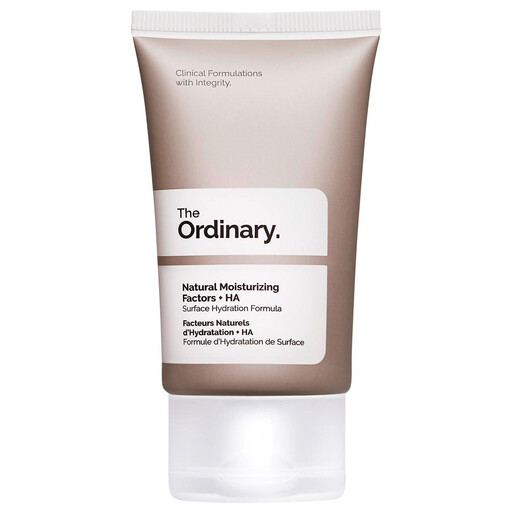
Why this product suits the profile: This compact 30ml cream contains glycerin, amino acids, urea, Sodium PCA and Sodium Hyaluronate. It is suitable for users looking for simple daily hydration without fragrance.
According to the product information, the formulation is free from fragrance and several commonly avoided ingredient groups. Check the current packaging information before buying.
Fragrance-free formulation, humectants and amino acids in a small pack size.
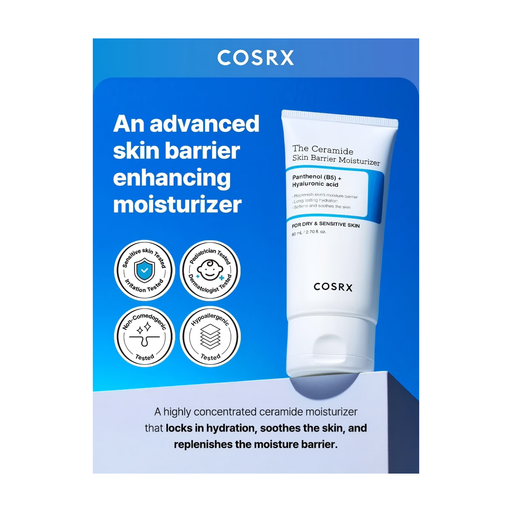
Why this product suits the profile: According to the product description, this cream is designed for dry and sensitive skin. Ceramides, cholesterol, squalane, panthenol and several hyaluronic acid derivatives appeal to users who want to make skin-barrier care part of their skincare routine.
This choice is not based on a single trending ingredient, but on a combination of ceramides, lipids and humectants.
80ml tube, Ceramide NP, NS, AP, AS and EOP, plus panthenol, according to the stated INCI list.
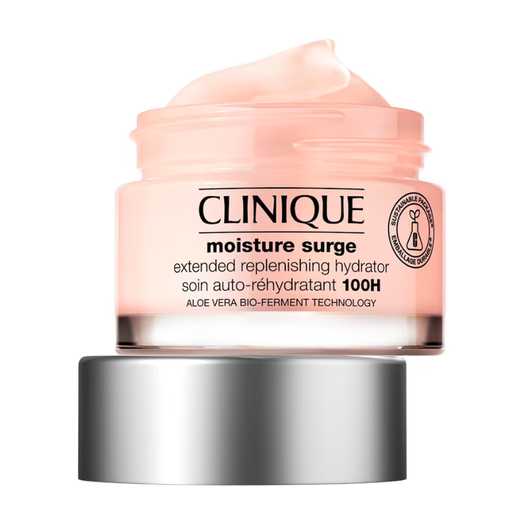
Why this product suits the profile: According to the product information, this oil-free gel cream is designed for various skin types and can be used in the morning, evening or under make-up. That makes it suitable for changing everyday needs.
The gel cream focuses on a lightweight texture rather than a highly emollient consistency. The stated “100H” claim is a brand statement, not a blanket guarantee for every skin type.
Oil-free gel cream, 50ml, with glycerin, aloe ingredients and Sodium Hyaluronate according to the product data.
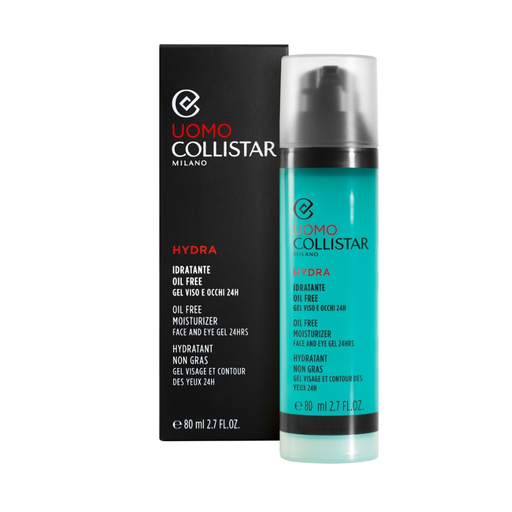
Why this product suits the profile: According to the product description, the Collistar cream is an oil-free, lightweight facial moisturiser for all skin types, particularly combination skin. Glycerin, urea, trehalose and Sodium Hyaluronate are listed among the ingredients.
The assessment considers not only the oil-free formulation, but also fragrances and Alcohol denat. in the stated INCI list. A patch test is advisable for sensitive skin.
80ml, lightweight cream texture and several humectants; fragrances and colourants are also listed.
We have put together a complete, regularly updated list of products that fully meet these strict selection criteria and the safety regulations applicable in the EU.
Apply the cream to dry or slightly damp skin after cleansing. Start with a small amount. If your skin is dry, applying a second thin layer to particularly stressed areas may be useful. During the day, use a suitable sun cream as well if you will be exposed to UV rays for an extended period.
Before using the product fully for the first time, a patch test on a small area of skin is recommended. If persistent burning, itching, redness or swelling occurs, stop using the product and seek medical advice if necessary. Cosmetic moisturisers are not a substitute for dermatological treatment.
Look for a combination of humectants and skin-conditioning lipids. Depending on the formulation, glycerin, urea, hyaluronic acid, squalane, ceramides or petrolatum may be relevant. A ceramide face cream is one possible option if supporting the skin barrier is your main priority.
The best-before date and the PAO symbol on the packaging are the key references, such as “12M” for twelve months after opening. Keep the cream closed, dry and out of direct sunlight. If its smell, colour or consistency changes, it should not be used further.
No. Price alone says nothing about whether a product is suitable for your skin type. Texture, ingredients, tolerance, pack size and correct application are what matter. Compare the INCI list and choose a formulation that meets your individual needs.