
Lieferung heute & morgen

Qualitätsgarantie

Willkommens-Angebote freischalten: KOSTENLOSE Lieferung | Bis zu 80 % RABATT | Kostenlose 30-Tage-JoyPlus-Testphase
App herunterladen
The search for the ideal moisturising sunscreen for your face can often feel like a daunting task. The promise is clear: protection from UV rays without drying out the skin. However, the reality is often different. Many products that promise hydration leave behind a greasy film, while others create an unsightly white cast that looks unflattering under makeup.
As your Joybuy Product Recommendation Officer, I'm here to help you navigate the jungle of marketing claims. We'll focus on the objective facts and identify the most common pitfalls, so you can make an informed decision.
The 3 Most Common Pitfalls When Buying Face Sunscreen:
To avoid these problems, it's crucial to critically examine the product description and pay attention to a few core parameters.
A high Sun Protection Factor (SPF) is fundamental, but it's not enough on its own. It primarily measures protection against UVB rays, which are responsible for sunburn.
The texture determines whether you'll enjoy using your sunscreen every day. Modern formulations offer a wide variety, going far beyond the classic thick cream.
A good moisturising sunscreen is more than just UV protection. It can contain active skincare ingredients that address specific skin needs.
Based on these objective criteria, we have identified a few products that are particularly well-suited for different user profiles.
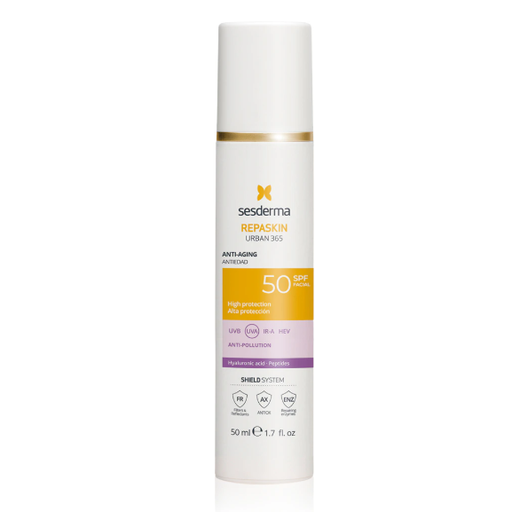
Why This Fits Their Persona: Ideal for those exposed to daily urban pollutants. Its lightweight texture absorbs quickly and serves as an excellent makeup base without feeling greasy. The focus on anti-ageing protection is crucial for long-term daily use.
The formula is described as fast-absorbing and designed for daily use, counteracting the problem of a heavy, greasy texture.
Combines high SPF 50 UVA/UVB protection with anti-ageing ingredients like peptides and sodium hyaluronate. The formula is water-resistant.
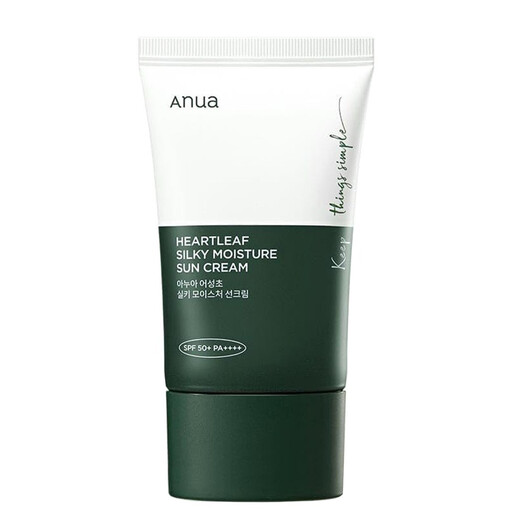
Why This Fits Their Persona: Perfect for users whose skin reacts quickly to external stimuli. The formula is vegan, fragrance-free, and features a high concentration of Houttuynia Cordata extract, known for its soothing properties.
It directly addresses the "sensitive skin" trap by being fragrance-free and using calming ingredients. The gel texture also prevents a white cast.
Offers very high protection (SPF50+/PA++++) with a silky, non-sticky texture. Contains niacinamide and panthenol to strengthen the skin barrier.
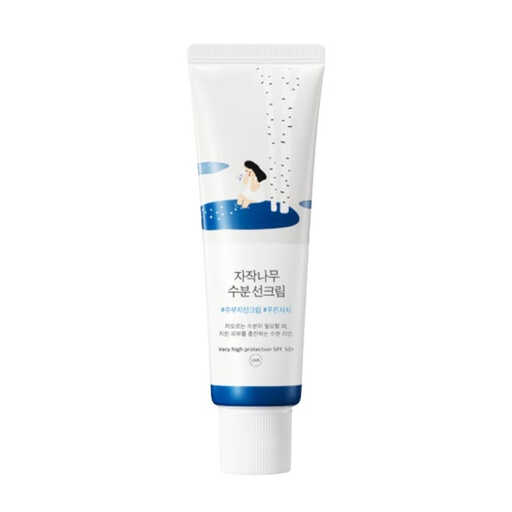
Why This Fits Their Persona: For anyone aiming for a hydrated, radiant complexion without the heavy feeling. This Korean sunscreen is famous for its serum-like consistency that delivers intense moisture and leaves a luminous finish.
Its lotion-like texture debunks the myth that moisturising sunscreen must be heavy. It absorbs without a trace, completely avoiding a white cast.
Formulated with nutrient-rich Birch Sap and hyaluronic acid for intense hydration. It provides high protection (SPF 50+/PA++++) and a comfortable, fresh feel on the skin.
We've compiled a complete, up-to-date list of products that fully meet these strict selection criteria and relevant safety regulations.
1. How much sunscreen should I use on my face? A common guideline is the "two-finger rule." Apply two strips of sunscreen to your index and middle fingers. This amount is generally sufficient for the face and neck to achieve the stated SPF.
2. Can a moisturising sunscreen replace my daily moisturiser? For those with oily or combination skin, a rich, moisturising sunscreen can often be sufficient to replace a daily moisturiser, especially in the summer. For dry skin, it's best to apply sunscreen as the final step after your usual moisturiser to ensure optimal hydration.
3. What does PA++++ mean on Korean sunscreens? The PA system measures protection against UVA rays. The plus signs indicate the level of protection, with PA+ being low and PA++++ representing the highest currently available protection against UVA radiation. This is especially important for a daily anti-ageing sunscreen, as UVA rays are a primary contributor to skin ageing.