
Lieferung heute & morgen

Qualitätsgarantie

Willkommens-Angebote freischalten: KOSTENLOSE Lieferung | Bis zu 80 % RABATT | Kostenlose 30-Tage-JoyPlus-Testphase
App herunterladen
Dry, sensitive or delicate skin does not automatically respond in the same way to every moisturising product. A rich cream may feel uncomfortably heavy, while a very light lotion may not be enough when the skin feels particularly tight. Marketing claims such as “for sensitive skin”, “soothing” or “especially gentle” are no substitute for checking the ingredients, intended area of use and application instructions.
This buying guide helps you choose a moisturising lotion for sensitive and dry skin according to clear, understandable criteria. The focus is on texture, ingredients, skin type and suitability for everyday use.
A skincare product marketed for sensitive skin may still contain fragrances, alcohol, essential oils or certain preservatives. If your skin is prone to redness or stinging, you should therefore check the complete INCI list. A fragrance-free lotion is not automatically suitable for everyone, but it does eliminate one commonly considered trigger.
Products containing glycerin, hyaluronic acid or Sodium Hyaluronate bind water in the uppermost layer of the skin. However, replenishing ingredients such as oils, shea butter, fatty acids or ceramides are also important for a comfortable feel that lasts. Simply binding moisture may not be enough for very dry skin if the skin’s surface also needs nourishing and protecting.
The face often needs lighter textures and careful consideration of ingredients that may clog pores. For elbows, shins or heels, however, a richer body lotion for dry skin may be more practical. For babies and children, you should also check the intended area of use stated on the label.
The INCI list may change. The ingredients list on the packaging of the delivered batch is therefore the one that matters.
For the face, products clearly labelled for facial use are generally suitable, with easy application and a finish that matches your own skin. A face cream for sensitive skin may be more suitable for dry facial skin than a heavy body-care product.
For large areas of the body, 400 to 500 ml and a pump dispenser are practical. If you only treat a few dry areas, 40 to 100 ml may be sufficient. A non-greasy lotion is easier to use in the morning, while a richer product may be more appropriate after showering or in the evening.
Apply the product to clean skin, ideally shortly after drying off. Slightly damp skin can make it easier to spread. If you have sensitive skin, it is advisable to test the product on a small area first. If stinging, swelling, persistent redness or itching occurs, stop using it and seek dermatological advice if necessary. Cosmetic products are not intended to treat skin conditions.
The following recommendations categorise specific products according to area of use, texture, ingredients and pack size.
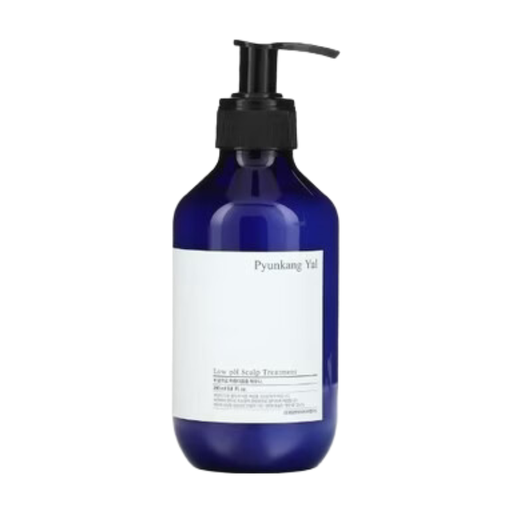
Why this product suits this profile: The large 500 ml pump bottle is designed for daily care of the face and body, making it suitable for households looking for one versatile product.
The formula lists glycerin, Sodium Hyaluronate and several ceramides. Even so, you should check your skin’s tolerance before using it regularly.
Suitable for the face and body, 500 ml contents, with ceramides and hyaluronic acid listed in the INCI list.
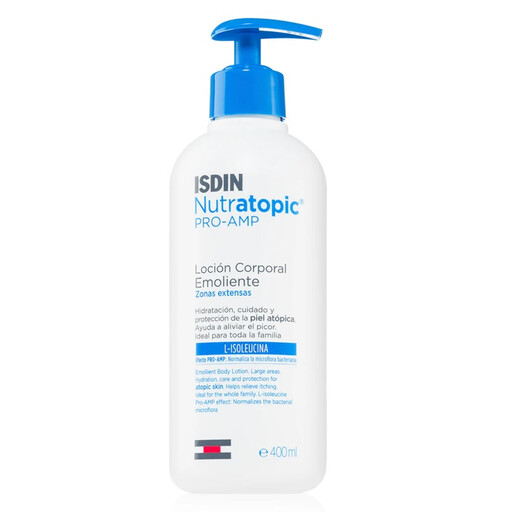
Why this product suits this profile: The product description is aimed at very dry, sensitive and atopy-prone skin. This makes the lotion suitable for shoppers looking for a clearly defined body-care product.
The target group and intended use are described more specifically than they are for a general moisturising lotion. This makes it easier to compare the product with your own skin’s condition.
400 ml contents, with ceramides and niacinamide according to the product information; intended for dry and sensitive body skin.
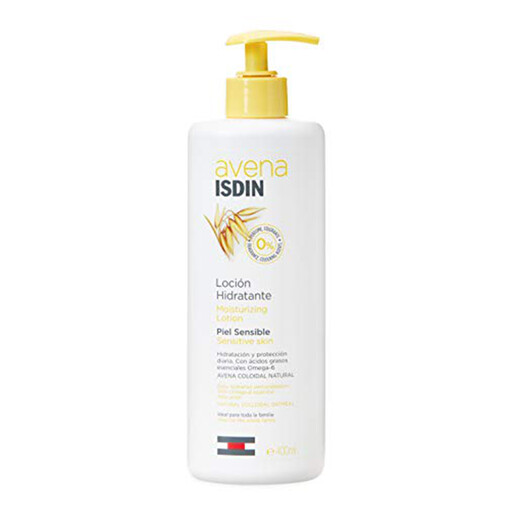
Why this product suits this profile: The body lotion is labelled for adults and children and can be incorporated into a daily routine for dry areas such as elbows, knees or heels.
The product information explicitly states that the formula is fragrance-free. However, if you have a known sensitivity, you should still check the current packaging information.
400 ml, colloidal oat and borage oil according to the product description; intended for sensitive, dry and atopy-prone skin.
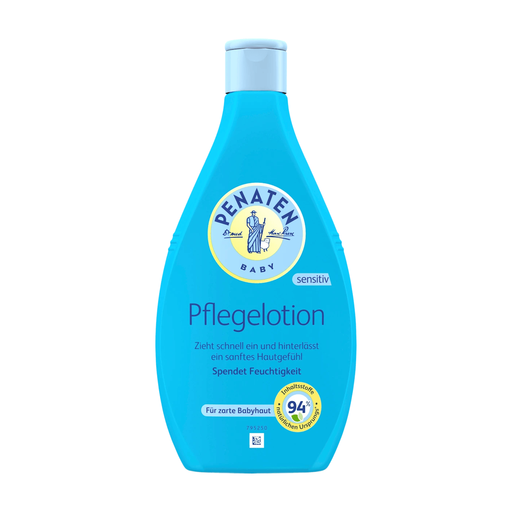
Why this product suits this profile: The lotion is labelled for babies’ daily body care and, according to the product description, is suitable from one month of age.
The product is specifically intended for babies rather than simply being adapted from an adult skincare product. Contact with the eyes and mucous membranes should nevertheless be avoided.
400 ml, labelled for babies and, according to the product information, free from preservatives and colourants.
We have put together a complete, regularly updated list of products that fully meet these strict selection criteria and the safety regulations applicable in the EU.
If your skin is prone to blemishes, a lighter acne skincare product with a non-greasy texture may be more practical. Products containing fragrances, menthol or essential oils should be checked particularly carefully if your skin is irritated.
For very dry body skin, formulations containing glycerin, urea, ceramides, shea butter or other replenishing ingredients are often a sensible choice. A lotion containing 10 per cent urea, such as the Eucerin UreaRepair Plus Lotion 10 per cent, is designed for very dry, rough body skin, for example. If the product stings or the skin is damaged, stop using it and seek professional advice.
No. Fragrance-free simply means that no added fragrances are listed. Other ingredients may also cause individual intolerance. This is why the INCI list, a patch test and following the manufacturer’s instructions remain important.
The key factors are the open-jar symbol showing the product’s period of use after opening, as well as the printed best-before or expiry date. Pump dispensers can reduce contact with air and hands, but they do not replace storage in accordance with the manufacturer’s instructions. Direct sunlight and intense heat should be avoided.