
Lieferung heute & morgen

Qualitätsgarantie

Willkommens-Angebote freischalten: KOSTENLOSE Lieferung | Bis zu 80 % RABATT | Kostenlose 30-Tage-JoyPlus-Testphase
App herunterladen
A moisturising face cream should hydrate dry, tight or dehydrated skin without leaving an uncomfortable film. However, choosing the right product depends on more than just the brand or marketing claims. Skin type, texture, ingredients and application all determine whether a cream really works well in your daily routine.
A heavy cream is not automatically better for dry skin. Some formulations contain many oils, waxes or highly occlusive ingredients and can feel sticky on combination or oily skin. In summer, under make-up or with an oily T-zone, a light gel cream for the face is often more suitable.
Hyaluronic acid can help bind moisture, but the composition of the complete cream is also important. Depending on the formulation, glycerin, panthenol, beta-glucan, ceramides or squalane perform different functions. The key is the INCI list on the packaging, not just a highlighted ingredient on the front.
Even a face cream marketed as soothing may contain fragrances, essential oils or certain preservatives. If your skin is prone to redness or stinging, look specifically for a fragrance-free face cream and check the full ingredients list. New products should initially be tested on a small area of skin.
Glycerin, Sodium Hyaluronate and other forms of hyaluronic acid are classed as moisture-binding ingredients. A hyaluronic acid face cream may therefore be worth considering for dehydrated skin. Lipids such as ceramides, cholesterol and fatty acids are also relevant for supporting the skin barrier.
Centella asiatica is often referred to as Cica. A Centella cream may be an option if you are looking for lightweight, soothing skincare. However, claims about repairing, healing or medical effects should not be inferred from general product descriptions.
Cream is usually applied after cleansing to slightly dry or still minimally damp skin. During the day, suitable sun protection should form part of your routine if you will be exposed to the sun for an extended period. The recommended amount, shelf life and current INCI list are shown on the packaging and should be checked before purchase, as formulations can change.
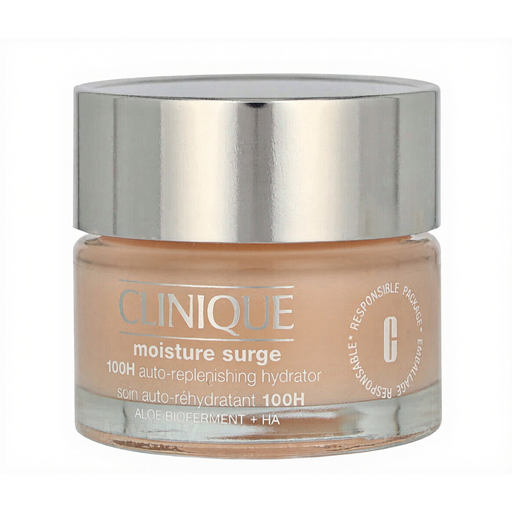
Why this product suits the profile: The oil-free gel moisturiser is suitable for a straightforward morning and evening routine, as well as for wearing under make-up.
The product information states that the formula is oil-free and fragrance-free. This helps you avoid choosing skincare that is heavy or strongly fragranced.
Oil-free gel texture; according to the product description, with glycerin, Sodium Hyaluronate and aloe ingredients.
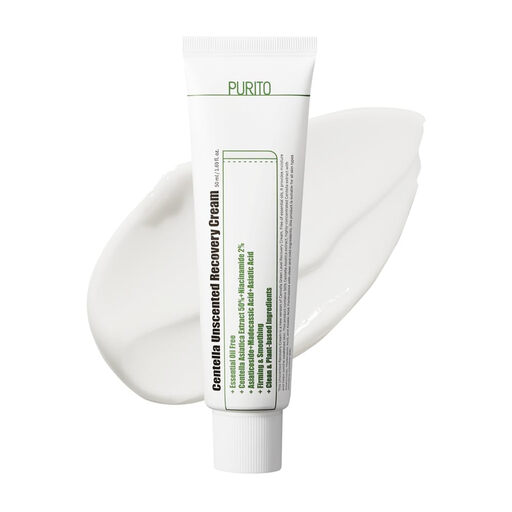
Why this product suits the profile: The fragrance-free approach and lightweight cream texture will appeal to users who want to keep their routine as gentle as possible.
The “Unscented” label and clearly displayed INCI list make it easier to avoid added fragrance. However, individual skin tolerance should still be checked.
Centella asiatica, niacinamide, Ceramide NP and squalane in a lightweight cream formulation.
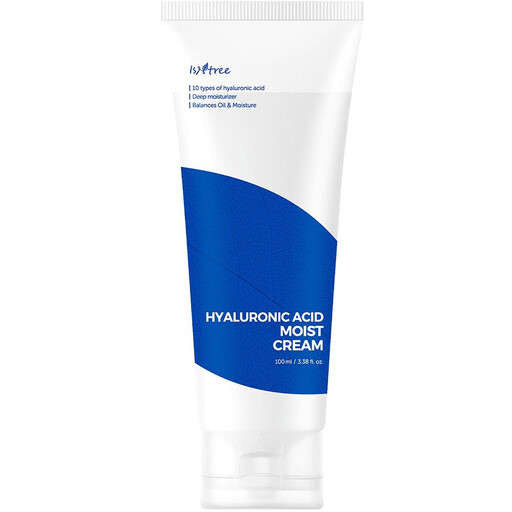
Why this product suits the profile: The larger size and creamier formula suit people who use a more intensive moisturiser every day.
The product information lists five forms of hyaluronic acid, as well as ceramides and beta-glucan. This provides more guidance than a reference to a single active ingredient.
100 ml contents; according to the product information, with several hyaluronic acid derivatives, glycerin, panthenol and Ceramide NP.
We have put together a complete, regularly updated list of products that fully meet these strict selection criteria and the safety regulations applicable in the EU.
A cream containing glycerin, hyaluronic acid, panthenol or ceramides may be a sensible choice. For sensitive skin, a formula that is as fragrance-free as possible and has a concise ingredients list is recommended. If redness, stinging or flaking persists, stop using the product and seek dermatological advice if necessary.
A lightweight gel cream for the face may feel more comfortable on oily or combination skin than a rich cream. However, “lightweight” does not automatically mean non-comedogenic. You should therefore consider the product description, INCI list and your skin’s individual response together.
The best-before date and the PAO symbol on the packaging are the key references, such as “12M” for twelve months after opening. Changes in smell, colour or consistency indicate that the product should no longer be used. Jars should ideally be handled with clean hands and protected from heat and direct sunlight.