
Lieferung heute & morgen

Qualitätsgarantie

Willkommens-Angebote freischalten: KOSTENLOSE Lieferung | Bis zu 80 % RABATT | Kostenlose 30-Tage-JoyPlus-Testphase
App herunterladen
A moisturising face cream should keep the skin supple, reduce feelings of tightness and fit comfortably into your daily skincare routine. However, choosing the right product is not simply a matter of selecting the best-known brand. Texture, ingredients, skin type and application all determine whether a face moisturiser is genuinely suited to your everyday needs.
Three common marketing pitfalls particularly often lead to disappointing purchases:
For dry skin, ingredients such as glycerin, urea, hyaluronic acid, certain oils, shea butter and ceramides are often worth considering. A face cream for dry skin can have a somewhat richer texture, particularly for evening use or during the heating season.
For oily and combination skin, a non-greasy face cream with a gel or gel-cream consistency is often a good choice. Nevertheless, check the complete INCI list: a lightweight texture alone says nothing about individual skin compatibility.
Sensitive skin often benefits from a streamlined formula without unnecessary fragrance. Alcohol Denat., essential oils, menthol and parfum can be problematic for some people. A face cream for sensitive skin should initially be tested on a small area of skin.
Hyaluronic acid is available in different forms and molecular sizes, including Sodium Hyaluronate, Hydrolyzed Hyaluronic Acid and Crosspolymer. Terms such as “multi-molecular” or “10-fold” describe the formulation strategy, but are not in themselves proof of quality.
It is helpful to consider how the ingredients work together:
Ingredient lists can change. The INCI declaration on the packaging supplied with the product is therefore always decisive.
A hydrating day and night cream can be convenient if its texture feels comfortable both in the morning and evening. For products containing retinol, acids or other active ingredients, gradual introduction is advisable. An anti-ageing face cream may address cosmetic goals such as a smoother or more cared-for complexion, but it is not a substitute for medical advice.
A face cream with SPF provides an additional layer of daytime protection. The printed SPF refers to defined testing conditions and, in practice, also depends on the amount applied and how often the product is reapplied. In intense sunlight, a separate sunscreen with a higher level of protection may be advisable.
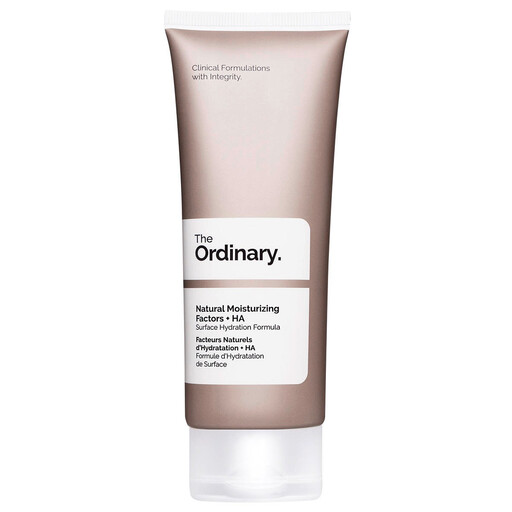
Why does it fit the profile? The 100 ml size and straightforward formula are well suited to those looking for a simple daily moisturising routine without fragrance.
Rather than relying on an extended efficacy claim, the formula highlights moisturising ingredients such as glycerin, amino acids, Sodium Hyaluronate and fatty acids.
According to the product description, the formula is fragrance-free and silicone-free; it is designed for all skin types and has a non-greasy finish.
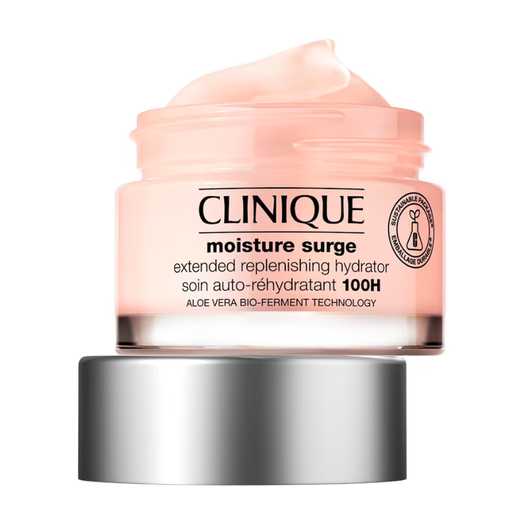
Why does it fit the profile? This oil-free gel cream is designed to provide a fresh skin feel and work well for both morning and evening use.
The product description clearly states the texture and intended use. This helps prevent choosing a rich cream when a fast-absorbing moisturiser is preferred.
According to the product information, the formula contains glycerin, Sodium Hyaluronate, aloe-derived ingredients and dimethicone. It can be used on its own or under make-up.
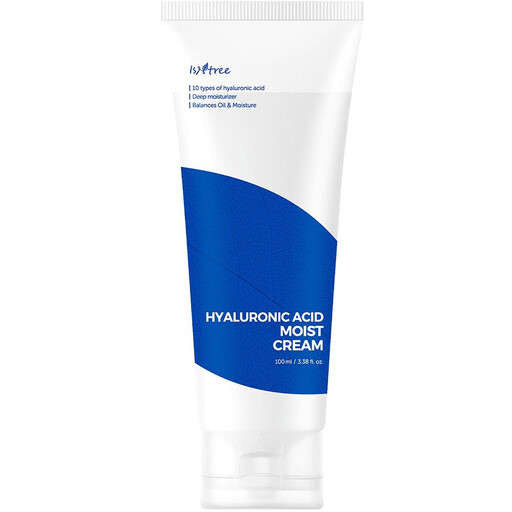
Why does it fit the profile? According to the product description, this Korean skincare moisturiser is intended for dry, dehydrated and sensitive skin.
The formula is not described solely in terms of hyaluronic acid: it also includes ceramides, panthenol, beta-glucan and several nourishing oils.
According to the supplier, the texture absorbs quickly and is non-greasy. The 100 ml size is suitable for regular use.
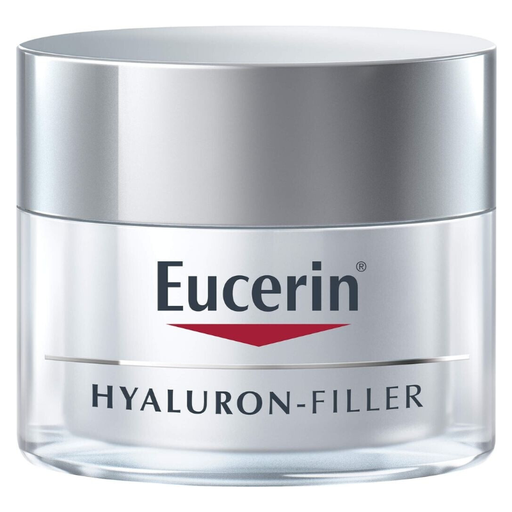
Why does it fit the profile? This day cream combines moisturising care with an indicated SPF 30 and, according to the product description, is also intended for mature skin.
The sun protection factor is clearly stated. For intense sun exposure, however, a separate sunscreen should still be used in accordance with its application instructions.
According to the product data, it contains Sodium Hyaluronate and offers SPF 30 with UVA/UVB filter information. The lightweight cream is designed for use under make-up.
Our selection of hyaluronic acid moisturising lotions offers additional products for different skin types, textures and skincare routines.
Apply a face cream to cleansed, lightly towel-dried skin. In a multi-step routine, the cream usually follows serum or toner. In the morning, sunscreen should be the final skincare step if the cream does not provide sufficient protection for the planned activity.
New products should initially be applied sparingly and, where possible, tested on a small area of skin. If redness, stinging, itching or persistent irritation occurs, discontinue use. Products containing retinol or AHA, including certain anti-ageing formulations, should be introduced particularly gradually.
The PAO symbol on the packaging, such as “12M”, is the key reference. It indicates how many months the product should be used after opening. Any changes in smell, colour or consistency are reasons to stop applying the cream.
A fragrance-free moisturiser with a streamlined formula can be a sensible starting point. Nevertheless, check the complete INCI list, as other ingredients may also cause individual reactions. A patch test does not replace dermatological assessment when existing skin problems are present.
Yes, provided the texture and ingredients fit your routine. A day cream with SPF is not essential for night-time use. When using active ingredients such as retinol or acids, follow the manufacturer’s instructions and use suitable sun protection during the day.