
Lieferung heute & morgen

Qualitätsgarantie

Willkommens-Angebote freischalten: KOSTENLOSE Lieferung | Bis zu 80 % RABATT | Kostenlose 30-Tage-JoyPlus-Testphase
App herunterladen
A moisturising face cream should care for your skin comfortably without leaving it feeling tight, greasy or prone to pilling under make-up. However, having a wide choice does not automatically mean finding the right formula. Many products are marketed with terms such as “barrier protection”, “glow” or “anti-ageing”, even though the key differences only become clear from the complete INCI list and the texture.
The Joybuy Product Recommendation Officer selection helps you put marketing terms into context and choose a face cream according to clear, understandable criteria.
Dry skin does not necessarily need the heaviest texture. A very rich cream can feel uncomfortable on combination or blemish-prone skin. Conversely, a lightweight moisturiser may not be enough for dry skin in winter.
What matters is the combination of:
For example, a hyaluronic acid cream can bind water. For a lasting feeling of comfort, it is also helpful to use a suitable nourishing phase that reduces moisture loss from the skin’s surface.
Ceramides, niacinamide, retinol, PDRN and Centella asiatica are common ingredients in modern skincare products. Simply mentioning them on the front of the packaging does not explain whether a formula is suitable for sensitive skin.
You should therefore check:
When trying a new product, it is advisable to carry out a patch test on a small area of skin first. If redness, itching or stinging persists, stop using the product.
The term non-comedogenic moisturiser can be a useful selection criterion for blemished or blemish-prone skin. However, it does not mean that everyone will tolerate the product equally well. Even a lightweight lotion can cause individual reactions.
Light lotions or gel creams are often more practical for oilier skin. Dry or mature skin often benefits from a creamier texture containing glycerin, squalane, ceramides or other nourishing ingredients.
For feelings of tightness and dry areas of skin, glycerin, hyaluronic acid and squalane are often useful. A ceramide cream can complement a routine when supporting the skin barrier is the priority. For mature skin, many people look for an anti-ageing face cream. Here, you should distinguish between cosmetic skincare properties and unsubstantiated claims about effects.
Products containing retinol require particular care. Your skin may react more sensitively, so you should introduce them gradually. During the day, suitable sun protection should be part of your routine. Also follow the instructions provided by the respective manufacturer.
A jar makes it easy to dispense the product, but it also brings the contents into contact with air and fingers more often. Tubes or pump bottles can be more hygienic in everyday use and more practical when travelling. Also compare millilitres or grams, rather than looking only at the pack price.
A face cream is usually applied after cleansing, toner and serum, as the final or penultimate step in your skincare routine. Very dry areas can be given additional care. In the morning, finish your routine with sun protection.
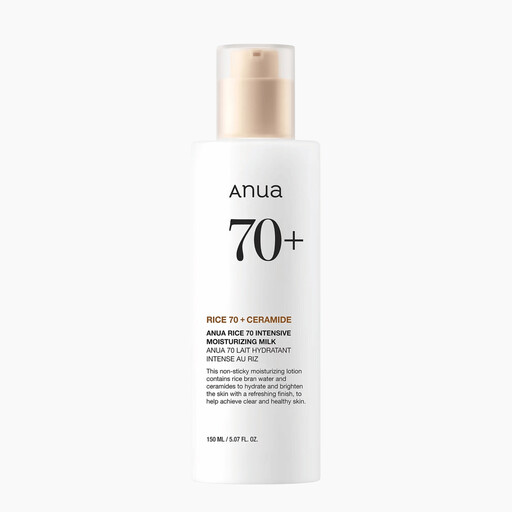
Why this product suits this profile: The milky formula combines several ceramides with rice ingredients, squalane and hyaluronic acid.
The ingredients list identifies specific ceramide types and several forms of hyaluronic acid, rather than making a vague claim about “moisture”.
150 ml contents, a milky texture and ceramides NP, AS, AP, NS and EOP according to the stated INCI list.
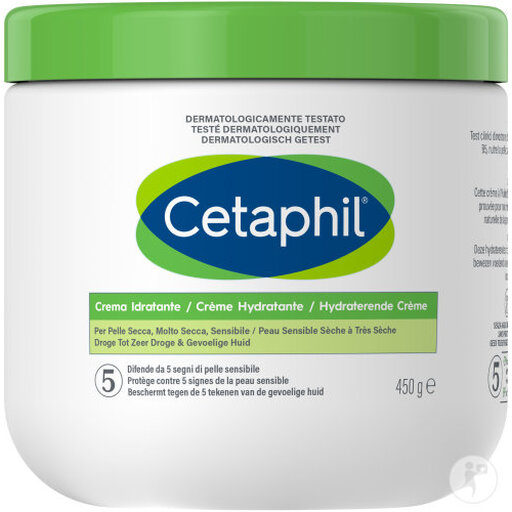
Why this product suits this profile: The large pack size is suitable for anyone who regularly uses a richer cream on their face and dry areas of skin.
The pack size makes the price per gram easier to compare and reduces the need for frequent repurchasing with regular use.
450 g contents, fragrance-free and non-comedogenic according to the product details; with glycerin, niacinamide and panthenol.
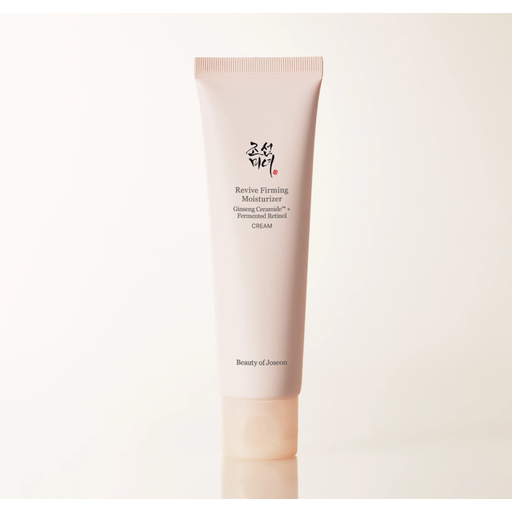
Why this product suits this profile: This lightweight gel cream is designed for people who want to incorporate retinol into a hydrating K-beauty routine.
The product description specifically mentions the lightweight gel cream texture and highlights the need to introduce retinol gradually.
60 ml, non-comedogenic gel cream according to the product description, combining fermented retinol with Ginseng-Ceramide.
We have put together a complete, regularly updated list of products that fully meet these strict selection criteria and the safety regulations applicable in the EU.
Look for a straightforward formula with humectants and nourishing lipids. Glycerin, panthenol, squalane and ceramides can be suitable ingredients. For sensitive skin, fragrance-free products are often a practical starting point. Test new skincare on a small area first and check the current INCI list on the packaging.
Most products are used morning and evening after cleansing. A lightweight lotion can be worn under make-up, while richer creams are often more comfortable in the evening or on dry areas of skin. The specific application method depends on the product description and how your skin feels.
The best-before date and the PAO symbol on the packaging are the key points to check, such as “12M” for twelve months after opening. Store the cream in a dry, cool place away from direct sunlight. If the smell, colour or consistency changes noticeably, stop using the product.