
Lieferung heute & morgen

Qualitätsgarantie

Willkommens-Angebote freischalten: KOSTENLOSE Lieferung | Bis zu 80 % RABATT | Kostenlose 30-Tage-JoyPlus-Testphase
App herunterladen
Dry skin, feelings of tightness or a shiny complexion despite using skincare do not always have the same cause. Products are often bought because terms such as “intensive hydration”, “glow” or “strengthens the skin barrier” are prominently displayed on the packaging. What matters, however, is whether the texture, ingredients and application suit your skin.
A rich cream can feel pleasant without providing the right level of hydration. Conversely, a lightweight formula may not contain enough protective lipids for very dry skin. Moisturising facial care should therefore ideally combine two functions:
A “15-fold complex” or a long list of botanical extracts says little about how well a product will suit your skin. For sensitive skin, fragrances, essential oils or certain preservatives may be more relevant than an extensive list of active ingredients. The complete INCI list on the product packaging is therefore more important than marketing claims on the front.
A sticky moisturising face serum is often used for only a few days. A cream that feels too heavy can likewise be uncomfortable on oily or combination skin. For regular use, absorption, dosage and how the product combines with sun protection or make-up also matter.
For a face cream for dry skin, glycerin, urea, hyaluronic acid, lipids and skin-identical ingredients are useful points to check. For oily skin, a lightweight gel cream or fluid may fit better into your routine. A lightweight moisturiser with a water-based texture is usually easier to combine with sun protection in the morning.
For sensitive skin, it is worth checking:
A moisturising toner or essence is typically used after cleansing. You can then apply a hyaluronic acid serum or another moisturising serum. Finish with a cream or emulsion to complete the protective skincare layer.
A simple order of application is:
Several layers are not automatically necessary. For dry skin, a thin, well-tolerated combination may be more beneficial than an overloaded skincare routine.
Do not compare prices alone; compare the price per 10 or 100 ml. Pump bottles and tubes limit contact with air and hands. For products in jars, remove the contents with clean hands or a spatula wherever possible. The printed best-before date and the symbol indicating the period of use after opening provide important guidance. Formulas may change, so the current packaging is the decisive source of information.
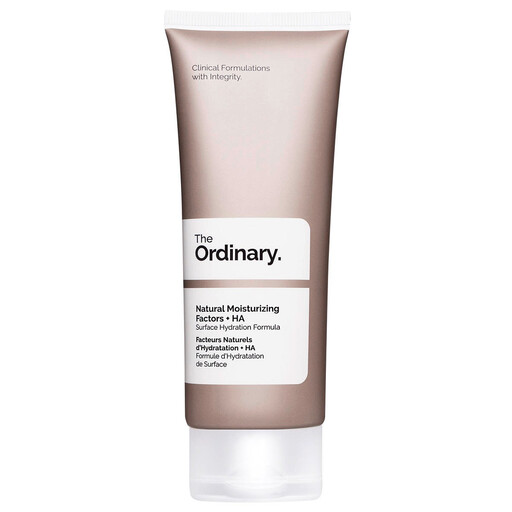
Why this product suits this profile: The 100 ml size is suitable for a regular basic routine. The INCI list includes glycerin, Sodium Hyaluronate, amino acids, urea and fatty acids, among other ingredients.
The formula focuses on familiar humectants and nourishing ingredients rather than relying solely on attention-grabbing active ingredient claims.
Generous size, cream for the face and neck, and a fragrance-free formula according to the product description.
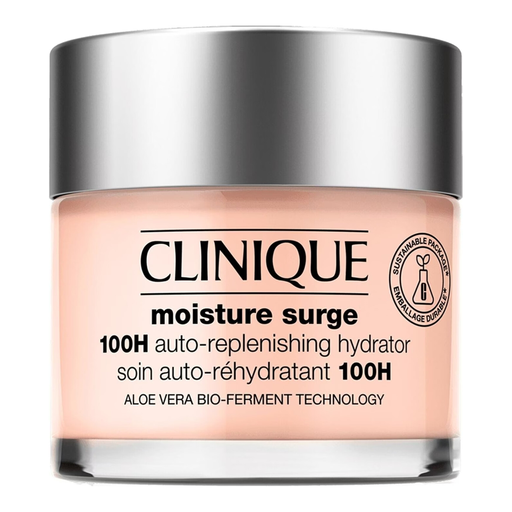
Why this product suits this profile: The oil-free gel cream is worth considering if you prefer a lightweight texture and want to use your skincare both morning and evening.
The gel cream addresses the issue of a heavy, greasy texture. The product description also mentions hyaluronic acid and aloe vera bio-ferment.
75 ml contents, oil-free gel cream and, according to the product information, suitable for all skin types and for use under make-up.
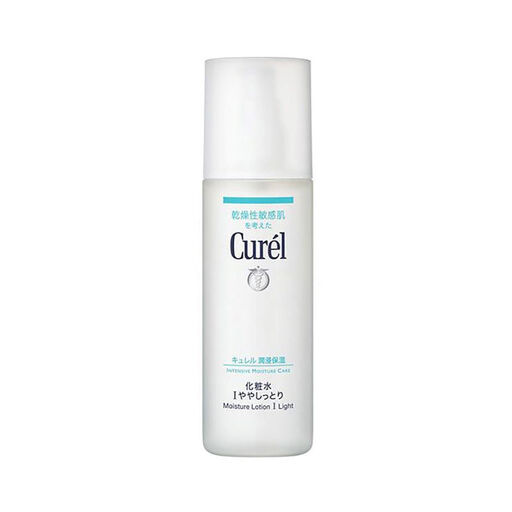
Why this product suits this profile: The lightweight lotion is ideal for routines where you want a watery layer of hydration after cleansing without applying a rich cream straight away.
The “Light” designation helps you avoid an overly heavy texture when making your initial choice. According to the product description, the lotion contains squalane and vitamin E.
150 ml contents, fluid lotion and application after cleansing before further skincare steps.
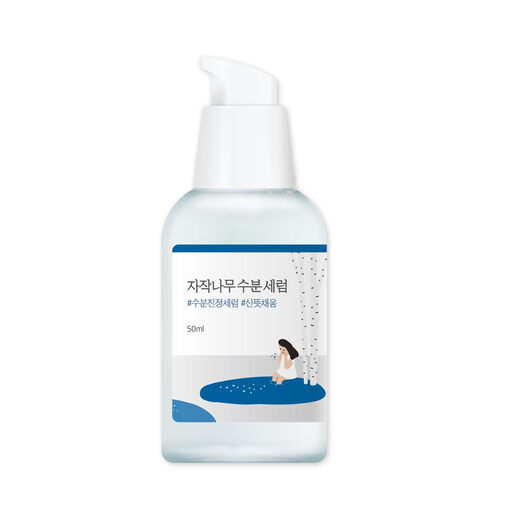
Why this product suits this profile: This serum is designed for users who want to add a targeted, lightweight moisturising serum to their routine. Its described fast-absorbing texture can be used beneath a cream.
The choice is based on specific information such as glycerin, several forms of hyaluronic acid and a fluid texture, rather than solely on the term Korean skincare.
50 ml contents, birch sap, glycerin and several forms of hyaluronic acid according to the INCI list; the product description states that it has a vegan formula.
We have compiled a complete, regularly updated list of products that fully meet these strict selection criteria and the safety regulations applicable in the EU.
When trying new products, first carry out a patch test on a small area of skin, particularly if you have sensitive skin or skin prone to reactions. If redness, burning, itching or swelling occurs, stop using the product. Products should not be applied to open, severely irritated or inflamed skin.
For dry skin, applying a serum to slightly damp skin followed by a cream can be helpful. Oily skin, on the other hand, does not necessarily need several layers. Using a small amount and monitoring your skin over several days will help you assess your routine realistically. Soothing facial care is not a substitute for dermatological advice if symptoms persist.
Look for a combination of humectants such as glycerin, urea or hyaluronic acid and nourishing lipids. A face cream for dry skin can be richer than a gel. Individual compatibility and how your skin feels after several hours remain the deciding factors.
The best-before date and the symbol showing the period of use after opening on the packaging are the key points of reference. Store the product according to the manufacturer’s instructions, usually in a cool, dry place away from direct sunlight. If its smell, colour or consistency changes, stop using it.
No. A simple routine consisting of cleansing, suitable moisturising care and sun protection in the morning may be enough. Toner and serum are additional steps if you prefer a lighter texture or are targeting a specific skincare goal. Choose based on your skin type, comfort and budget rather than on using as many products as possible.