
Lieferung heute & morgen

Qualitätsgarantie

Willkommens-Angebote freischalten: KOSTENLOSE Lieferung | Bis zu 80 % RABATT | Kostenlose 30-Tage-JoyPlus-Testphase
App herunterladen
The search for the right moisturiser for blemish-prone skin can feel like a contradiction. On one hand, your skin needs moisture to maintain its protective barrier. On the other, there's the fear that a cream might provoke new pimples and blackheads. Many products promise quick fixes, but they often lead to a dead end of irritation and disappointment. As your Joybuy Product Recommendation Officer, I'm here to help you avoid the common pitfalls and make an informed decision.
Before we get to the solutions, it's important to recognise the most common marketing traps that often lead to regrettable purchases.
To find the right acne care, you should focus on objective criteria rather than being swayed by marketing promises. Two factors are crucial here.
The term non-comedogenic cream is a key indicator. It means the formula is designed not to clog pores. For blemish-prone skin, lightweight textures are ideal. Look for terms like gel, gel-cream, or fluid. These provide hydration without leaving a heavy, occlusive film. A lightweight moisturiser absorbs quickly and creates a good base, even under makeup or sunscreen.
An effective cream for acne-prone skin combines clarifying ingredients with restorative ones. Instead of just "fighting" the skin, the goal should be to bring it into balance.
Clarifying and Regulating Ingredients:
Soothing and Strengthening Ingredients:
A good soothing face cream strikes this balance, ensuring the skin remains hydrated and resilient despite the use of clarifying ingredients.
Every skin is different. That's why we've put together products for various needs, based on the objective criteria mentioned above.
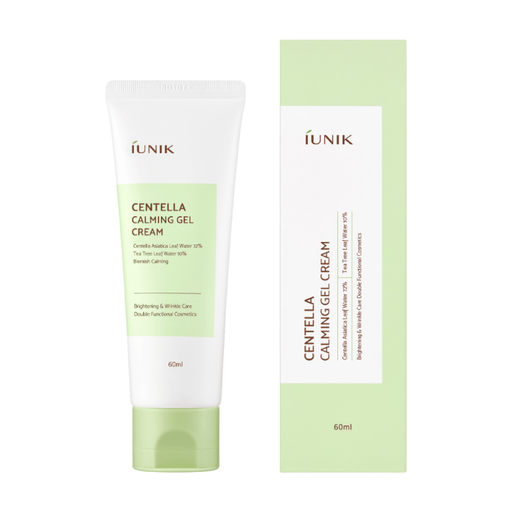
Why This Fits Their Persona: Ideal for those seeking a straightforward, soothing, and hydrating moisturiser. The lightweight gel texture is perfect for combination or oily skin prone to redness and irritation.
This cream avoids the pitfall of aggressive ingredients by relying on a high concentration of Centella Asiatica (72%) and Tea Tree Water (10%). It clarifies gently, while the clear focus is on soothing and hydration.
The extremely lightweight, non-sticky gel texture absorbs instantly, leaving the skin feeling refreshed. The formula also contains niacinamide for brightening and regulation.
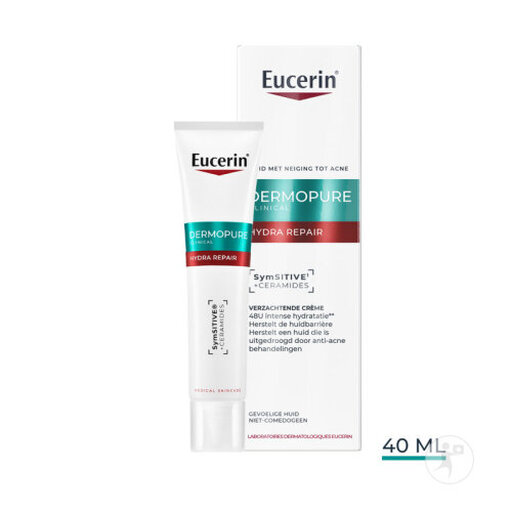
Why This Fits Their Persona: Specifically for users whose skin is extremely dry, irritated, and sensitive due to medical acne treatments (e.g., with Isotretinoin or Benzoyl Peroxide) and requires intensive, restorative care.
This product is the direct antidote to the "aggressive ingredients" problem. It contains no clarifying acids, focusing entirely on alleviating dryness and irritation with Ceramides, Panthenol, and Licochalcone A.
Provides intense moisture and helps repair the skin barrier damaged by treatments. The formula is fragrance-free and hypoallergenic to minimise the risk of irritation.
We have compiled a complete, up-to-date list of products that fully meet these strict selection criteria and comply with current safety regulations.
Generally, it is recommended to apply it twice daily, morning and evening, after cleansing your face. Consistency is key to maintaining the skin's moisture balance and strengthening the skin barrier in the long term.
A suitable moisturiser is a fundamental building block of any skincare routine for blemish-prone skin. It supports the skin barrier, provides necessary hydration, and can contain soothing or sebum-regulating ingredients. For persistent acne, however, it is usually part of a more comprehensive strategy that should also include special cleansers, serums, and, most importantly, daily sun protection.
The "non-comedogenic" label indicates that a product has been formulated to minimise the likelihood of clogging pores. It is an important guideline, but not an absolute guarantee. Every skin reacts individually to ingredients. What works for one person may still cause reactions in another.