
Lieferung heute & morgen

Qualitätsgarantie

Willkommens-Angebote freischalten: KOSTENLOSE Lieferung | Bis zu 80 % RABATT | Kostenlose 30-Tage-JoyPlus-Testphase
App herunterladen
The search for the perfect moisturizer can feel like a never-ending task. The market is vast, and marketing promises make it difficult to distinguish between hype and genuine effectiveness. As a Joybuy Product Recommendation Officer, I see which products are on the market every day and what pitfalls lead to regrettable purchases. Before you invest, you should be aware of the most common marketing traps that often lead to disappointment.
The 3 Most Common Pitfalls When Buying a Moisturizer:
To make an informed decision, it helps to understand the fundamental principles of a good moisturizer. Three parameters are of central importance.
An effective moisturizer works on three levels to regulate the skin's water balance. Look for a balanced mix of these active ingredient groups:
The skin barrier is the outermost protective layer of your skin. When it's intact, it protects against external aggressors and keeps moisture locked in. A weakened barrier leads to dryness, redness, and sensitivity. A good barrier-strengthening cream contains ingredients that specifically support this structure. These include:
Especially for sensitive skin, the formulation is crucial. Irritating ingredients can further weaken the skin barrier and worsen problems like dryness. A fragrance-free face cream, free of added dyes and high concentrations of denatured alcohol, is often the safer choice. This also applies to those looking for an anti-aging cream, as mature skin tends to be more reactive.
Based on the criteria above, we have selected a few products from our range that are suitable for different user profiles and needs.
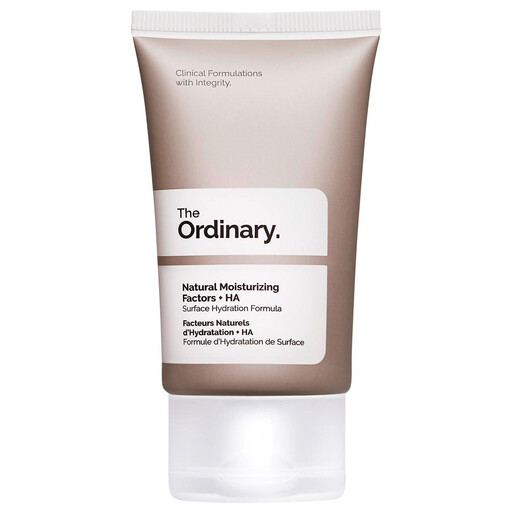
Why This Fits Their Persona: Ideal for anyone seeking straightforward, effective, and budget-friendly foundational skincare. The cream delivers exactly what it promises: solid hydration without unnecessary additives or marketing fluff.
This cream bypasses the "Active Ingredient Percentage Trap" by focusing on a blend of skin-native Natural Moisturizing Factors (NMF) rather than promoting a single ingredient.
Offers non-greasy surface hydration with amino acids, fatty acids, and hyaluronic acid. The formula is free of fragrance and silicones.
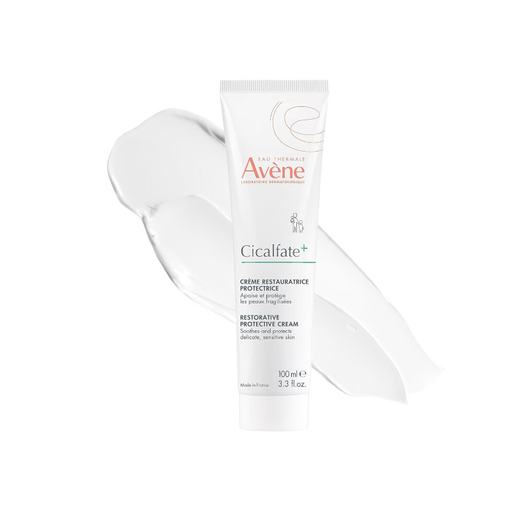
Why This Fits Their Persona: Perfect for individuals with dry, irritated, or sensitive skin who need soothing and protective care to support skin regeneration. A reliable choice from the world of dermatological skincare.
This product sidesteps the "Clean Beauty" hype, opting for a clinically-oriented formula. The focus is on a postbiotic active ingredient, [C+-Restore], derived from Avène Thermal Spring Water.
Supports epidermal regeneration and soothes irritation. The formula is designed for high tolerability and is suitable for the whole family.
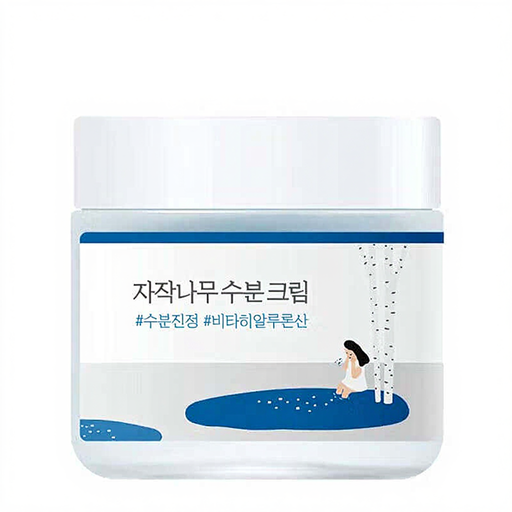
Why This Fits Their Persona: For lovers of Korean moisturizers who want intense hydration without a heavy feel. The innovative texture is ideal for all skin types, including combination or oily skin.
This cream debunks the "richer is better" myth. It proves that a lightweight moisturizer with the right ingredients, like birch sap and hyaluronic acid, can provide deep hydration.
The formula with Birch Sap (Betula Platyphylla Japonica Juice) and hyaluronic acid provides long-lasting moisture. Its capsule-like texture absorbs quickly, leaving the skin feeling refreshed.
We have compiled a complete, real-time updated list of products that fully meet these strict selection criteria and rigorous safety standards.
For most skin types, applying twice daily is recommended: in the morning after cleansing and before sunscreen, and in the evening as the final step of your skincare routine. For very dry skin or in dry environments, an additional application throughout the day may be beneficial.
Yes, certain ingredients can be comedogenic and lead to blemishes on breakout-prone skin. If you are prone to clogged pores, look for products labeled "non-comedogenic" and opt for lighter textures like gels or lotions. Ingredients such as squalane or jojoba oil are generally considered less comedogenic than, for example, coconut oil.
Day creams often have a lighter texture, absorb quickly, and serve as a good base for makeup. Many also contain a sun protection factor (SPF) or antioxidants to protect against environmental aggressors. Night creams are typically richer and contain higher concentrations of regenerating actives like retinoids or peptides, as the skin is in repair mode overnight.