
Lieferung heute & morgen

Qualitätsgarantie

Willkommens-Angebote freischalten: KOSTENLOSE Lieferung | Bis zu 80 % RABATT | Kostenlose 30-Tage-JoyPlus-Testphase
App herunterladen
By: Joybuy Product Recommendation OfficerDate: August 29, 2026
Dry skin that feels tight, itchy, or flaky is more than just a cosmetic concern; it affects your daily comfort. The market for moisturizers is vast and overwhelming. Many products promise quick relief, but not all deliver on their promises. This guide will help you identify the crucial factors and make an informed choice based on objective criteria rather than marketing hype.
Before making a purchase, it's important to recognize common marketing traps that often lead to unsuitable buys.
To find a suitable cream for very dry skin, focus on the following objective criteria that determine a product's success.
An effective moisturizer combines three types of ingredients to provide comprehensive care for the skin:
A good face cream for dry skin or body lotion for dry skin contains a thoughtful blend of at least two of these three categories.
Chronically dry and sensitive skin often suffers from a compromised skin barrier. Instead of just alleviating symptoms, a good skincare product should aim to repair and strengthen this barrier. Ingredients that support this function are crucial for long-term improvement. Look for:
A cream's texture is not purely a cosmetic aspect; it influences its suitability for different skin types and applications.
Here are some products that are suitable for different needs, based on their formulation and intended use.
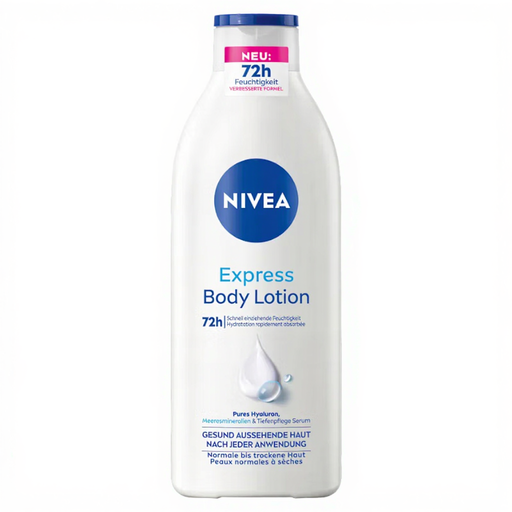
Why This Fits Their Persona: Ideal for users seeking a straightforward, fast-absorbing, and budget-friendly solution for daily, all-over body hydration.
The formula combines the humectant glycerin with the NIVEA Deep Moisture Serum and sea minerals. It doesn't rely on a single ingredient but on a proven combination for basic hydration.
The lightweight texture absorbs quickly without leaving a sticky film. The 400ml bottle offers excellent value for money for daily use.
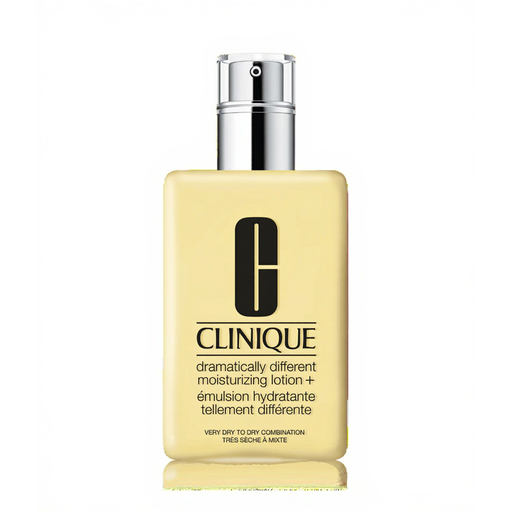
Why This Fits Their Persona: Suitable for individuals who want a reliable, dermatologist-developed, and fragrance-free face cream for very dry to dry combination skin.
This product focuses on strengthening the skin barrier rather than following a short-lived trend. According to the manufacturer, it strengthens the barrier by 54%, emphasizing a long-term focus on skin health.
The formula is fragrance-free and allergy-tested, reducing the risk of irritation for sensitive skin. The combination of humectants (Glycerin, Urea) and occlusives (Petrolatum, Mineral Oil) is a classic approach for dry skin.
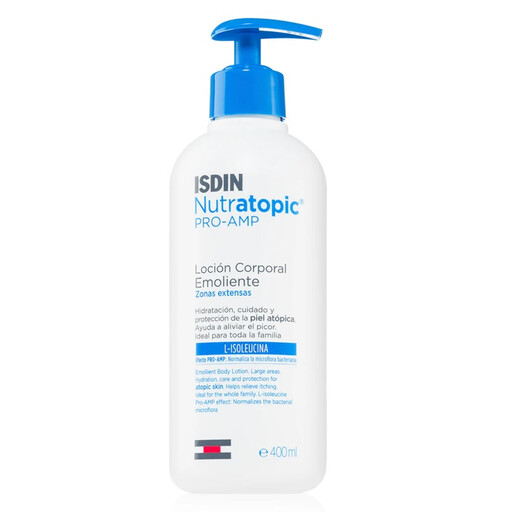
Why This Fits Their Persona: Designed for people with atopic, very dry, and sensitive skin who need a product that not only moisturizes but also soothes irritation and actively repairs the skin barrier.
This product goes beyond simple moisturization to address the core problems of compromised skin. It relies on a combination of barrier-supporting actives like ceramides and niacinamide, rather than a single trendy ingredient.
The formulation with ceramides, niacinamide, and Laureth-9 is specifically designed to restore the skin barrier and relieve itching. Dermatologically tested on atopic skin.
We have compiled a complete, up-to-date list of products that fully meet these strict selection criteria and current regulations.
For continuous hydration, it is recommended to apply skincare twice daily—morning and evening—to cleansed skin. If needed, such as after washing your hands or when experiencing significant tightness, the cream can also be applied in between.
It is not generally advisable. A body lotion for dry skin is often richer, more heavily fragranced, and may contain ingredients that are unsuitable for the more delicate facial skin and could clog pores. A dedicated face cream for dry skin is tailored to the specific needs of the face.
A hydrating serum has a lighter, often liquid or gel-like consistency and contains a high concentration of active ingredients designed to penetrate deep into the skin. A cream for dry skin is typically richer and forms a protective layer on the skin to lock in moisture (including that from the serum). for optimal results on dry skin, both products are often used in sequence: first the serum, then the cream.