
Lieferung heute & morgen

Qualitätsgarantie

Willkommens-Angebote freischalten: KOSTENLOSE Lieferung | Bis zu 80 % RABATT | Kostenlose 30-Tage-JoyPlus-Testphase
App herunterladen
Finding the right moisturizer can feel like a never-ending quest. Shelves are packed with products promising miraculous results, but vague marketing messages and exaggerated claims often lead to disappointment and wasted money. Many creams don't deliver on their promises or are simply unsuitable for your skin type.
As your Joybuy Product Recommendation Officer, I'm here to help you spot the common pitfalls and make an informed decision. Let's focus on what really matters, not on empty marketing hype.
To make the right choice, it helps to understand the fundamental building blocks of an effective moisturizer. Focus on these three core parameters to separate the wheat from the chaff.
A good moisturizer typically combines three types of ingredients to provide optimal care for the skin:
Texture isn't just a cosmetic aspect; it's crucial for functionality.
If you're prone to redness, irritation, or allergies, a close look at the ingredient list is essential. A good moisturizer for sensitive skin should ideally be free of:
Here are some product recommendations tailored to specific user profiles that avoid the pitfalls mentioned above.
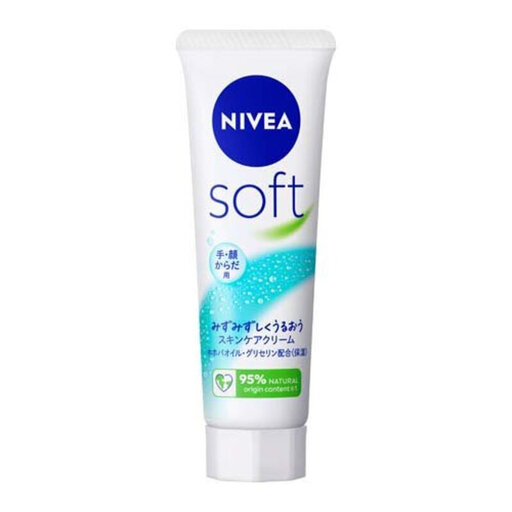
Why This Fits Their Persona: Ideal for users looking for reliable, straightforward, and budget-friendly base care for the face, hands, and body. Perfect for normal skin without special needs.
This cream sidesteps the "miracle ingredient" pitfall by relying on a proven formula with glycerin and jojoba oil that provides effective moisture without making over-the-top claims.
Very lightweight, water-based texture that absorbs quickly and isn't sticky. Versatile for use as a face, body, and hand cream.
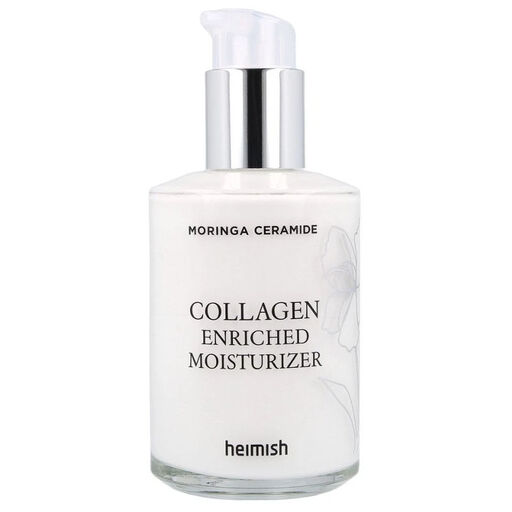
Why This Fits Their Persona: Perfect for users with dry, dehydrated, or stressed skin who want to strategically rebuild their natural protective barrier. A great example of effective Korean skincare.
Instead of focusing on a single ingredient, this ceramide cream strategically combines moringa extract, ceramides, and collagen to synergistically and effectively strengthen the skin barrier.
Nourishing formula to improve skin elasticity and firmness. Aims to replenish and maintain the skin's moisture content.
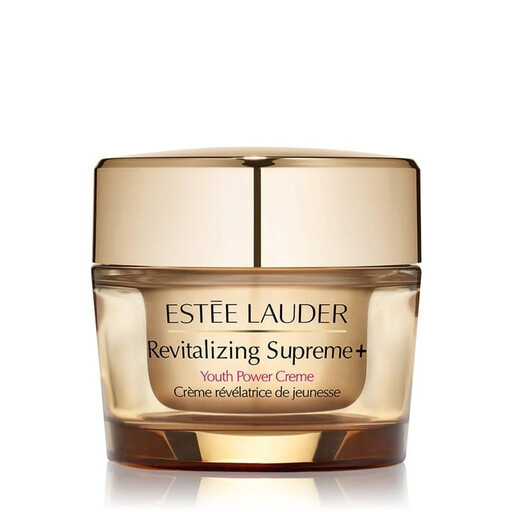
Why This Fits Their Persona: For users seeking a multifunctional anti-aging cream that specifically targets signs of aging like lines, wrinkles, and loss of firmness, and who are willing to invest in a premium formula.
This cream doesn't rely on vague promises but on a proven formula with moringa extract, which the manufacturer claims helps optimize the skin's natural cell renewal.
Aims to visibly improve skin's firmness, density, and elasticity. The silky texture provides intense moisture for a comfortable feel.
We've compiled a complete, up-to-date list of products that fully meet these strict selection criteria and safety standards.
1. How often should I apply moisturizer? For most skin types, applying it morning and evening after cleansing is ideal. In the morning, the cream protects the skin from environmental stressors, while at night, it supports regeneration. For very dry skin or in dry climates, an additional application throughout the day may be beneficial.
2. Can a moisturizer go bad? Yes. Look for the open jar symbol on the packaging (PAO - Period After Opening). It indicates how many months the product is good for after opening, typically 6, 12, or 24 months. A change in smell, color, or consistency is a clear sign that the cream should no longer be used.
3. What is the difference between a day cream and a night cream? Day creams often have a lighter texture, absorb quickly, and sometimes include a sun protection factor (SPF) to protect the skin from UV radiation. Night creams are typically richer and contain higher concentrations of regenerative active ingredients like retinoids or peptides, as the skin is in repair mode overnight. They do not contain SPF.