
Lieferung heute & morgen

Qualitätsgarantie

Willkommens-Angebote freischalten: KOSTENLOSE Lieferung | Bis zu 80 % RABATT | Kostenlose 30-Tage-JoyPlus-Testphase
App herunterladen
Moisturising oily skin can often feel like a contradiction. The fear that a cream might increase shine or cause breakouts often leads people to skip this crucial step. However, oily skin in particular requires balanced hydration to avoid stimulating even more excess sebum production.
However, choosing the right product is made difficult by marketing promises. Many creams fail to deliver, leading to disappointment. Before you make a decision, it's essential to understand the most common pitfalls.
To make an informed decision, you should focus on objective criteria rather than marketing claims. The following three parameters are crucial for selecting an effective moisturiser for oily skin.
Texture is the first indicator of a cream's suitability for oily skin. Heavy, occlusive creams are generally unsuitable. Instead, look for lightweight formulations that absorb quickly and leave no sticky residue.
The term "non-comedogenic" is key here. It means the formulation is designed not to clog pores. Look for ingredients known for their beneficial properties for oily and blemish-prone skin:
A good face cream for blemish-prone skin should not only moisturise but also help improve the skin's appearance. A mattifying cream often contains ingredients like silica or kaolin, which absorb excess sebum and provide a matte finish.
A pore-refining cream typically works via two mechanisms: it keeps pores clean with mild exfoliating agents (like glycolic or salicylic acid) and can temporarily minimise the appearance of pores with astringent ingredients.
Based on the criteria above, we have identified several products suitable for different needs and skin profiles.
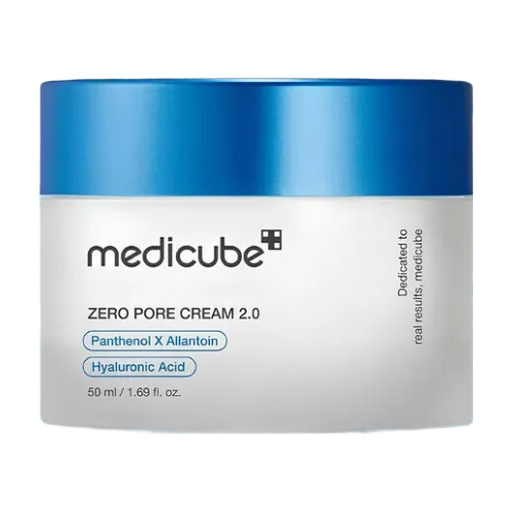
Why This Fits Their Persona: For users whose main concern is improving skin texture and minimising the appearance of pores. This cream combines active exfoliation with hydration.
Avoids the "wrong texture" trap by maintaining a lightweight consistency despite its active-rich formula, absorbing well and controlling sebum production instead of congesting pores.
Contains Glycolic Acid (AHA) to remove dead skin cells and promote a smoother texture. Hyaluronic Acid simultaneously provides the necessary moisture balance.
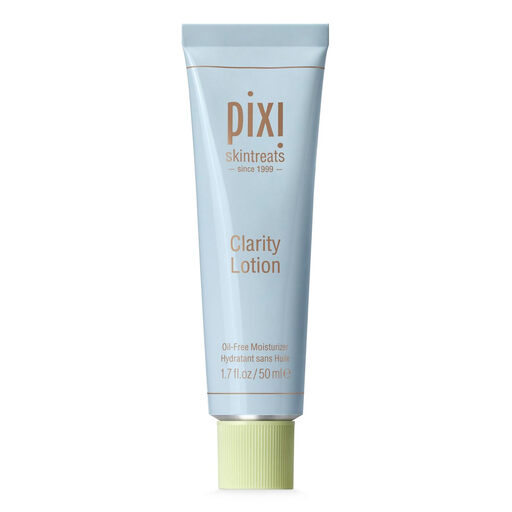
Why This Fits Their Persona: Perfect for daily use to keep shine under control. This lotion is a straightforward, water-based solution for anyone seeking a mattifying yet hydrating moisturiser.
Addresses the "oil-free fallacy" with a smart combination: its oil-free base is enhanced with Salicylic Acid for clarification, Kaolin to absorb oil, and Hyaluronic Acid for hydration.
The water-based formula provides moisture without being greasy. Ceramides support the skin barrier, while Aloe Vera and Cucumber Extract soothe and refresh.
We have compiled a complete, up-to-date list of products that fully meet these strict selection criteria and German safety regulations.
Yes, absolutely. Cold air and dry indoor heating strip moisture from the skin, which can lead to dehydration even in oily skin types. This can actually stimulate even more sebum production. In winter, it can be beneficial to stick with your lightweight moisturiser and, if needed, layer it with a hydrating serum (e.g., with Hyaluronic Acid) to create an additional layer of hydration.
Pore size is genetically determined and cannot be permanently changed. A pore-refining cream works by keeping the pores clean and free of dead skin cells and sebum, which makes them less visible. Ingredients like Niacinamide or mild acids can support the elasticity of the pore walls, making them appear smaller. The result is a more refined complexion, but not a permanent reduction in pore size.
Patience is a key factor in skincare. The skin renewal cycle takes about 28 days. To notice a visible change in sebum production or skin texture, consistent use over a period of at least 4 to 8 weeks is necessary. Short-term effects like mattification or a hydrated feel can be immediate, but for structural improvements, the skin needs time.