
Lieferung heute & morgen

Qualitätsgarantie

Willkommens-Angebote freischalten: KOSTENLOSE Lieferung | Bis zu 80 % RABATT | Kostenlose 30-Tage-JoyPlus-Testphase
App herunterladen
A Moka Pot is a manual Italian coffee maker that brews coffee directly on the stovetop. In Germany, it is also commonly known as an espresso maker or stovetop coffee maker. However, colour and brand name are not the only factors to consider before buying. Hob compatibility, cup size and cleaning requirements determine whether a model is truly suitable for everyday use.
The capacity of a Moka Pot generally refers to small Italian espresso cups. Depending on the model, a 6-cup version may hold around 270 to 300 ml. That is not the same as six large mugs of filter coffee. If you only want to prepare one serving in the morning, a 1- to 2-cup Moka Pot is usually the better choice.
A classic aluminium espresso maker generally works on gas, electric, ceramic and, in some cases, halogen hobs—but not directly on an induction cooktop. Induction requires a magnetic base. Look for an explicit indication such as “suitable for induction”. A separate adapter may be an option, but not every Moka Pot is designed for use with one, and it can affect handling.
Many Moka Pots are not dishwasher-safe. Detergents and high temperatures can damage seals and surfaces and may affect the coffee’s flavour. For many models, rinsing with water and drying thoroughly is the recommended care routine. Replacement parts such as the sealing ring and filter screen should be available if the espresso maker is used regularly.
Before placing your order, compare your hob type with the manufacturer’s specifications:
The manufacturer’s “cup” measurement is more useful than the millilitre figure alone. As a general guide:
A Moka Pot should ideally be used with the specified amount of water and coffee grounds. Filling the coffee basket only partway does not automatically produce a smaller serving and can affect the brewing process.
Aluminium conducts heat quickly and is widely used in classic models. It should generally be cleaned by hand with water. Stainless steel is often more versatile and, in certain designs, suitable for induction. The specific product description remains decisive, as material combinations and hob approvals vary.
Also look for:
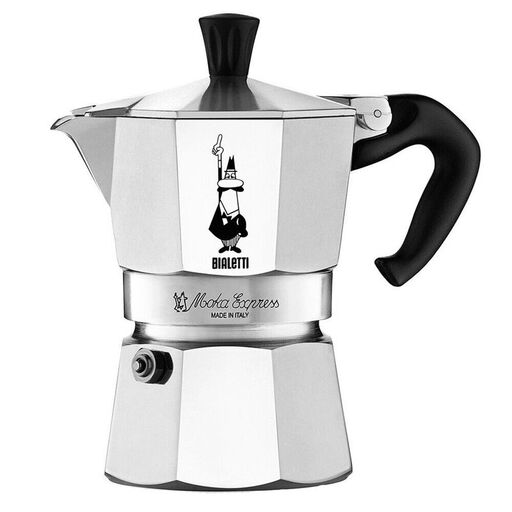
Why this model is a good fit: Its compact size is ideal for individuals, small kitchens or the office. The aluminium body is specified for gas, electric and ceramic hobs, but not for induction.
The stated 2-cup capacity helps prevent regularly brewing more coffee than needed. Its lack of induction compatibility should be taken into account before purchase.
Classic aluminium design, manual operation and a removable filter screen. Hand-wash only.
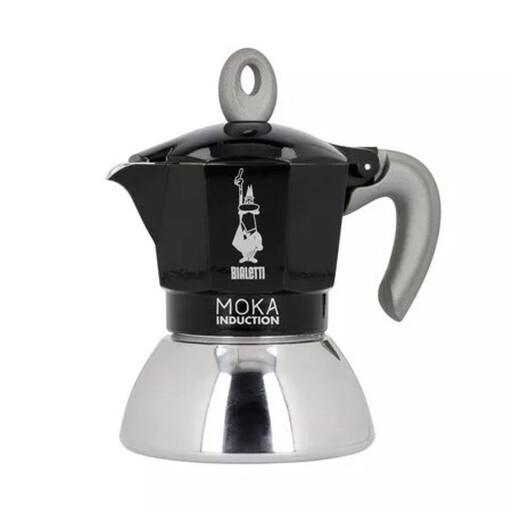
Why this model is a good fit: This version is designed for electric, gas and induction hobs and holds around 300 ml. That makes it suitable for preparing several small servings in a single brew.
Unlike many classic aluminium pots, induction compatibility is explicitly included in the product specifications. Even so, the capacity should be matched to your actual needs.
300 ml capacity and compatibility with gas, electric and induction hobs according to the product information. Not dishwasher-safe.
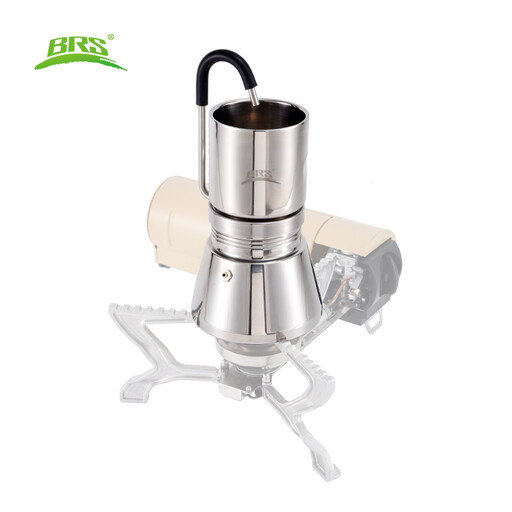
Why this model is a good fit: The stainless-steel construction is designed for camping stoves, spirit burners, gas hobs and suitable open fire pits with a grate. With a 250 ml capacity, it is suitable for several small servings on the go.
Its suitability for outdoor use is clearly specified. Nevertheless, the pot must only be used on a stable, level surface and never left unattended.
Food-grade stainless steel, a 250 ml capacity and a lid that closes securely according to the product description. Allow it to cool completely before opening.
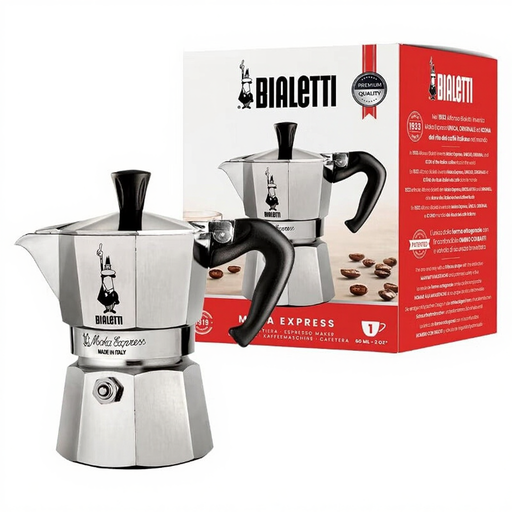
Why this model is a good fit: Its stated 270 ml capacity and suitability for gas, ceramic and electric hobs make this stovetop coffee maker an appealing choice for households with several coffee drinkers.
The specific millilitre figure supplements the cup measurement. According to the product data, this aluminium model is not designed for induction.
Octagonal aluminium body, 270 ml capacity and manual preparation in just a few simple steps. Not dishwasher-safe.
Fill the lower chamber with water up to the level of the safety valve. Place the coffee grounds loosely in the filter basket without tamping them down. Then screw the upper and lower sections together securely. Heat the pot over medium heat and remove it from the hob as soon as the coffee begins to rise audibly and the characteristic bubbling starts.
Allow the Moka Pot to cool before opening it. Rinse the individual parts with water according to the manufacturer’s instructions and dry them thoroughly. Regularly check the seal, filter and safety valve. If you notice cracks, a loose handle or a damaged seal, stop using the appliance.
We have put together a current selection of stovetop espresso makers so you can compare capacity, material and hob compatibility at a glance.
In everyday usage, the two terms are generally used interchangeably. Technically, a Moka Pot brews coffee under pressure on the stovetop. The result is not identical to espresso made with a portafilter machine, as the pressure and brewing method differ.
For induction, you need a model explicitly approved for use on induction hobs, such as a stainless-steel Moka Pot or a pot with an induction-compatible base. According to the product data cited above, the classic aluminium Bialetti Moka Express is not directly suitable for induction. Check the manufacturer’s specifications before buying.
Its service life depends on the material, frequency of use and care. The body may remain usable for many years, while the sealing ring and filter screen are typical wear parts. Regular rinsing, thorough drying and inspection of the safety valve help support safe use.