
Lieferung heute & morgen

Qualitätsgarantie

Willkommens-Angebote freischalten: KOSTENLOSE Lieferung | Bis zu 80 % RABATT | Kostenlose 30-Tage-JoyPlus-Testphase
App herunterladen
By Joybuy Product Recommendation Officer, August 30, 2026
For many, the aroma of freshly brewed coffee from a classic stovetop espresso maker is the epitome of the Italian way of life. However, purchasing a moka pot can quickly lead to disappointment if you don't pay attention to the crucial details. Many buyers only realise at home that their new stovetop pot doesn't work on their hob or that the stated cup capacity doesn't meet their expectations.
Before you make a decision, it's important to understand the most common pitfalls, which are often masked by marketing promises. This guide will help you navigate these issues and find a model that truly fits your needs and your kitchen.
To find the right Italian coffee maker, you should carefully examine three technical features. These determine the functionality, durability, and success of your coffee.
The choice of material has a direct impact on taste, handling, and compatibility.
Before buying, always check the product description for suitability with your stovetop type.
Don't be misled by the cup count. Instead, use the capacity in millilitres (ml) to find the right size for you.
Instead of presenting an overwhelming list, we have selected models tailored to specific user profiles that avoid the pitfalls mentioned earlier.
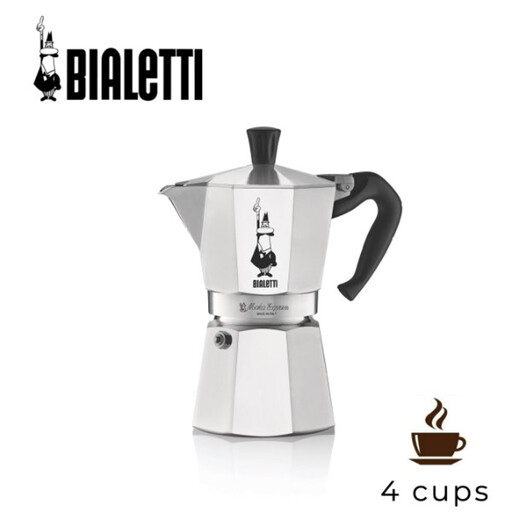
Why This Fits Their Persona: Ideal for anyone seeking the authentic coffee experience, proven since 1933. The 4-cup size is a versatile compromise for daily use, whether alone or with a partner.
This model is the archetype of the moka pot. Its proven Bialetti quality, complete with a patented safety valve, avoids the material and safety flaws of cheaper knock-offs.
Made from durable aluminium for even heat distribution. The octagonal design is not only iconic but also optimises heat absorption.
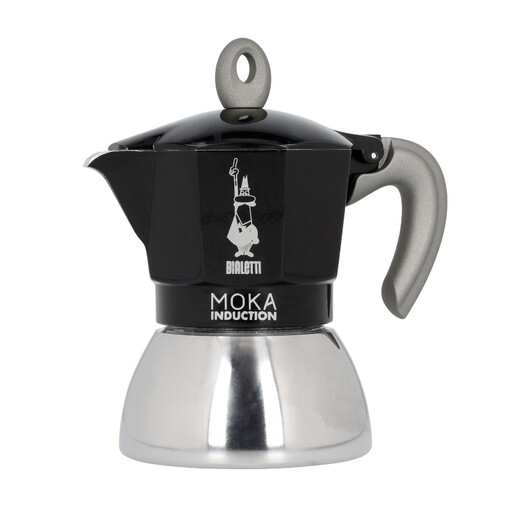
Why This Fits Their Persona: Perfect for coffee lovers with a modern kitchen who don't want to give up the traditional brewing ritual. This model elegantly solves the compatibility problem.
This model bypasses the induction trap with a stainless steel boiler suitable for all stovetops. No separate adapter plate is needed.
The bi-layer technology combines a stainless steel boiler with a classic aluminium collection chamber. This ensures full induction compatibility while maintaining traditional brewing characteristics.
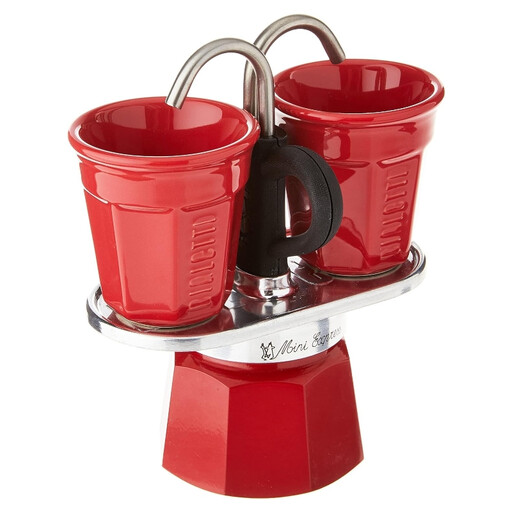
Why This Fits Their Persona: For couples or individuals who celebrate the preparation process. The coffee flows directly into the included cups, creating a unique and stylish experience.
This model makes the cup size explicit: it's designed for two small espresso cups, thus avoiding any misunderstanding about the coffee volume. The cups are pre-warmed directly on the platform.
An innovative design that serves coffee directly into the cups. This ensures an optimal drinking temperature and turns serving into a special moment.
We have compiled a complete, up-to-date list of products that fully meet these strict selection criteria and rigorous safety standards.
Most manufacturers, especially for aluminium models like the Bialetti Moka Express, recommend rinsing the pot with only warm water after it has cooled down. Do not use washing-up liquid or place the pot in the dishwasher. This could damage the aluminium and remove the flavour-enhancing patina that forms inside. Dry all parts thoroughly before screwing them back together.
A bitter taste can have several causes. Common reasons include:
No. Only moka pots with a ferromagnetic base are suitable for induction hobs. These are typically models made of stainless steel or special bi-layer models. Look explicitly for the "suitable for induction" or "Induction" label in the product description. Classic aluminium pots will not work without an additional adapter plate.