
Lieferung heute & morgen

Qualitätsgarantie

Willkommens-Angebote freischalten: KOSTENLOSE Lieferung | Bis zu 80 % RABATT | Kostenlose 30-Tage-JoyPlus-Testphase
App herunterladen
A rich, aromatic coffee brewed in an iconic octagonal pot—the Moka pot, often called a stovetop espresso maker, is a symbol of Italian coffee culture. But when it comes to buying one, several pitfalls can quickly sour the experience. The wrong material, an unsuitable size, or incompatibility with your hob often leads to disappointment.
As your Joybuy Product Recommendation Officer, I'm here to help you sidestep these common mistakes. We'll look at what truly matters so you can find the perfect model for your home and enjoy authentic moka coffee.
Before we dive into the details, let's look at the three most common problems buyers face. Knowing them is the first step toward making the right choice.
To avoid buyer's remorse, you should check three core aspects before making a decision. These will largely determine the functionality and longevity of your Moka pot.
The choice of material is a fundamental decision with a direct impact on handling and taste.
This is the most critical technical point. Before buying, always check which type of hob the pot is designed for.
The size is specified in espresso cups. To find the right size, use the desired final volume in millilitres as your guide:
Consider whether you usually make coffee just for yourself or regularly for several people. For a large mug of coffee in the morning, a 4- or 6-cup model is often the right choice.
Here are some recommendations tailored to different needs and households.
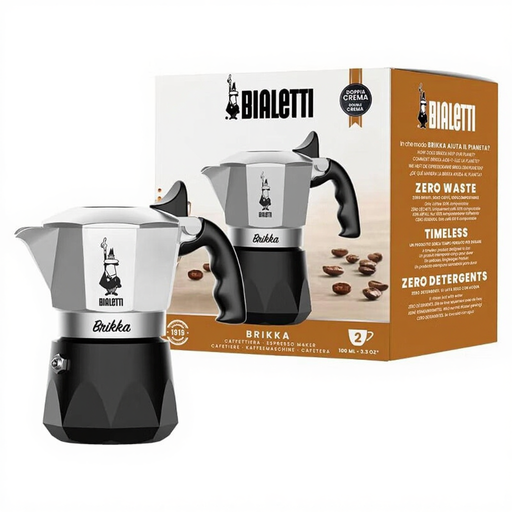
Why This Fits Their Persona: For lovers of authentic flavour who appreciate an espresso with a dense crema, just like one from a portafilter machine. The Brikka is the evolution of the classic, specifically designed to achieve this goal.
This model focuses on a specific result (crema), thereby avoiding the compromises of more general-purpose pots. It's clearly positioned for gas/electric stovetops, thus sidestepping the induction trap.
The special pressurised valve system creates a more intense extraction and a stable crema, which isn't possible with standard Moka pots.
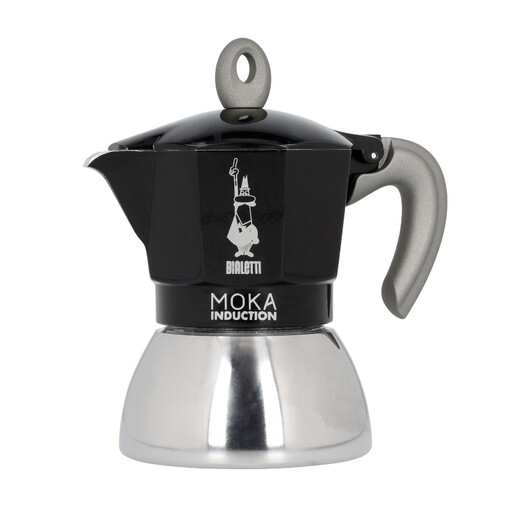
Why This Fits Their Persona: Perfect for anyone with a modern kitchen featuring an induction hob who doesn't want to miss out on the traditional moka experience. The design blends classic form with modern technology.
This model solves the core problem of induction incompatibility with its stainless steel boiler. The clear "Moka Induction" labelling prevents the most common purchasing mistake.
The bi-material construction (aluminium top, stainless steel base) combines the excellent heat conduction of aluminium in the coffee funnel with the induction-compatibility of stainless steel.
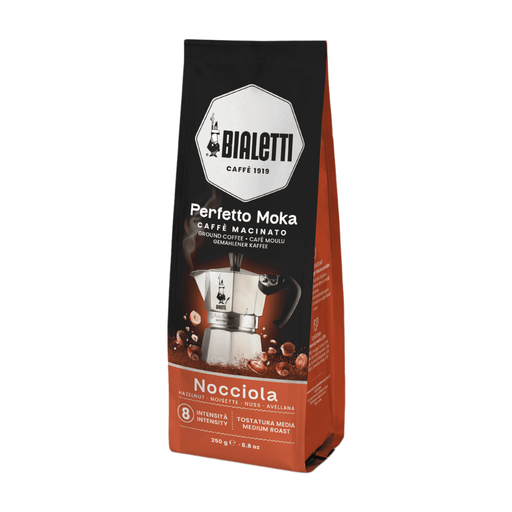
Why This Fits Their Persona: For those who love their moka coffee but enjoy trying new flavours. This coffee is already perfectly ground for a Moka pot and infused with a delicate hazelnut aroma.
A common mistake is using coffee that's ground too finely or too coarsely. This ground moka coffee has the exact right grind size for a stovetop espresso maker, ensuring optimal extraction.
Offers an easy way to add variety to your coffee's flavour profile without needing syrups or additional flavourings. The blend of Robusta and Arabica beans provides a full body.
We've curated a complete, up-to-date list of products that fully meet these strict selection criteria and rigorous safety standards.
1. Why doesn't my new Moka pot work on my induction hob? This is most likely due to the material. Traditional aluminium Moka pots are not magnetic and therefore won't be detected by an induction hob. You need a model with a ferromagnetic base that is explicitly labelled as "suitable for induction" or "induction Moka pot," such as the Bialetti Moka Induction series.
2. What is the right grind size for a Moka pot? The ideal grind for a stovetop espresso maker is finer than for filter coffee but coarser than for a portafilter machine. A consistency similar to fine table salt is a good benchmark. Fill the filter basket loosely and do not tamp the coffee grounds down. For full control, you can use a coffee grinder like the HiBREW G5 to precisely adjust the grind size.
3. How do I properly clean an aluminium Moka pot? Proper care is crucial for longevity and taste. After the pot has cooled, unscrew it and rinse all parts with warm water only. Do not use soap or put it in the dishwasher, as this will corrode the aluminium and destroy the protective patina. Dry all parts thoroughly before reassembling.