
Lieferung heute & morgen

Qualitätsgarantie

Willkommens-Angebote freischalten: KOSTENLOSE Lieferung | Bis zu 80 % RABATT | Kostenlose 30-Tage-JoyPlus-Testphase
App herunterladen
A moka pot, often called a stovetop espresso maker, is for many the epitome of enjoying Italian-style coffee at home. The preparation is a ritual, the aroma is unmistakable, and the result is a strong, aromatic coffee. However, the buying process has pitfalls that can quickly lead to disappointment and buyer's remorse. As your Joybuy Product Recommendation Officer, I'll help you navigate these hurdles and find the perfect model for your needs.
The three most common mistakes buyers make are quickly identified:
To avoid a bad purchase, you should check three core aspects before making a decision. These determine not only the functionality but also the longevity and safety of your new stovetop pot.
The choice of material has a direct impact on taste, maintenance, and potential uses.
The size specification for moka pots refers to the number of small espresso cups they produce, not large coffee mugs. A typical espresso cup holds about 50–60 ml.
Measure your desired volume before buying to find the right size for your household.
This is one of the most critical points. Before purchasing, be sure to check the product description for suitability with your type of stovetop.
Instead of presenting an overwhelming list, we have selected models for specific user profiles that cover typical use cases.
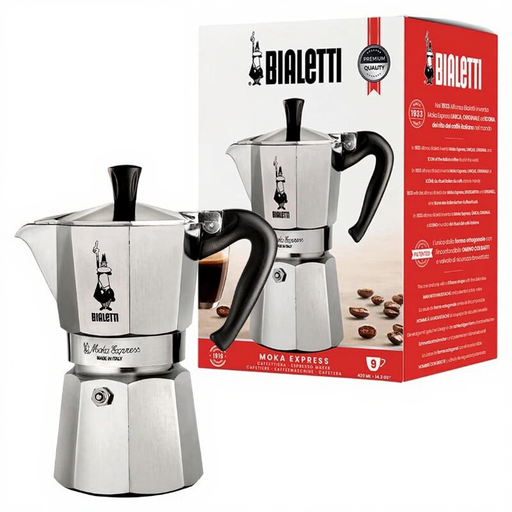
Why This Fits Their Persona: For those who want to celebrate the authentic ritual of Italian coffee making, a tradition proven since 1933. The iconic design is a classic in any kitchen.
This model avoids the trap of uncertain quality. As an original Bialetti, spare parts like gaskets and filters are available long-term, maximizing its lifespan.
Made from aluminum for classic flavor development. Patented safety valve for secure handling.
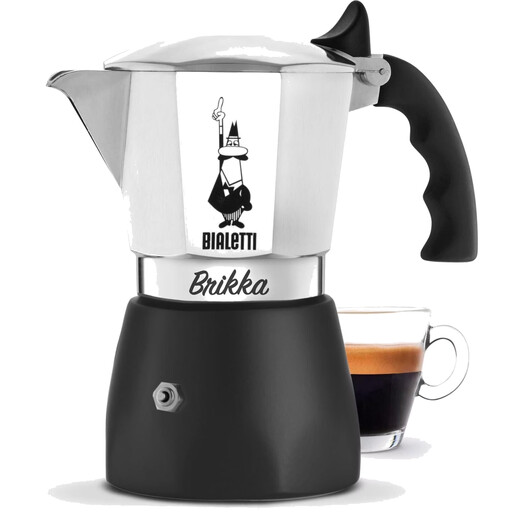
Why This Fits Their Persona: For coffee drinkers who want a rich crema from their stovetop pot, rivaling the results from a portafilter machine.
The Bialetti Brikka avoids the disappointment of a missing crema. Its special pressure valve is engineered specifically for this purpose, delivering a visibly different result than standard models.
Patented pressure valve system for a dense, hazelnut-brown crema. Includes a measuring cup for the correct water-to-coffee ratio.
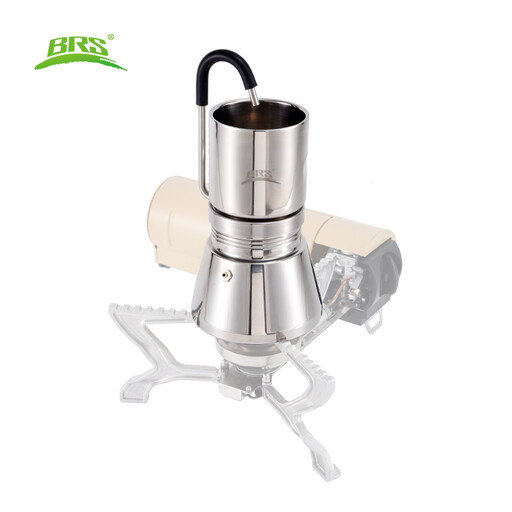
Why This Fits Their Persona: Ideal for campers, hikers, and anyone who doesn't want to miss out on a freshly brewed, strong coffee on the go. Robust and suitable for various heat sources.
This model avoids the pitfall of poor durability. Its stainless steel construction is more resistant to bumps and scratches than aluminum, making it better suited for transport in a backpack.
Made entirely from food-grade stainless steel. Compatible with gas stoves, alcohol burners, and even campfires (with a grate).
We have compiled a complete, up-to-date list of products that fully meet these strict selection criteria and safety standards.
After use, let the pot cool down completely. Unscrew it and dispose of the coffee grounds. Rinse all parts—especially with aluminum models—only with clear, warm water. Do not use dish soap, as it can damage the protective patina and affect the coffee's taste. Dry all parts thoroughly before reassembling the pot. Stainless steel pots are often easier to care for and sometimes dishwasher-safe (check the manufacturer's instructions).
A bitter taste can have several causes:
There is no one-size-fits-all answer; it depends on your priorities.
If you have an induction stovetop or value dishwasher-safe convenience, a stainless steel moka pot is often the more practical solution. For purists who cherish the classic ritual, the aluminum pot remains the top choice.