
Lieferung heute & morgen

Qualitätsgarantie

Willkommens-Angebote freischalten: KOSTENLOSE Lieferung | Bis zu 80 % RABATT | Kostenlose 30-Tage-JoyPlus-Testphase
App herunterladen
A moka pot, often called a stovetop espresso maker, is for many coffee lovers the epitome of Italian coffee culture at home. The preparation is a ritual, the result a strong, aromatic coffee. However, choosing the right model can quickly lead to disappointment. Many buyers fall into avoidable traps, ranging from incompatible stovetop types to incorrect size expectations.
This guide will help you navigate the typical pitfalls and make an informed decision that suits your kitchen and your coffee habits.
Before you decide on a model, you should be aware of the three most common issues that can lead to a bad purchase.
To find the right moka pot, focus on three objective parameters that determine functionality and satisfaction.
This is the most important criterion. Before buying, check what type of stovetop you have.
Ignore the cup count and focus on the capacity in millilitres (ml) to get the right amount of coffee for your needs.
Measure your favourite mug to determine what capacity you really need.
A good caffettiera is robust and safe. Look for a precisely crafted thread that screws on easily and tightly. A certified safety valve is essential to prevent over-pressurisation in the boiler. Brands like Bialetti use patented, easy-to-clean valves that ensure a high safety standard. The handle should be heat-resistant and ergonomically shaped to allow for safe handling.
Here are some models that represent a considered choice for different needs, based on objective criteria.
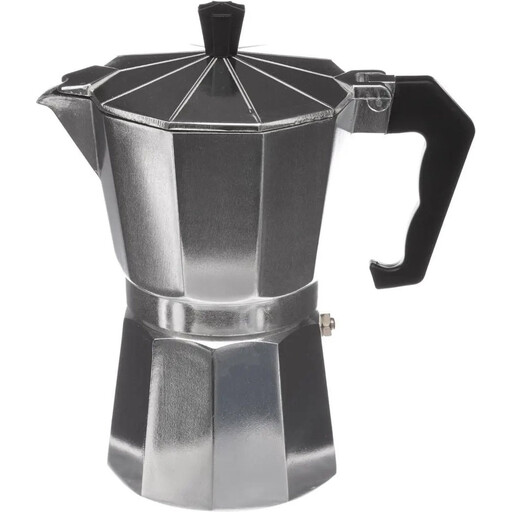
Why This Fits Their Persona: Ideal for students or beginners who want to try the moka pot ritual on a conventional electric or gas stove without a big investment. The 300 ml size is practical for a large cup of coffee in the morning.
This model is a deliberate choice for an aluminium model for standard stovetops. It bypasses the induction trap with a low price point, allowing for a risk-free entry. The clear specification of 300 ml avoids the cup size misunderstanding.
Excellent value for money. Classic aluminium construction for a traditional coffee-making experience. Suitable for gas, electric, and ceramic.
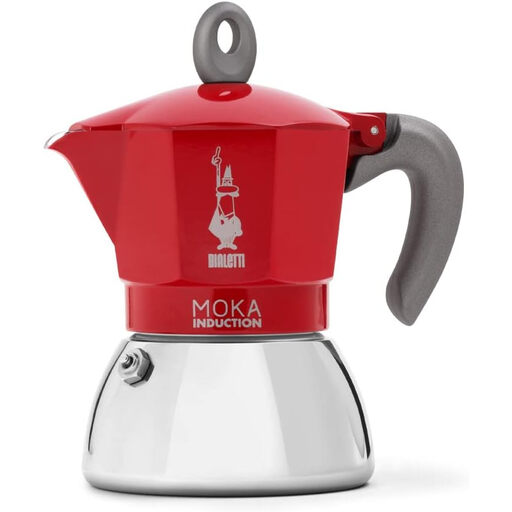
Why This Fits Their Persona: Perfect for design-conscious users with a modern kitchen. This model combines the iconic Bialetti design with the necessary technology for induction stovetops, offering maximum flexibility and style.
Directly solves the induction trap as it is designed for all stovetop types. The bi-material construction (stainless steel boiler, aluminium top) is a thoughtful solution that unites functionality with traditional aesthetics.
Full Compatibility: Suitable for all stovetops, including induction. Combination of durable stainless steel and lightweight aluminium.
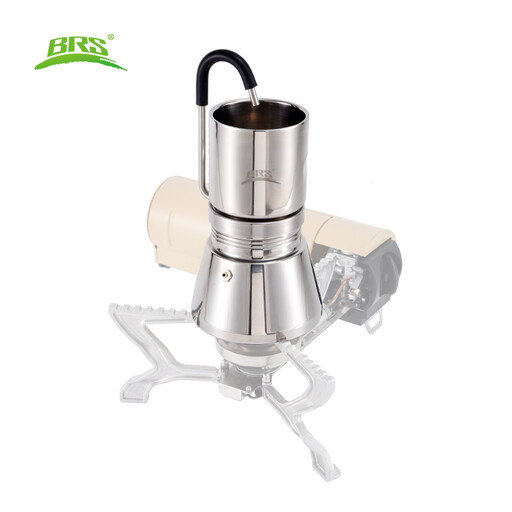
Why This Fits Their Persona: For anyone who doesn't want to miss out on a strong coffee while camping, hiking, or on the road. This model is extremely robust, compact, and optimised for use on gas stoves or over an open flame.
The construction from food-grade stainless steel completely bypasses the material dilemma. It is resistant to scratches and impacts and is easy to clean on the go, without having to worry about the delicate patina of aluminium.
Maximum Durability: Made entirely of stainless steel for a long lifespan under harsh conditions. Compatible with various heat sources like gas stoves and alcohol burners.
We have compiled a complete, up-to-date list of products that fully meet these strict selection criteria and safety regulations.
Cleaning depends on the material. Models made of aluminium should never be put in the dishwasher or cleaned with detergent. Simply rinse all parts with clear water after they have cooled down and dry them thoroughly. This allows a patina to form, which protects the coffee from a metallic taste. A stainless steel moka pot is easier to maintain. Many models are dishwasher-safe, but hand washing with a mild detergent is often recommended to preserve the gaskets. Always follow the manufacturer's instructions.
A bitter taste usually has three causes: too much heat, coffee grounds that are too fine, or tamping the grounds down too firmly. Use a medium grind and only loosely fill the funnel insert with coffee powder. Heat the pot on a medium setting and remove it from the stove as soon as the characteristic gurgling sound begins. This prevents the coffee from burning.
No, a conventional aluminium moka pot will not work directly on an induction stovetop. You need a special induction adapter plate for this. This plate is placed on the stovetop and heats up, transferring the heat to the pot placed on top of it. However, a more direct and energy-efficient solution is to buy a model that is designed for induction from the start.