
Lieferung heute & morgen

Qualitätsgarantie

Willkommens-Angebote freischalten: KOSTENLOSE Lieferung | Bis zu 80 % RABATT | Kostenlose 30-Tage-JoyPlus-Testphase
App herunterladen
A Moka pot, also known as a stovetop espresso maker, Moka pot or stovetop coffee maker, brews coffee using hot water and steam pressure. The result is stronger than filter coffee, although technically it is not the same as espresso made with a portafilter machine. Before buying, UK households should therefore consider more than just colour and brand. The key factors are hob type, capacity, material and how easy the pot is to clean.
“6 cups” does not mean six large mugs of coffee when referring to an Italian coffee pot. Depending on the model, one cup is roughly 30 to 50 ml. A 300 ml Moka pot is therefore suitable for several small servings or one to two larger cups. If you usually prepare just one serving, a Moka pot for 1 to 2 cups is generally a better fit.
A classic aluminium Moka pot will normally work on gas, electric and ceramic hobs, but not directly on induction. Induction hobs require a magnetic stainless steel base or a suitable adapter. The term “stovetop espresso maker” alone says nothing about hob compatibility. Always check the specific information provided for the model in question.
Many stovetop coffee makers are not dishwasher-safe. Cleaning products and high temperatures can affect surfaces, seals or the flavour of the coffee. Several of the models mentioned here are designed to be rinsed with water and then dried. The safety valve, filter and sealing ring should also be checked regularly for residue or signs of wear.
The size should match your actual needs:
As a rule, a Moka pot should be used with the intended amount of water. Half-filling the pot will not automatically produce the same result, as the filter and water chamber are designed for the relevant size.
Aluminium is widely used in classic models and is generally lightweight. However, it cannot automatically be used on an induction hob. Stainless steel is more versatile across different hob types and, in certain models, is suitable for induction. A combination of an aluminium upper section and stainless steel boiler gives some Moka pots the traditional design while also making them induction-compatible.
You should also look for a heat-resistant handle, a tightly closing screw thread and an easily accessible safety valve. Plastic components should not extend directly into the flame.
The base must match the hob. On gas, the flames should not extend beyond the base. On electric and ceramic hobs, a stable, level position is important. For induction, the product must be explicitly described as “induction-compatible”. Models such as the Bialetti Moka Express are designed in their classic versions for gas, electric and ceramic hobs; depending on the version, they require an adapter for induction. The Bialetti Moka Induction and New Venus, on the other hand, are designed for induction hobs.
To prepare the coffee, fill the pot with water up to the level of the safety valve, fill the filter with suitable ground coffee and screw the pot together firmly. The coffee grounds should not be pressed down firmly. As soon as the typical bubbling sound begins, remove the pot from the hob.
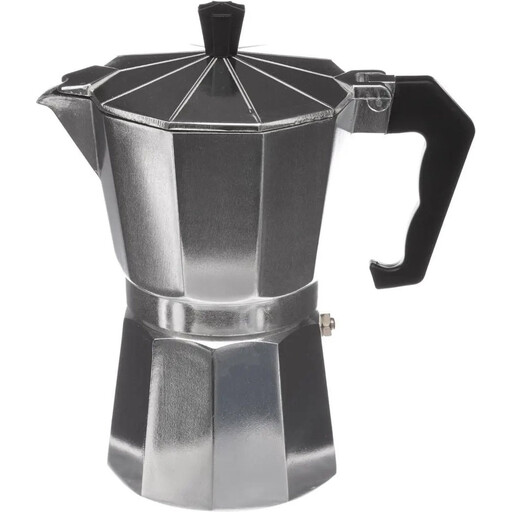
Why this product suits this profile: This pot has a capacity of approximately 300 ml and is specified for electric, gas, ceramic and halogen hobs. It is therefore suitable for households that want to prepare several small servings.
The compatible hob types are clearly specified. It is also expressly stated that the pot is not dishwasher-safe.
Aluminium housing, 300 ml capacity and hand washing with mild soap.
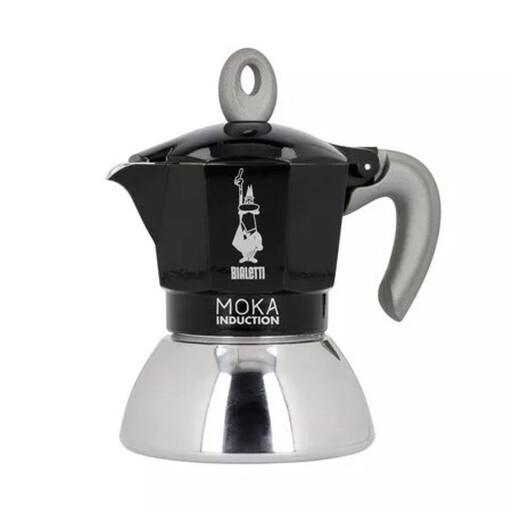
Why this product suits this profile: This model is specified for electric, gas and induction hobs and has a capacity of 300 ml. The combination of stainless steel and aluminium is aimed at users with several hob types at home.
Its induction compatibility is explicitly stated in the product details, so no adapter is needed for induction use.
300 ml capacity, manual operation and suitability for the three stated hob types.
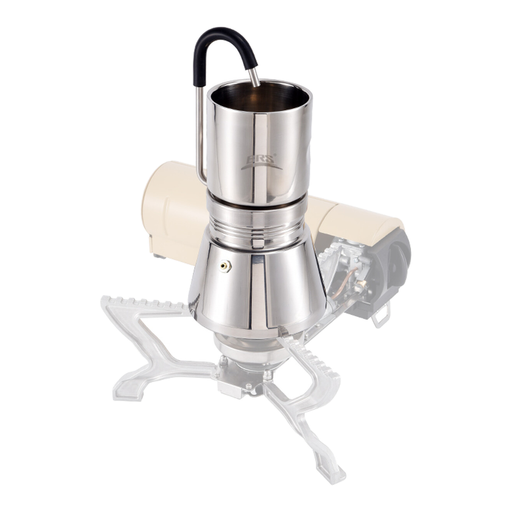
Why this product suits this profile: This compact stainless steel pot is designed for camping, outdoor use and various heat sources, including camping stoves, spirit burners and kitchen hobs.
The specifications clearly state the stainless steel construction, 250 ml capacity and outdoor use. This makes it easier to choose than decorative models that are not designed for transport.
Food-grade stainless steel, 250 ml capacity and a lid to help reduce spills during transport.
We have put together a complete, regularly updated list of products that fully meet these strict selection criteria and the safety regulations applicable in the EU.
The Moka pot should be allowed to cool completely after every use. Then rinse the upper section, filter, funnel and water boiler with water and dry them thoroughly. Avoid abrasive sponges when cleaning aluminium models. Regularly check that the sealing ring remains elastic and that the safety valve is clear. Replacing a worn seal is a better option than continuing to use a pot that is leaking.
A Moka pot does not require electricity or capsules, keeping running costs low. The main expenses are ground coffee and occasional replacement parts such as the seal and filter. This makes it an appealing choice for households that prefer manual brewing without a capsule system.
Only models with an explicitly stated induction base or stainless steel boiler are directly suitable. A classic aluminium Moka pot will usually require an induction adapter plate. Before buying, check the hob type in the technical specifications.
The name refers to small Italian cups. According to the product details, a 3-cup Bialetti Moka Express model makes approximately 130 ml of coffee, with a total volume of around 150 ml. This is generally enough for one serving in a large mug.
Its lifespan depends on the material, how it is used and how well it is cared for. A pot that is rinsed regularly and stored dry can be used for many years. The sealing ring, filter and safety valve are wear parts and should be replaced if they show visible damage or the pot is no longer sealing properly.