
Lieferung heute & morgen

Qualitätsgarantie

Willkommens-Angebote freischalten: KOSTENLOSE Lieferung | Bis zu 80 % RABATT | Kostenlose 30-Tage-JoyPlus-Testphase
App herunterladen
If you want to buy coffee and moka pots, you will find a wide choice of roasts, pack sizes and espresso makers. However, your decision should not be based solely on the brand name or design. The key factors are the right grind size, hob compatibility, capacity and the flavour profile you are looking for.
With a moka pot, a “cup” generally does not mean a large mug of coffee. It usually refers to a small espresso cup holding around 40 to 60 millilitres. Depending on the model, a 3-cup moka pot may therefore make only around 130 to 150 millilitres.
You should therefore check the capacity in millilitres before buying. A 1- or 3-cup model may be sufficient for one person. In a household with several coffee drinkers, a moka pot holding around 300 millilitres is more practical.
Aluminium moka pots are often designed for gas, electric, ceramic or halogen hobs, but are not automatically suitable for induction. Induction hobs require a suitable adapter or an espresso maker specifically approved for induction.
You should therefore check the product details carefully for information about hob compatibility. In particular, if a moka pot is described as suitable for gas and electric hobs, you must not automatically assume that it will also work on an induction hob.
A moka pot requires finely to medium-finely ground coffee. Very coarse filter coffee can produce a weak result, while extremely fine espresso powder may restrict the flow of water.
Filter machines, French presses and stovetop coffee makers each have different requirements. Ground coffee with added flavourings or instant cappuccino is not intended for use in a moka pot either. Instant products are prepared directly with hot water.
Arabica coffee is often associated with delicate, fruity or floral notes. Robusta coffee can contribute a stronger flavour and fuller body. Blends combine both characteristics. The flavour you actually experience also depends on the roast, grind size and quantity prepared.
The intensity stated on the packaging is the manufacturer's guide and is not a standardised, legally defined measurement.
250 g of coffee is suitable if you want to try different varieties or consume smaller quantities. 500 g of coffee can be more practical for regular consumption, but once opened it should be stored in an airtight, dry place away from light.
The following details are particularly relevant when choosing:
Ground coffee gradually loses its aroma after opening. The pack size should therefore match your actual consumption.
Aluminium is widely used for classic moka pots and is lightweight. Depending on their construction, stainless steel models may be suitable for induction. Regardless of the material, the pot should be allowed to cool after every use and cleaned by hand if specified by the manufacturer.
Important safety features and instructions include:
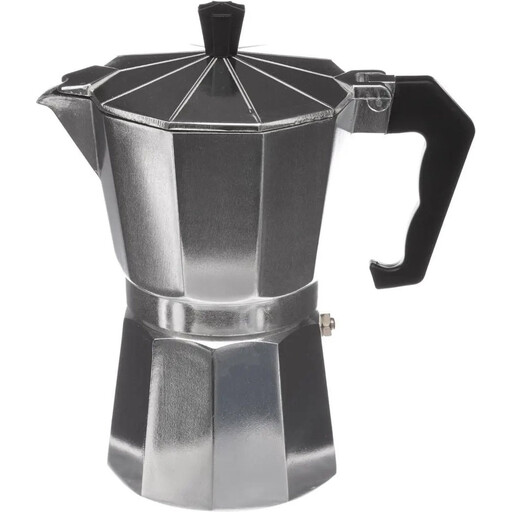
Why this product suits this profile: With a stated capacity of around 300 ml, it is suitable for several small servings. According to the product details, this model is designed for gas, electric, ceramic and halogen hobs.
The millilitre measurement makes the actual size easier to assess than the cup description alone. The fact that it is not dishwasher-safe is clearly stated.
Aluminium body, capacity of around 300 ml and hand washing with mild washing-up liquid, according to the product description.
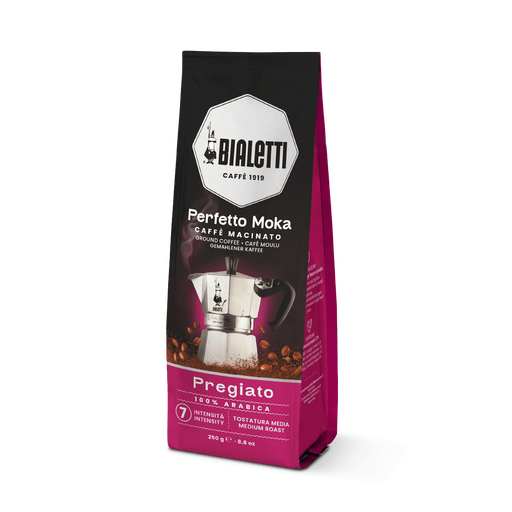
Why this product suits this profile: According to the product description, this coffee is made from 100% Arabica, is lightly roasted and has an intensity rating of 5. The pack size is suitable for controlled consumption.
The specific details about the variety, roast and intensity make it easier to compare the coffee with your own preferences. According to the manufacturer, the grind is intended for Bialetti coffee makers.
100% Arabica, 250 g contents and traditional roasting in Italy, according to the product details.
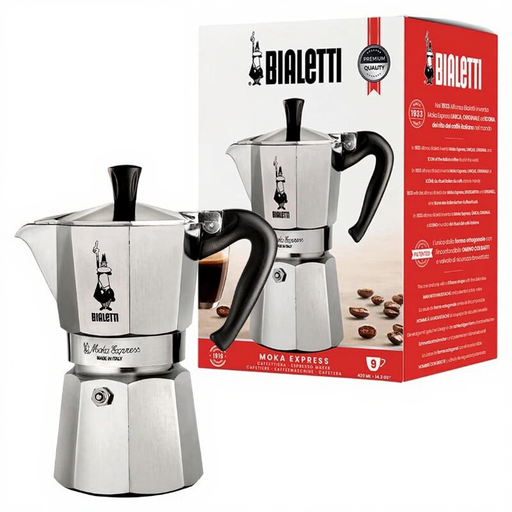
Why this product suits this profile: According to the product details, the 3-cup version makes approximately 130 ml of espresso and is suitable for gas, ceramic and electric hobs. This makes it a good fit for many kitchens in Germany.
The actual preparation volume is given in millilitres. The product description also specifically mentions hand washing and the correct handling of the safety valve.
Aluminium construction, 3-cup size and integrated safety valve, according to the product description.
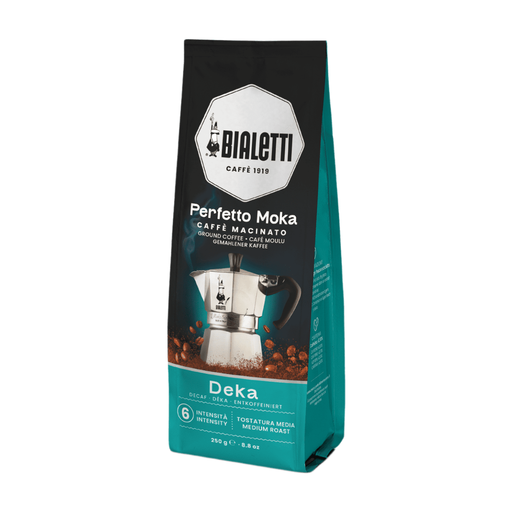
Why this product suits this profile: According to the product description, this blend is decaffeinated and consists of 60% Robusta and 40% Arabica. With an intensity of 6 and a medium roast, it is aimed at those looking for a bold profile without the caffeine content of regular coffee.
The term “decaffeinated” is accompanied by specific details about the bean blend, roast and intensity. The preparation method is tailored to Bialetti coffee makers.
250 g pack, medium roast and decaffeinated recipe, according to the product details.
We have put together a complete, regularly updated list of products that fully meet these strict selection criteria and the safety regulations applicable in the EU.
To use a moka pot, fill the lower chamber with water to just below the safety valve. Place the ground coffee in the filter and distribute it evenly without pressing it down firmly. Then put the pot on the hob over a medium heat. Once all the coffee has flowed into the upper chamber, remove the pot from the heat source.
Ongoing costs mainly depend on the amount of coffee used and the pack price. For filter coffee, around 7 grams per 125 millilitres is often used; with a moka pot, follow the markings on the relevant filter. A 250 g pack can be practical for occasional consumption, while 500 g may mean less packaging per serving when used daily. You can compare the actual price per cup using the following calculation:
Pack price ÷ pack weight × amount of coffee used per preparation
Models with the relevant manufacturer's approval can be used on gas and electric hobs. On ceramic hobs, the base should sit flat. Induction requires explicit approval or a suitable adapter. An aluminium pot without an indication of induction compatibility is not automatically suitable.
Its lifespan depends on the material, condition of the seal, frequency of use and cleaning. The seal and filter screen are wear parts and should be checked and replaced if necessary when there are visible cracks, deformation or reduced sealing performance. Do not continue using the pot if the safety valve is damaged.
No. Ground coffee with a suitable finer grind is the right choice. Filter coffee may be too coarse, while very fine espresso powder can restrict the flow. Flavoured coffee can be used provided it is sold as ground coffee for this preparation method. Instant cappuccino, on the other hand, should not go into the moka pot filter; it should be mixed with hot water.