For code and index entries, choose a monitor with a screen area, resolution and text size that work well with your desk and computer. If you often want to view code and sewing pattern data side by side, a wider display may be useful, but it will take up more desk space. A monitor doesn’t store your index: the files stay on your computer and need to be backed up separately.
Who is this type of monitor for?
Anyone who works with code and text for long periods
If most of your work involves code and index entries, a comfortable text size and a screen position you can adjust to suit your workspace are important. The German Federal Institute for Occupational Safety and Health outlines the rules for working at display screens.
Anyone who uses code and sewing pattern data side by side
When comparing several views at once, available screen width matters. Also check that the monitor and stand will fit on your desk. Dell and LG list different screen sizes and resolutions for the models mentioned here.
Anyone who wants to connect a monitor to a laptop
Check your computer’s video output and charging requirements against the ports on the specific monitor. A monitor is no substitute for your computer’s storage or a separate backup; the German Federal Office for Information Security recommends backing up your data regularly.
What should you consider when choosing?
27-inch QHD
A good fit if: you work with code and your index on one screen and don’t need an especially wide display.
The trade-off: It has fewer horizontal pixels than the 34-inch UltraWide model mentioned here; check the text size and scaling on your own computer.
34-inch UltraWide
A good fit if: you regularly open code and sewing pattern metadata side by side and have enough desk space.
The trade-off: The wide casing takes up more desk space, so check the actual dimensions of the model you’re considering.
4K, for more screen space or finer detail
A good fit if: you want to use 4K for code and other content and can adjust the display settings on your computer.
The trade-off: The screen size, text size, desk space and computer connection all need to work together; a higher resolution doesn’t automatically make text easier to read.
| Priority |
What to check before buying |
Who should consider this? |
| Readable code |
Check the diagonal measurement, native resolution and preferred text size on your own system. |
If I work with code and index views for long periods, I want to set the text size to suit me. Around 33% of consumers put readability and workspace first. |
| Side-by-side windows |
Compare the horizontal resolution, casing width and available desk space. |
Anyone who often opens code and sewing pattern data side by side needs a screen wide enough to accommodate them. Around 27% of consumers prioritise this kind of side-by-side view. |
| Adjustability |
Check the height, tilt and, where available, pivot adjustment, as well as the dimensions with the stand. |
If I spend long periods working at a screen, I want to position it to suit my workspace. Around 20% of consumers prioritise this adjustability. |
| Laptop connection |
Check the video output, USB-C support, charging requirements and cables against the specifications of both devices. |
Anyone who wants to connect their existing computer easily should make sure the ports are compatible. Around 20% of consumers prioritise this connection. |
Which assumptions should you avoid?
-
Confusing a monitor with storage or a data backup
A monitor displays content, but it doesn’t store the sewing pattern index saved on your computer. If data is lost, your files could be lost too.
Treat choosing a monitor and backing up your data as separate tasks. Back up your files to a suitable separate storage device, and check that you can restore them.
-
Assuming a USB-C connector automatically supports video
The connector’s shape alone doesn’t confirm that your computer’s port can output video or provide the monitor with the right amount of power.
Compare your computer’s video output specifications with the monitor’s input. If you’re using USB-C, check that it supports the video transmission you need. Also check the charging requirements and cable.
-
Choosing by screen size alone
Models with a similar diagonal measurement can have different resolutions and aspect ratios. A wider casing also needs more desk space.
Check the resolution and aspect ratio against the way you arrange your windows, and make sure the casing dimensions fit your available space.
Monitor brands to consider
Dell
The P2725DE is one example of a 27-inch QHD monitor with a USB-C hub.
- Dell lists a resolution of 2560 × 1440 pixels and height adjustment for this model.
- Check that its ports are compatible with your computer; these specifications don’t apply to every Dell monitor.
BenQ
The RD320UA is a larger 4K model with dedicated coding modes.
- BenQ specifies a 31.5-inch screen, 3840 × 2160 pixels, and light and dark coding modes for this model.
- The manufacturer’s claims about productivity or eye strain haven’t been independently verified as effects.
LG
The 34WR55QK-B is an example of a wide 21:9 display with USB-C.
- LG lists a resolution of 3440 × 1440 pixels, 65 W power delivery over USB-C and height adjustment for this model.
- LG marks the 34WR55QK-B specifically as unavailable; this doesn’t say anything about other LG models.
ASUS
The ProArt PA279CRV is a 27-inch 4K option with an adjustable stand.
- ASUS lists a resolution of 3840 × 2160 pixels, pivot adjustment and 96 W USB-C Power Delivery for this model.
- Colour gamut specifications aren’t automatically a priority for a sewing pattern index that’s mostly text-based.
EIZO
The FlexScan EV2490 is a more compact office model with USB-C docking.
- EIZO specifies a 23.8-inch screen, 1920 × 1080 pixels and up to 70 W via the USB-C upstream port for this model.
- Its listed pixel count is lower than that of the QHD, 4K and UltraWide models mentioned here.
Joybuy monitors for coding and index work
The Joybuy monitors below include QHD, UltraWide and 4K models for coding and index work. Compare the screen space and ports with your workspace and computer.
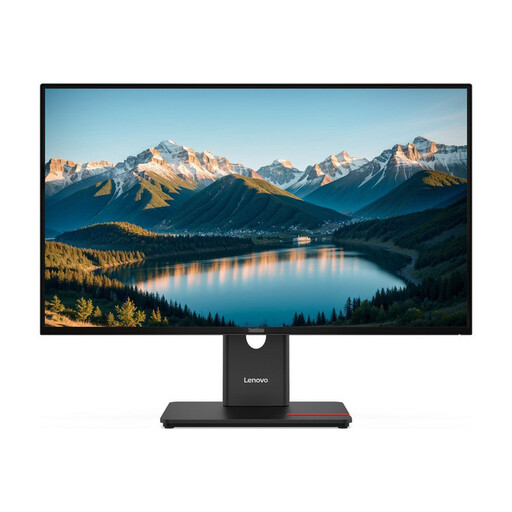 No image available
Lenovo ThinkVision T27Q-40, 27-inch QHD IPS
For code and index entries on a 27-inch QHD screen, with a listed resolution of 2560 × 1440 pixels.
Specifications include USB-C with 15 W PD, HDMI and DisplayPort. The stand adjusts for height, tilt, swivel and pivot.
View at Joybuy
 No image available
INNOCN E34A1R, 34-inch curved UltraWide
For viewing code and other windows side by side: this 21:9 display has a listed resolution of 3440 × 1440 pixels.
Specifications include HDMI and DisplayPort, plus a height-adjustable stand. Check that the wide casing will fit on your desk.
View at Joybuy
 No image available
INNOCN 40C1U, 40-inch 5K UltraWide
For viewing lots of work content at once: this 21:9 display has a listed resolution of 5120 × 2160 pixels.
Specifications include USB-C with 65 W Power Delivery, a USB hub and PIP/PBP. The casing is 944.1 mm wide with the stand, so check that it fits your available desk space.
View at Joybuy
 No image available
INNOCN CB27U1, 27-inch 4K UHD IPS
For code and index entries on a 27-inch display with a listed resolution of 3840 × 2160 pixels.
Specifications include USB-C with 90 W Power Delivery, HDMI and DisplayPort. The stand adjusts for height, tilt, swivel and pivot, and PIP/PBP is also listed.
View at Joybuy
 No image available
Philips 345B1C, 34-inch curved UltraWide
For viewing code and index data side by side: this 21:9 display has a listed resolution of 3440 × 1440 pixels.
The stand offers 180 mm of height adjustment. HDMI, DisplayPort, a USB hub and MultiView PIP/PBP are also listed.
View at Joybuy
Frequently asked questions
Does a monitor store the sewing pattern index saved on my computer?
No, a monitor is for displaying content. The files are stored on your computer, so back them up separately to a suitable storage device and check that you can restore them. The German Federal Office for Information Security recommends regular data backups.
Is a USB-C port on my laptop enough to provide video and power over one cable?
Not on its own: DisplayPort Alt Mode is relevant for the USB-C video transmission described here. Compare the capabilities of your specific laptop port with the monitor’s video input and Power Delivery specification.
Do German rules for display screen workstations also apply to my personal hobby?
The ASR A6 guidance from the German Federal Institute for Occupational Safety and Health sets out requirements for workplaces and teleworking. It doesn’t cover display screen use at home outside teleworking. Ergonomic guidance can still be useful as a reference, without being mandatory for a personal hobby.
What rights do I have when buying a monitor online from a business seller?
For a standard online purchase of goods from a business seller, you generally have 14 days from delivery to cancel; exceptions apply. Under EU law, faulty goods are also covered by a legal guarantee of at least two years. This is separate from any voluntary manufacturer’s warranty.


