
Lieferung heute & morgen

Qualitätsgarantie

Willkommens-Angebote freischalten: KOSTENLOSE Lieferung | Bis zu 80 % RABATT | Kostenlose 30-Tage-JoyPlus-Testphase
App herunterladen
Finding the right Montessori toys for 3-year-olds can be a challenge. The market is flooded with products advertised as "educationally valuable," but not all of them deliver on their promise. Many parents and relatives want to find a gift that not only provides short-term entertainment but also offers long-term developmental support. This guide will help you distinguish marketing hype from genuine quality and make an informed decision.
As a Joybuy Product Recommendation Officer, I filter relevant information for you and highlight what truly matters when making your selection.
Before we dive into the selection criteria, it's important to be aware of the three most common mistakes that lead to disappointment and unnecessary expense.
To avoid these pitfalls, you should check three key parameters. These will help you objectively assess the quality and actual benefit of a toy.
The child's safety is the top priority. For wooden toys, several standards are crucial:
A good motor skills toy for ages 3 and up should specifically support a child's development. At the age of three, the following areas are particularly relevant:
A toy for a three-year-old should offer a suitable challenge without leading to frustration. It should be complex enough to spark interest but simple enough for the child to experience success and stay motivated. A toy that grows with the child and offers various levels of difficulty provides long-term value.
Based on the criteria above, we have identified several products that are well-suited for different requirement profiles.
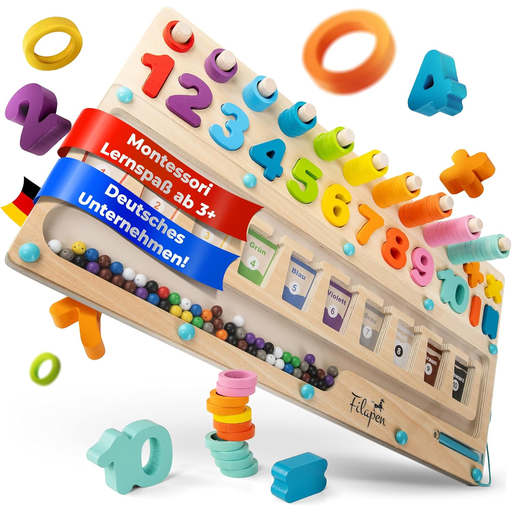
Why It's a Match: Ideal for parents looking for a multifunctional toy. It combines learning colours and numbers with targeted fine motor skill development through an engaging magnetic maze.
This toy is not a short-lived gadget. It integrates multiple learning areas (colours, numbers, motor skills) and offers long-lasting, open-ended play value through its combination of a magnetic game and number puzzle.
Made from sturdy wood with a permanently attached magnetic wand, which minimises the risk of lost or swallowed parts. The acrylic cover keeps the balls safely contained inside.
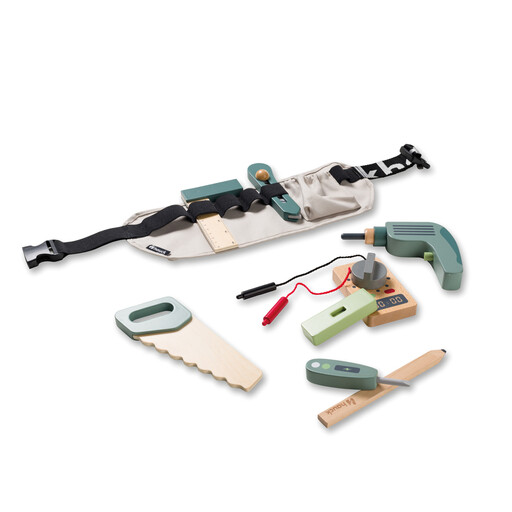
Why It's a Match: Perfect for children who love to imitate adults. This set encourages imaginative role-play and mimicking everyday activities, a core aspect of the Montessori philosophy.
Instead of flashing plastic imitations, this set offers realistic wooden tools. It promotes sustainable, creative play rather than short-lived, battery-powered entertainment.
According to the manufacturer, the tools are made from FSC-certified wood. The adjustable belt ensures everything is within reach, promoting both independence and tidiness.
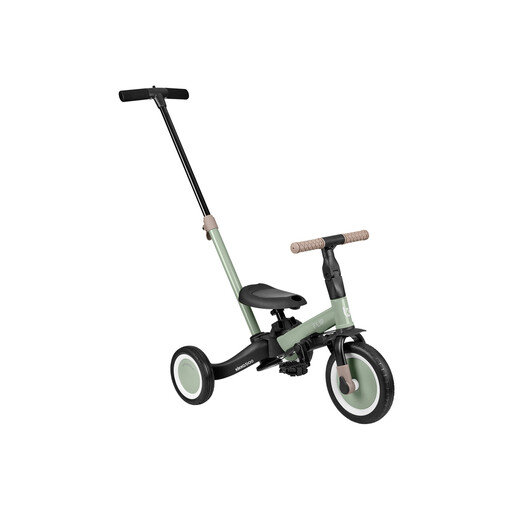
Why It's a Match: The Montessori philosophy also encompasses the development of gross motor skills and self-reliance. This adaptable tricycle helps children develop balance, coordination, and independence.
Instead of buying a vehicle for just one stage of development, this 5-in-1 model adapts from a push trike to a balance bike. This avoids the need to purchase multiple products and offers long-term utility.
The robust steel frame and multiple modes (push mode, tricycle, balance bike) make it a versatile companion for children aged 1 to 5, comprehensively supporting motor development.
We have compiled a complete, up-to-date list of products that fully meet these strict selection criteria and UK safety regulations.
Since the term "Montessori" is not legally protected for toys, you should focus on the product's characteristics. Authentic, Montessori-aligned toys often feature the following traits:
Not necessarily. A high price might reflect a well-known brand name or an elaborate design, but not always higher educational quality. More important than the price are the material quality (solid wood instead of particleboard), verifiable safety certificates (e.g., CE marking, EN 71), and non-toxic finishes. A simple but well-made fine motor skills toy can be more valuable for a child's development than an expensive, complex product.
Caring for wooden toys is straightforward and essential for their longevity and safety. If needed, wipe the toy with a slightly damp cloth. Avoid fully submerging the wood in water or using harsh cleaning agents, as this can cause the material to swell and damage the finish. Let it air dry completely after cleaning before the child plays with it again.