What to look for when buying
First, decide whether you’re looking for a stated sugar reduction, a sugar-free recipe or a product with no added sugar. Then compare nutritional values using the same measure and check the ingredients on the specific pack.
| What to check |
How to check it |
Who it matters to |
| Stated sugar reduction |
Look for a specific comparison and compare the “of which sugars” figure per 100 g with a suitable reference product. |
I want a traditional biscuit for the morning, with a sugar reduction I can compare against similar biscuits. This is the main reason for buying for around 42% of shoppers. |
| Sugar-free and sweeteners |
Know the difference between “sugar-free” and “no added sugar”, and check the sweeteners and any other information on the pack. |
For my snack, a very low stated sugar content matters more than a traditional recipe, but I still want to know what’s in it. Around 25% of shoppers have the same priority. |
| Energy, ingredients and allergens |
Compare sugar and energy per 100 g and per planned portion. If needed, check the current ingredients and allergen information. |
A lower sugar figure alone isn’t enough for me to choose a product: I also need to consider the energy content and certain ingredients. Around 33% of shoppers prioritise these checks. |
Biscuits and wafers on Joybuy
This selection includes biscuits labelled sugar-free, butter biscuits with a stated sugar reduction, and hazelnut wafers labelled “no added sugar”. Wafers are a different type of baked treat from biscuits, so check the relevant label and nutrition table when making comparisons.
 No image available
Coppenrath Sugar-Free Viennese Sand Ring Biscuits, 200 g
A biscuit option if you’re specifically looking for something labelled sugar-free for your morning snack. Check the current pack for the sugar content, sweeteners used and allergen information.
View on Joybuy
 No image available
Oreo Zero Sugar Sandwich Biscuits, 97 g
A sandwich biscuit option for shoppers looking for a recipe labelled sugar-free. Before buying, compare the nutritional values per 100 g and check the ingredients and allergen information.
View on Joybuy
 No image available
LEIBNIZ Butter Biscuits – 30% Less Sugar, 150 g
A traditional butter biscuit with a stated sugar reduction compared with many similar traditional butter biscuits. According to LEIBNIZ, it contains 12 g of sugar and 422 kcal per 100 g; the energy content is not reduced to the same extent. Check the current allergen information if needed.
View on Joybuy
 No image available
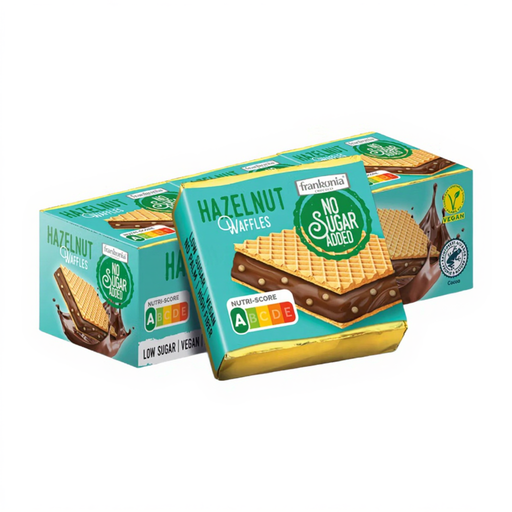
Frankonia Hazelnut Wafers with No Added Sugar, 9 × 19.4 g
A portion-sized wafer alternative if you’re considering wafers labelled “no added sugar” as well as biscuits. This doesn’t mean “sugar-free”: compare the “of which sugars” figure per 100 g, and check the ingredients and allergens on the pack.
View on Joybuy
Frequently asked questions
Are biscuits with less sugar automatically lower in calories?
No. A reduction in sugar doesn’t prove that the energy content has fallen by the same amount. According to LEIBNIZ, its butter biscuits with 30% less sugar contain 422 kcal per 100 g. When choosing, compare both figures using the same measure.
What’s the difference between “sugar-free” and “no added sugar”?
“Sugar-free” describes a very low sugar content: Lebensmittelverband Deutschland sets this at no more than 0.5 g of sugar per 100 g. “No added sugar”, on the other hand, doesn’t mean a product contains no naturally occurring sugars. The “of which sugars” figure in the nutrition information shows the amount in that specific product.
What should I look out for in sugar-free biscuits containing sweeteners?
Read the ingredients list and any guidance on the pack about how much to eat. According to the consumer advice centre, sugar alcohols can have a laxative effect when consumed in large quantities, so the sugar figure alone doesn’t tell you everything about the recipe.
Which allergen information matters for LEIBNIZ Butter Biscuits – 30% Less Sugar?
Check the current pack if you need to avoid particular ingredients. For these butter biscuits, LEIBNIZ lists wheat, butter, egg, milk and soya lecithin, among other ingredients. Information on an older product page shouldn’t replace the labelling on the pack you buy.


