Portion-conscious morning snackers
You fancy something crunchy between breakfast and lunch, and want to plan how much energy you’ll get from it. The kcal per 100 g and the amount you actually take from the pack both matter.


When planning a calorie-conscious morning snack, what matters is the energy in the portion you actually eat, not a label such as “light”. Compare similar products by their kcal per 100 g, then check your planned portion size, the ingredients and any allergens. Neither protein-focused crunchy snacks nor nut mixes are low in calories simply because of the type of product.
You fancy something crunchy between breakfast and lunch, and want to plan how much energy you’ll get from it. The kcal per 100 g and the amount you actually take from the pack both matter.
You’re looking for a crunchy alternative to a classic snack mix and want to compare its protein content too. The texture and seasoning may differ from those of a mix.
You check ingredients, salt or allergens particularly carefully. Depending on the product, the ingredients list or precautionary allergen information may mention peanuts, cereals containing gluten, milk or sesame.
For snack mixes and crunchy alternatives, start by checking the energy per 100 g. Then decide how much you want to eat in the morning, and read the other nutritional information and ingredients list for that specific product.
| Criteria | What to check when buying | Who it matters most to |
|---|---|---|
| Energy in your portion | Compare kcal per 100 g and relate this to the amount you plan to eat. Only use the stated portion size if it matches the amount you’ll actually have. | When I fancy something crunchy in the morning, I mainly want to plan the energy in my portion. Around 42% of consumers put the energy in a portion first. |
| Protein-focused crunch | Compare protein and fibre per 100 g alongside energy and salt. | For a snack to keep me going until lunch, I’m looking for a crunchy alternative and want to take its protein content into account without overlooking the other nutritional values. Around 33% of consumers prioritise this. |
| Ingredients and allergens | Check the ingredients list, highlighted allergens and precautionary allergen information on the specific pack. Compare salt and sugar if needed. | If I need or want to avoid certain ingredients, the labelling on the particular variety determines what I choose. Around 25% of consumers put these checks first. |
Fat and protein figures describe only part of a product’s nutritional profile. funny-frisch lists 443 kcal per 100 g for Protein Chips Barbecue Style; the energy you get from the snack also depends on how much you eat.
Start by comparing the kcal per 100 g and in your portion. Then consider fat, protein and fibre when making your final choice.
A simple ingredients list doesn’t mean a product has a low energy density. ALDI SÜD lists 628 kcal per 100 g for FARMER NATURALS Premium Nut Mix.
If you prefer a nut mix, plan your portion using its nutritional information rather than treating it as a low-calorie option you can eat without limit.
For its GUT&GÜNSTIG Snack Mix, EDEKA lists wheat, sesame, barley and milk, among other allergens. Information for another variety or a pack you bought previously is no substitute for checking the specific product’s labelling.
Before eating, check the ingredients list, highlighted allergens and precautionary allergen information on the pack in question.
The energy listed for a portion is only useful for planning if the amount you eat matches that portion.
Measure out the amount you want before eating, or check the weight of an individually wrapped pack.
The product ranges below show different types of crunchy snacks. Always compare the specific variety: a brand name alone tells you neither its energy per portion nor its ingredients.
Protein Chips Barbecue Style could be a crunchy alternative if you want to compare energy and protein with a classic snack mix.
NicNac's Original is a peanut-based crunchy snack for shoppers who prefer this type of crunch to a mixed selection.
GUT&GÜNSTIG Snack Mix is an example of a classic crunchy snack mix whose nutritional values you can compare with alternatives.
According to Lidl, Alesto includes natural nuts, dried fruit and party snacks. These are different products and need to be compared individually.
FARMER NATURALS Premium Nut Mix is a nut option for shoppers who want to check the salt content as well as the energy.
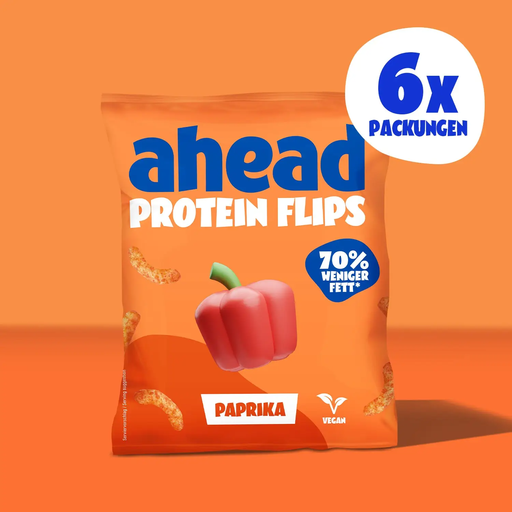
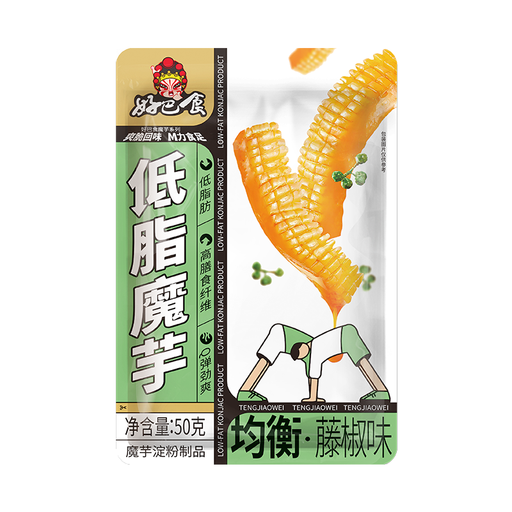
This selection features two savoury alternatives to a classic snack mix: paprika flips in individual bags and a konjac snack. For a morning snack, the nutritional information and the amount you want to eat are what matter.
 No image available
For anyone who’d like to plan for paprika flips in individual 50-g bags instead of a classic crunchy snack mix.
Compare the nutritional information on the specific pack with the amount you actually want to eat, and check the salt content too.
 No image available
A spicy konjac snack for the morning, if you want to include a 50-g pack in your portion planning.
Check the nutritional information on the specific pack, particularly energy and salt, as well as the ingredients and allergens.
First compare the kcal per 100 g, then work out what that means for the amount you want to eat. A lower figure per 100 g means less energy for the same amount; if the portions differ in size, you’ll need to take the amount of each into account.
You don’t necessarily need an extra snack in the morning to manage your weight. In its guidance on meal frequency for adults, the German Nutrition Society emphasises that your total energy intake should match your individual energy needs.
No. The Nutri-Score is no substitute for nutritional information or ingredient and allergen labelling. If a product carries one, use it only as an additional guide when comparing products in the same category, and still check the specific information on the pack before making your choice.
For every specific snack mix, read the ingredients list, highlighted allergens and precautionary allergen information. A similar-looking variety or a pack you bought previously may list different ingredients.