Get closer to the details in moss
If you want to capture individual shoots or structures in detail, you can pair a camera with a suitable macro lens. Nikon and OM SYSTEM specify a 1:1 magnification ratio for the macro lenses mentioned here.


For spontaneous close-ups without changing lenses, a compact camera with a dedicated close-up mode is an obvious choice: OM SYSTEM says the Tough TG-7’s Microscope mode can focus from 1 cm. If you want to capture individual moss structures in detail, consider a system camera with a compatible macro lens and check its magnification ratio; Nikon and OM SYSTEM specify 1:1 for the lenses mentioned here. You’ll also need a stable set-up for focus stacking on a still patch of moss, and the very short working distance can make lighting tricky.
If you want to capture individual shoots or structures in detail, you can pair a camera with a suitable macro lens. Nikon and OM SYSTEM specify a 1:1 magnification ratio for the macro lenses mentioned here.
If you want to get close to moss without changing lenses, OM SYSTEM says the Tough TG-7’s Microscope mode can focus from 1 cm. At such a short distance, remember to consider where the light will come from.
If you want as much of a still patch of moss as possible to appear sharp, focus stacking is an option. You’ll need a stable set-up and a subject that stays as still as possible, as Canon explains in its guide to focus bracketing.
A good fit if: you want to take spontaneous shots close to the ground without changing lenses.
The trade-off: A short focusing distance doesn’t automatically mean 1:1 magnification, and lighting can be tricky at close range.
A good fit if: you want to capture individual moss structures in detail and choose a lens and camera body to suit your needs.
The trade-off: The camera body, mount and lens must be compatible, and the shallow depth of field calls for precise focusing.
A good fit if: you want to photograph larger garden subjects as well as moss, and lower magnification will do.
The trade-off: Canon says the RF 85mm F2 MACRO IS STM offers up to 0.5x magnification, so it doesn’t achieve 1:1.
| Consideration | What to check when buying | Who is this important to? |
|---|---|---|
| Fine moss details | Check the maximum magnification ratio of the specific lens and make sure it has the right camera mount. | If I want to enlarge individual shoots clearly, I look at the lens and a compatible camera body. Around 36% of consumers put fine detail first. |
| Close-ups without changing lenses | Check the close-up mode, focusing distance and what’s actually included, such as a light guide if one is supplied. | If you want to take spontaneous shots close to the ground without changing lenses, look for a close-up function that’s ready to use. This is the top priority for around 29% of consumers. |
| More of the moss in focus | Check whether the specific camera body offers focus bracketing or focus stacking, and plan for a stable set-up when photographing still subjects. | If I want more of a still patch of moss in focus, I’m happy to use a stable set-up. Around 21% of consumers prioritise greater depth of field. |
| Working in damp conditions | Check the protection ratings for the camera body and lens separately, and follow the instructions for use. | When the garden is damp, I want to know the protection ratings for the combination I’m actually using. Weather-resistant handling is a priority for around 14% of consumers. |
A short distance tells you how close the camera can focus on a subject, but it doesn’t tell you the magnification ratio. OM SYSTEM says the TG-7’s Microscope mode can focus from 1 cm, while Canon specifies a maximum magnification of 0.5x for the RF 85mm F2 MACRO IS STM.
To get the level of detail you want, check the maximum magnification ratio of the specific lens or the documented close-up function of the compact camera.
A kit with the Canon EOS R50 and RF-S 18–45mm lens does not include the separately listed RF 85mm F2 MACRO IS STM.
Compare the stated contents with the specific lens you need to achieve the magnification ratio you want.
A system may require a separate macro lens and, if needed, lighting accessories; check which items are actually included.
Protection ratings apply to different components: OM SYSTEM gives the OM-5 Mark II an IP53 rating and the M.Zuiko 60mm Macro mentioned here an IPX1 rating.
Check the ratings and instructions for the specific camera-and-lens combination rather than assuming the protection of one component applies to the other.
From a compact camera with close-up mode to a system camera with a macro lens.
Nikon Z system cameras can be paired with the NIKKOR Z MC 50mm f/2.8 for detailed close-ups.
EOS R system cameras offer a lens platform for close-ups and other garden subjects.
The E-mount system is an option for compatible Sony camera bodies or a planned system set-up.
The LUMIX G system offers another option for macro photography with an interchangeable lens.
The Joybuy products below are cameras for photography; if you’re interested in capturing moss in detail, check the close-up and macro capabilities of each model separately.
 No image available
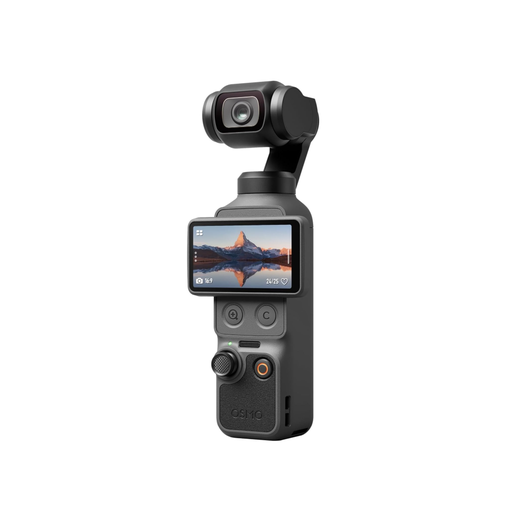
If you want to photograph other garden subjects as well as moss, check the focusing distance and magnification ratio for close-ups.
Named in the product title: 1″ CMOS, 4K/240fps, 3-axis stabilisation and a 2″ rotating screen.
 No image available
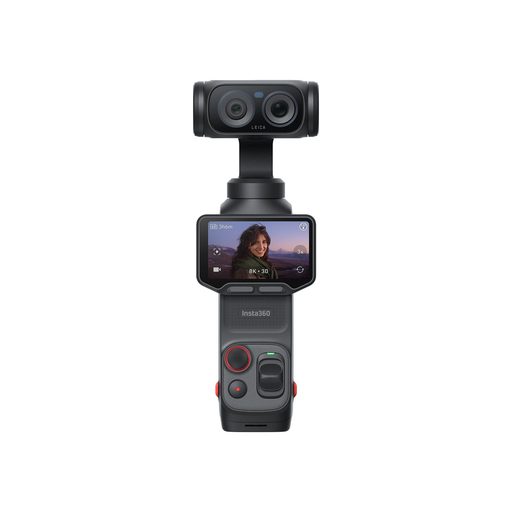
For detailed moss shots, check whether the specific model can focus at the close range you need; refer to the specifications for the exact variant.
 No image available
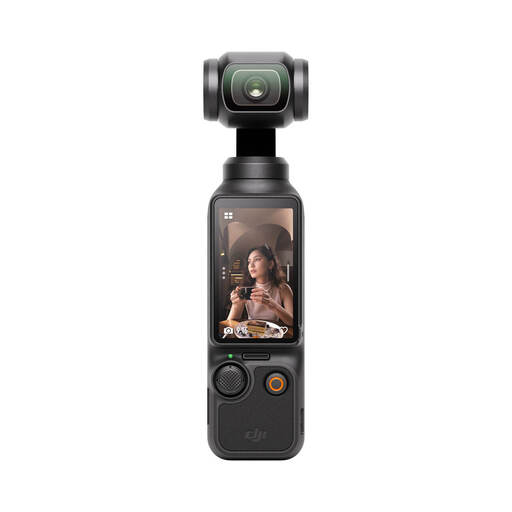
If you want to use it for still garden subjects, check whether its close-up function works at the distance you need before choosing it.
Named in the product title: 1-inch CMOS, 4K/120fps and a 2-inch rotating touchscreen.
 No image available
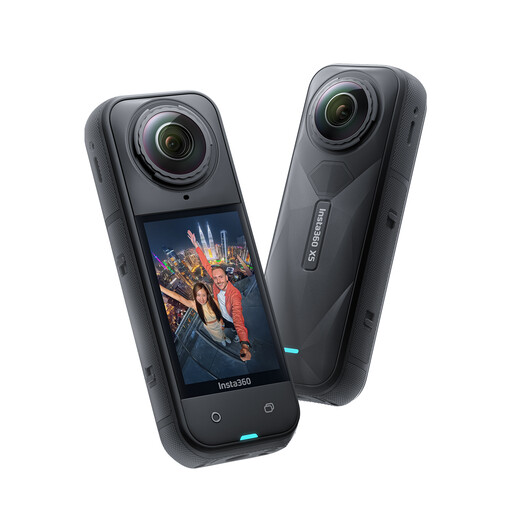
If you want to capture 360° subjects as well as moss, check separately whether the camera can focus close enough for moss details.
The product specifications list 8K30fps 360° video and a waterproof design up to 15 m without a housing.
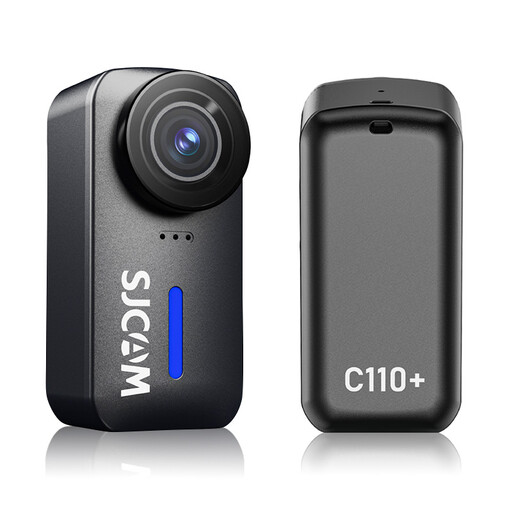 No image available
For individual moss photos, check whether the close-up function works at the distance you need and whether the housing is practical for working close to the ground.
Named in the product title: 170° wide-angle lens, 4K and 20 MP for photos. Waterproofing up to 30 m requires the supplied housing.
No, not if a straightforward close-up is enough for you: OM SYSTEM says the Tough TG-7’s Microscope mode can focus from 1 cm. If you specifically want a stated 1:1 magnification, look for a lens designed for it and a compatible camera body.
For a subject that stays as still as possible, you can take a focus stack with the camera on a stable support, then combine the images with their different areas of focus. Canon’s guide to focus bracketing lists a tripod and static subjects as requirements for images to align correctly.
With a system camera, plan to buy a compatible macro lens as well as the camera body, unless it’s explicitly included. Also check whether you need lighting accessories for the way you’ll be shooting, and whether they’re included with your chosen model.
Check what’s included and whether everything is compatible before buying. The Verbraucherzentrale distinguishes between your statutory rights against the seller and a voluntary guarantee. Online purchases usually come with a 14-day right to cancel, although exceptions may apply.
If people can be identified, data protection issues may arise. The Rhineland-Palatinate State Commissioner for Data Protection and Freedom of Information distinguishes between taking photographs of people and publishing them. Check the relevant legal basis before publishing a photo.