For a planned Mother’s Day breakfast, rolls from an in-store bakery are a convenient choice if you can shop in the morning and serve them soon afterwards. Bake-at-home rolls let you decide when to serve them, but you’ll need to allow time for the oven. At a local bakery, the specific dough-making process may be the deciding factor. Whichever option you choose, check the variety you want, its ingredients and allergens, and local availability rather than relying on the word ‘premium’ alone.
Who needs to plan what
Hosts who prioritise freshness
If you want to serve the rolls soon after buying them for Mother’s Day breakfast, plan your shopping trip, journey home and serving time together. With in-store bakeries, the range at your particular branch is also important.
Planners buying bake-at-home rolls
If you want to decide at home how many rolls to serve and when, allow time for the oven and follow the preparation instructions on the packaging.
Anyone checking ingredients and allergens
If your guests have allergies or specific ingredient requirements, it’s important to check the information for each individual roll. If you’re buying loose rolls, ask about allergens before you buy.
What to consider when buying
First decide when and where you want the rolls to be ready. Then compare the specific varieties and, if necessary, check the ingredients, allergens and quantity you’ll need.
In-store bakery or bakery branch
A good choice if: You’re shopping in the morning and want to serve the rolls without baking them at home.
What to consider: REWE, Lidl and ALDI SÜD describe their products as baked or baked off several times a day. The exact baking time and choice of varieties depend on the branch.
Finish baking at home
A good choice if: You want to take care of the final preparation step yourself, shortly before breakfast.
What to consider: You’ll need a suitable oven and time to follow the instructions for the product you choose.
Local bakery
A good choice if: You’re looking for a specific dough-making process or selection of ingredients.
What to consider: The local supplier Der Meisterbäcker describes long fermentation and natural sourdough for its speciality breads and rolls. This information doesn’t apply to other bakeries or similarly named products.
| What matters |
What to check when buying |
Who it matters most to |
| Freshness and serving time |
Check opening times and allow for your journey home and serving time; if you’re buying bake-at-home rolls, allow time for the oven. |
I want to serve the rolls soon after buying them or finish baking them just beforehand, rather than leave the timing to chance. This is a priority for around 33% of consumers. |
| Variety and ingredients |
Compare the product name, types of grain, ingredients and, where relevant, organic certification. |
I’m looking for a particular grain or seed variety for my breakfast table and don’t want to choose based on the name alone. This matters most to around 27% of consumers. |
| Allergens and ingredient requirements |
Check the information for the specific product; if you’re buying loose rolls, ask about allergens and possible cross-contamination. |
If a guest needs to avoid certain ingredients, I need reliable information about the exact roll before I buy it. Around 20% of consumers put this check first. |
| Quantity and availability |
Check with the branch that it has the quantity and variety you need, and have an alternative in mind. |
I want to make sure there are enough of the variety I want for several guests, and be able to change my plans if it’s sold out. This kind of planning comes first for around 20% of consumers. |
Common mistakes when choosing
-
Taking ‘premium’ as a guarantee of quality or health benefits
On its own, this label doesn’t give you reliable information about a roll’s taste, suitability or nutritional value.
Instead, compare the specific product: its variety, ingredients and allergens, and the preparation instructions if you’re buying bake-at-home rolls.
-
Buying speciality rolls for guests without checking allergens
A variety name doesn’t tell you everything that’s in a product. For example, REWE Bio’s multigrain baguette roll contains sesame; Kamps delivery service in Berlin warns of possible cross-contamination with loose products.
Check the information for the specific product and ask at the point of sale about loose rolls. General statements about a brand are no substitute for checking the individual product.
-
Relying on an online listing for a particular variety
EDEKA warns that some products may not be available in its stores. ALDI Nord says that special-buy products are available in limited quantities.
If you’re catering for a larger breakfast gathering, ask your local branch about the quantity you need and have another suitable variety ready as a back-up.
-
Buying rolls too early and storing them incorrectly
The time between buying and serving the rolls also affects how fresh they are at breakfast.
Verbraucherzentrale recommends storing bread and rolls at room temperature in a dry, dark place. Rolls can also be frozen.
Brands and suppliers to consider
REWE
Supermarket with an in-store bakery offering classic rolls and varieties made with different grains.
- REWE says its baked goods are baked and replenished several times a day; ingredients and allergens are listed for some products.
- The variety you’ll find depends on the individual branch.
EDEKA
Supermarket option with rolls to finish baking at home as well as products from its in-store bakery.
- Individual EDEKA product pages list ingredients, allergens and preparation instructions.
- EDEKA warns that some products may not be available in every store and advises customers to check the packaging for the definitive information.
Lidl – Unser Brot
Lidl’s bakery range includes a variety of breads and baked goods, including multigrain and spelt options.
- Lidl describes its baked goods as freshly baked several times a day.
- Brand information about ingredients or production is no substitute for checking the individual product.
ALDI SÜD – MEINE BACKWELT
A bakery range with savoury and sweet options, as well as some organic products.
- ALDI SÜD describes its products as freshly baked off several times a day and also lists regional baked goods.
- The range shown doesn’t include every product available in each branch, and special-buy items may be available in limited quantities.
Kamps
Bakery chain where it’s important to check the information for the specific loose product.
- Kamps delivery service in Berlin provides contact details for questions about ingredients that may cause allergies.
- It warns that cross-contamination cannot be completely ruled out when products are sold loose. This information applies to the Berlin delivery service.
Der Meisterbäcker
Local bakery in Hesse with a stated artisan production process.
- The supplier describes long fermentation and natural sourdough for its speciality breads and rolls.
- This local business should not be confused with ALDI Nord’s differently named ‘Meisterbäcker-Brötchen’ product.
Suitable products at Joybuy
Here you’ll find a pack of Kaiser rolls for a planned breakfast, as well as a sweet bun to serve alongside them. The bun isn’t a traditional bread roll, so check the packaging for both products before planning how to prepare them.
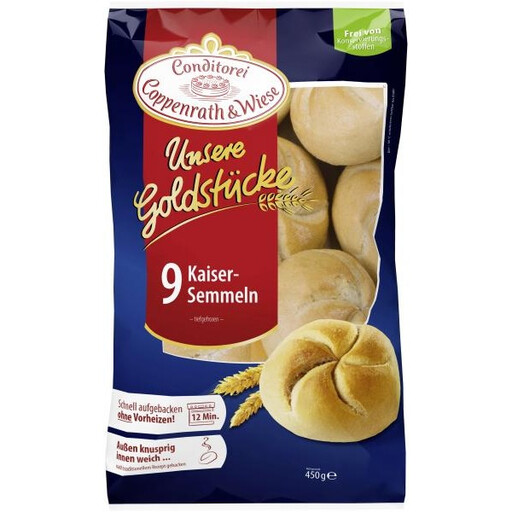 Image unavailable
Coppenrath & Wiese Our Gold Pieces Kaiser Rolls, 9 rolls, 450 g
The pack of 9 Kaiser rolls is a handy option for breakfast with several guests. Before serving, check the packaging for preparation instructions, ingredients and allergen information.
View at Joybuy
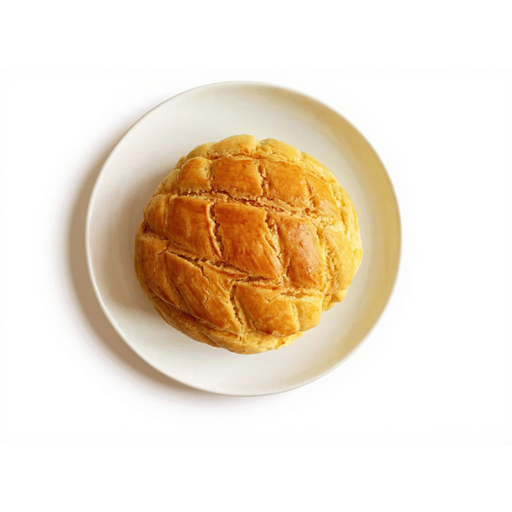 Image unavailable
St.Anny Hong Kong Style Pineapple Bun, 105 g
This 105 g sweet bun could be served alongside breakfast, but it isn’t a substitute for a classic plain roll. Before serving, check the packaging for ingredients and preparation instructions.
View at Joybuy
Frequently asked questions
How can I tell if ‘premium’ rolls are right for me?
The term alone isn’t a reliable way to choose. Decide whether a roll is right for your breakfast by looking at its variety, ingredients, allergens and preparation instructions; don’t use the label to make a general judgement about its health benefits.
Do I need to check allergens in packaged bake-at-home rolls?
Yes. If allergens matter to you or your guests, check the information on the specific pack. The Federal Office of Consumer Protection and Food Safety explains that the main substances that can cause allergies or intolerances must be listed and highlighted in the ingredients list on packaged foods. Also check any product-specific ‘may contain’ warnings.
Should I pre-order rolls for Mother’s Day breakfast?
It’s worth checking with your local branch if you need a large quantity of rolls or a particular speciality. EDEKA warns that some products may not be available in its stores, while ALDI Nord says special-buy products are available in limited quantities.
How should I store leftover rolls?
Store them at room temperature in a dry, dark place, or freeze them. Verbraucherzentrale recommends these options for bread and rolls; if baked goods show visible mould, they should not be eaten.


