
Lieferung heute & morgen

Qualitätsgarantie

Willkommens-Angebote freischalten: KOSTENLOSE Lieferung | Bis zu 80 % RABATT | Kostenlose 30-Tage-JoyPlus-Testphase
App herunterladen
A well-placed motion sensor light offers convenience, security, and helps lower energy costs. However, the market is filled with products whose performance claims often don't hold up in practice. Falsely triggered sensors, short lifespans due to weather exposure, or unexpectedly high operating costs are common consequences of an uninformed purchasing decision.
As your Joybuy Product Recommendation Officer, I'm here to help you navigate these pitfalls. This guide focuses on the objective criteria that define a reliable motion sensor lamp, so you can make an informed decision for your home.
Before we dive into the technical details, let's look at the three most common issues that lead to disappointment:
outdoor motion sensor is exposed to the elements. Products with an inadequate protection rating (e.g., IP23) are often only protected against light water spray and can quickly fail in heavy rain or frost. The claim "suitable for outdoor use" is often misleading without a specific IP code.To avoid a bad investment, you should base your selection on a few fundamental technical parameters. These determine whether a product is suitable for your specific use case.
The choice of power source is fundamental and depends directly on the installation location.
closet lighting with a motion sensor or as automatic light for stairs, this option is unbeatably flexible. Installation is usually tool-free via magnetic or adhesive strips. Models with an integrated, USB-rechargeable battery are a more cost-effective and eco-friendly alternative to disposable batteries.The effectiveness of a motion sensor depends on its detection area and the technology used.
night light with a motion sensor, 3 metres is enough, but for monitoring a driveway, ranges of 10 metres or more are practical.smart home motion sensor systems, detect movement more precisely and can even register the mere presence of a motionless person.The IP code is an international standard that defines a housing's protection against foreign objects and water. For outdoor use, the following ratings are relevant:
Instead of making a blanket recommendation, we have selected products that meet specific requirements and avoid the pitfalls mentioned earlier.

Why This Fits Their Persona: Ideal for users who need a straightforward lighting solution for a balcony, patio, or occasional garden use without wanting to run cables. The magnetic mount allows for flexible attachment to metal surfaces.
Solves the problem of inflexible installation and hidden costs with an integrated, USB-rechargeable battery and a tool-free magnetic mount.
The IP44 protection rating makes the light splash-proof and thus suitable for covered outdoor areas. The combination of battery operation and a compact design offers maximum portability.
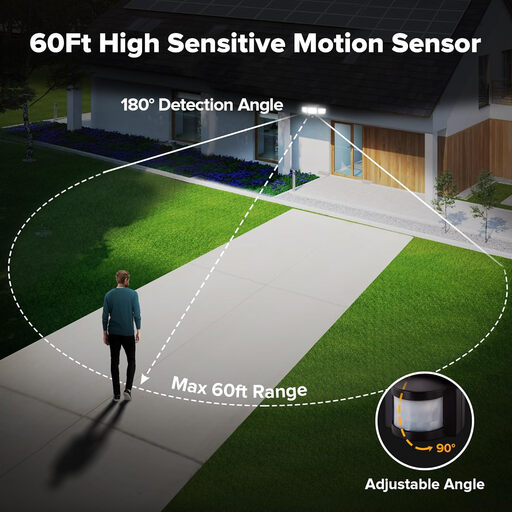
Why This Fits Their Persona: Perfect for homeowners who want to monitor large areas like driveways, gardens, or the entire perimeter of the house for deterrence and safe illumination. The solar function makes it independent of the power grid.
Addresses the pitfalls of poor weather resistance and unreliable sensors with a robust IP65 certification and a long range of up to 18 metres (according to the manufacturer).
The high light output of 3000 lumens and the three individually adjustable light heads allow for wide and targeted illumination. Solar power eliminates ongoing electricity costs.
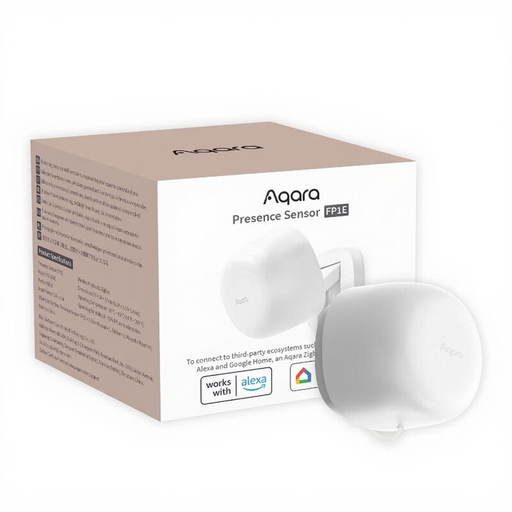
Why This Fits Their Persona: For tech-savvy users who want to not just control lights but create complex automations. This sensor can make existing smart lights intelligent and can be integrated into systems like HomeKit, Alexa, or Google Home.
Bypasses the unreliable sensor pitfall at the highest level. Its mmWave radar technology detects not only motion but also the mere presence of people, even when they are sitting still. This prevents false shut-offs.
Enables precise presence detection for complex scenarios (e.g., keeping the light on as long as someone is at a desk). Compatibility with the Matter standard ensures future-proof integration into various smart home ecosystems.

Why This Fits Their Persona: The perfect solution for anyone wanting to illuminate dark closets, drawers, or stairways without much effort. Its slim design blends unobtrusively into any environment.
Avoids the pitfall of hidden operating costs with an integrated USB-rechargeable battery. The magnetic mount allows for easy, damage-free installation and removal for charging.
The ultra-slim profile and high-quality aluminium construction provide an elegant look. The sensor only activates the light in darkness and when motion is detected, which maximises battery life.
We have compiled a complete, real-time list of products that fully satisfy these strict selection criteria and UK safety regulations.
Yes, for most models, this is easily possible. An indoor battery-powered motion sensor or a solar light with motion sensor typically requires no wiring and is mounted with adhesive strips, magnetic holders, or simple screws. The exception is hardwired models that connect to the 230V power grid. For safety reasons and in accordance with regulations, their installation must always be performed by a qualified electrician.
False triggers are a common problem with PIR sensors. Typical causes include branches moving in the wind, warm air from vents, direct sunlight on the sensor, or passing animals. Position the sensor to avoid these sources of interference. Many models also offer adjustable sensitivity to reduce the frequency of false triggers.
Battery life varies greatly and depends on the frequency of use, the set light duration, and the quality of the batteries. With frequent activation, such as in a hallway, a set of batteries might last a few months. For infrequent use, like in a closet, they can last over a year. Models with rechargeable batteries, like the featured Yeelight lights, are a sustainable and more cost-effective alternative in the long run.