
Lieferung heute & morgen

Qualitätsgarantie

Willkommens-Angebote freischalten: KOSTENLOSE Lieferung | Bis zu 80 % RABATT | Kostenlose 30-Tage-JoyPlus-Testphase
App herunterladen
A light that turns on when you need it and switches off by itself—a lamp with a motion sensor promises convenience, security, and energy efficiency. Yet, the market is flooded with products whose real-world performance often fails to match the promises on the packaging. Many buyers are frustrated by unreliable sensors, short battery life, or lights that can't withstand the local weather.
As your Joybuy Product Recommendation Officer, I'm here to help you identify the common pitfalls and make an informed decision. This guide will show you which technical details truly matter and how to find the perfect motion sensor light for your needs.
Before you invest, you should be aware of the most common issues that often only become apparent after the purchase.
To avoid these problems, you should focus on three objective criteria that determine the quality and longevity of a light.
The choice of power source is fundamental and depends directly on the location and frequency of use.
Modern lights almost exclusively use Passive Infrared sensors (PIR sensors), which react to changes in heat. Two specifications are crucial here:
For an outdoor motion sensor light, the IP rating is the most important feature for durability. The code consists of two digits. The second digit is crucial for water resistance:
Based on these objective criteria, we have selected a few products for typical use cases.
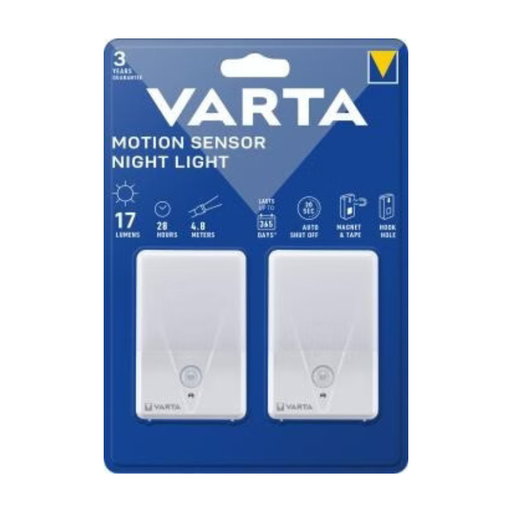
Why this product is a great fit: Ideal for anyone looking for a simple and reliable solution for hallways, closets, or as a night light in the bedroom. The battery-powered design allows for installation without tools or cables.
The PIR sensor is optimised for close-range detection (3 m / 120°), which minimises false triggers in living spaces. The automatic 30-second shut-off conserves the batteries and avoids the pitfall of short runtimes.
Highly flexible mounting options via screw, magnet, or adhesive tape. The practical twin pack offers excellent value for money for outfitting multiple areas.
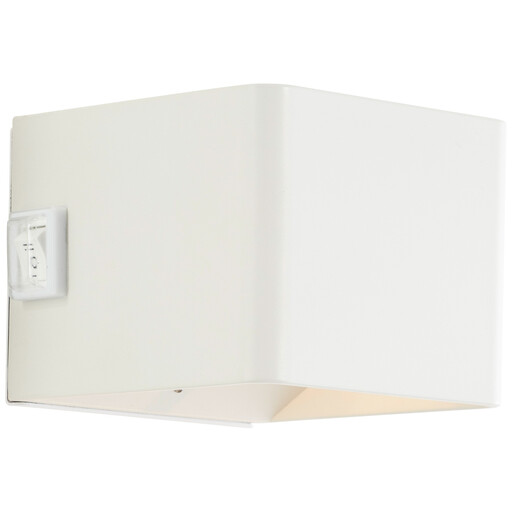
Why this product is a great fit: Perfect for anyone who needs a single light for multiple purposes. Thanks to its rechargeable battery, magnetic mount, and IP44 rating, it can be used as a portable workshop light, by the garden grill, or on a covered balcony.
This model bypasses the "weatherproof illusion" by being clearly rated as IP44 for splash-proof outdoor use. The integrated rechargeable battery with USB charging is a transparent and sustainable solution compared to vague battery life claims.
Maximum flexibility: The combination of a rechargeable battery, compact size, and a magnetic mount allows it to be used in places where a permanent installation is not possible or desired.
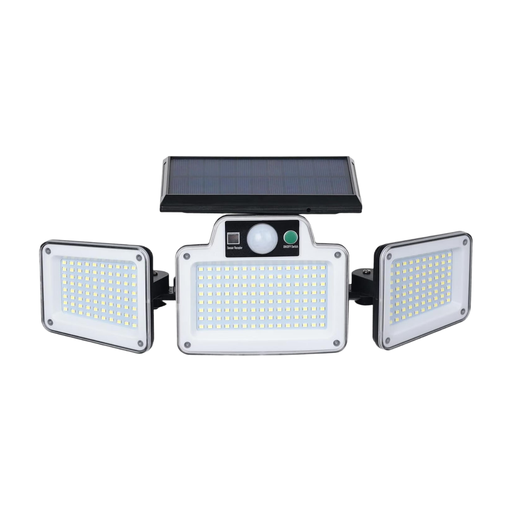
Why this product is a great fit: A high-performance solar outdoor light for illuminating large areas like driveways, gardens, or garages. The three adjustable heads and high number of LEDs provide a high level of security.
The IP65 rating ensures that the light can withstand heavy rain and harsh weather conditions. The separate solar panel with a long cable solves the problem of many compact solar lights, as it can be optimally positioned for sun exposure, even if the light itself is mounted in the shade.
High brightness from 280 LEDs, three adjustable light heads for wide 180° illumination, and a remote control for conveniently setting the different lighting modes.
We have compiled a complete, up-to-date list of products that fully meet these strict selection criteria and safety regulations.
Most wireless models are designed for easy installation. Common methods include strong adhesive strips, integrated magnets for metallic surfaces, or a simple bracket that attaches with a single screw. Clean the surface thoroughly before applying adhesive to ensure a secure hold.
The runtime heavily depends on the battery capacity (measured in mAh), the set brightness, and, most importantly, the frequency of activation. For an indoor light that turns on a few times a day, a single charge can last several weeks to months. For an outdoor light with frequent activation, the runtime is shorter, which is why solar or high-capacity rechargeable models are advantageous here.
The IP rating indicates how well an electrical device is protected against the ingress of foreign objects (first digit) and water (second digit). For outdoor use, the second digit is crucial: IP44 means "splash-proof" and is sufficient for covered areas. IP65 means "jet-proof" and is necessary for lights that are directly exposed to rain.