
Lieferung heute & morgen

Qualitätsgarantie

Willkommens-Angebote freischalten: KOSTENLOSE Lieferung | Bis zu 80 % RABATT | Kostenlose 30-Tage-JoyPlus-Testphase
App herunterladen
A well-placed motion-sensor night light provides safety and comfort without disturbing your sleep. It guides the way through dark hallways, stairwells, or to the bathroom, making it an especially smart addition to homes with children or seniors. However, the market is crowded, and not every model lives up to its promises. Many buyers end up frustrated with unreliable sensors or light that is far too harsh.
This guide will show you what to look for to navigate the common traps and find the perfect guidance light for your needs.
Before you make a decision, it's important to understand the weaknesses that often only become apparent after a few weeks of using common off-the-shelf models.
To avoid buyer's remorse, focus on a few crucial technical specifications. These will determine whether a night light is genuinely useful in your daily life.
A basic night light with a motion sensor (often a PIR sensor) reacts to thermal changes caused by movement. Higher-quality models combine this with a night light with a dusk-to-dawn sensor. This ensures the light only activates in the dark, saving energy and preventing it from turning on unnecessarily during the day. Look for these specifications:
The choice of power source depends on the location and your personal preference:
Light quality is crucial for comfort. A good LED night light should emit a pleasant glow that aids orientation without being blinding.
Based on the criteria above, we have identified several products that are well-suited for different user profiles and living situations.

Why This Fits Their Persona: Ideal for users looking for a straightforward and cost-effective solution for multiple rooms. The set provides a solid baseline for hallways and bathrooms without the need to fuss with complex settings.
The integrated dusk-to-dawn sensor prevents unnecessary operation during the day. With three brightness levels, the light can be adjusted so it isn't too harsh. The very low 0.5W power consumption avoids high running costs.
Automatic dusk-to-dawn sensor, 3-level dimming, highly energy-efficient (0.5W), slim design doesn't block adjacent outlets.
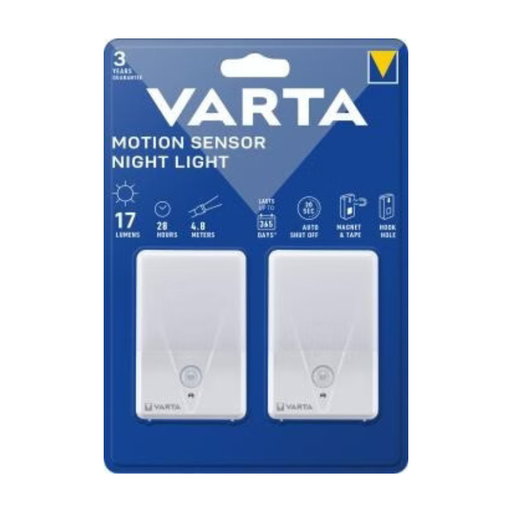
Why This Fits Their Persona: Perfect for anyone who needs maximum flexibility. Thanks to battery operation and multiple mounting options (magnet, adhesive tape, screw), this light can be placed anywhere—in a closet, the basement, or on stairs without an outlet.
The PIR motion sensor with a 3m range and 120° angle ensures reliable activation. The warm white light is pleasant and glare-free. The automatic 30-second shut-off conserves the batteries, enabling a long service life.
Highly flexible mounting options, reliable motion sensor, energy-saving auto shut-off, convenient 2-pack for multiple locations.

Why This Fits Their Persona: For parents who want more than just a guidance light. This product combines a gentle night light with soothing sounds and a ceiling projection to create a relaxing sleep environment.
The brightness is adjustable and the projection is gentle, avoiding the "too-harsh light" trap. The innovative cry sensor responds specifically to a child's cry rather than random movements. Thanks to the USB-C rechargeable battery, constant battery changes are a thing of the past.
Combines light, music, and projection; cry sensor for automatic activation; rechargeable via USB-C; timer function (23 min).
We've compiled a complete, up-to-date list of products that fully meet these strict selection criteria and safety standards.
The cost is extremely low. A typical LED night light with a 0.5-watt power consumption, active for 8 hours per night, uses about 1.46 kilowatt-hours (kWh) per year. With an electricity price of, for example, $0.20 per kWh, the annual running cost would be less than 30 cents.
Install the light at knee-to-hip height so it primarily illuminates the floor and obstacles without shining directly into your eyes. Ideal locations include hallways, stair landings, and bathrooms. Avoid installing it directly opposite mirrors, windows, or heat sources (like radiators), as this can cause false triggers.
No, and that's its main purpose. The dusk-to-dawn sensor measures ambient light and ensures the motion sensor is only activated in darkness (below a certain lux level). This is a key energy-saving feature.