
Lieferung heute & morgen

Qualitätsgarantie

Willkommens-Angebote freischalten: KOSTENLOSE Lieferung | Bis zu 80 % RABATT | Kostenlose 30-Tage-JoyPlus-Testphase
App herunterladen
A sudden noise from the nursery, a late-night trip to the bathroom, or the need for a glass of water—these are common situations where you have to navigate in the dark. Flipping on the main light is often too harsh; it can disturb a sleeping partner or child and even temporarily blind you. A motion sensor night light offers a targeted and energy-efficient solution. It provides light exactly when it's needed, ensuring safety and orientation without disrupting the peace of the night.
This article serves as your guide. It explains the key features to consider when making your choice and introduces various models suited for different needs around the home.
Selecting the right orientation light depends on your specific use case. Three key criteria will help you make your decision.
The type of power supply determines the night light's flexibility and where it can be installed.
The quality of the light is crucial for both comfort and functionality.
The motion sensor is the core of the device. Pay attention to the range and the detection angle. For a small room or a short hallway, a range of about 3 metres is sufficient. In larger areas or long corridors, a sensor with a range of 5 metres or more can be beneficial. The sensitivity of the dusk-to-dawn sensor is also relevant: it ensures the light only activates in insufficient ambient light, which saves additional energy.
Based on the criteria mentioned, we have compiled a selection of models that stand out for their functionality and specific areas of application.
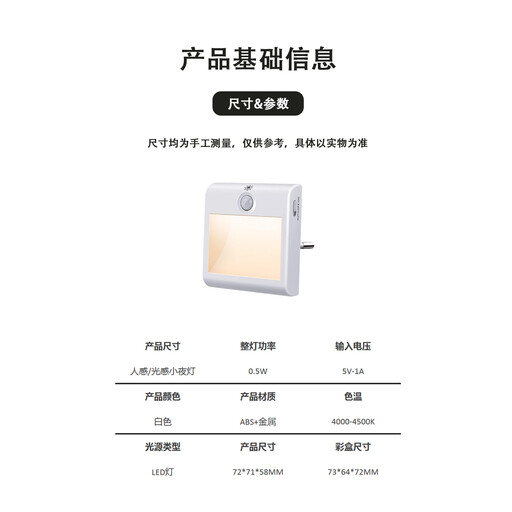
2-Pack Motion-Sensing Night Light with Touch Dimming, SMD LED 1W
Why It Stands Out: This set offers a thoughtful combination of functionality and convenience. The stepless dimming via touch control and the integrated memory function, which remembers the last brightness setting, are particularly practical. The daylight-warm white light with a colour temperature of 4000-4500K creates a natural and eye-friendly atmosphere.
Advantages:
Who Is It For? For households seeking a uniform and customisable lighting solution for multiple areas. Ideal for families and seniors who value intuitive operation and reliable pathway illumination.
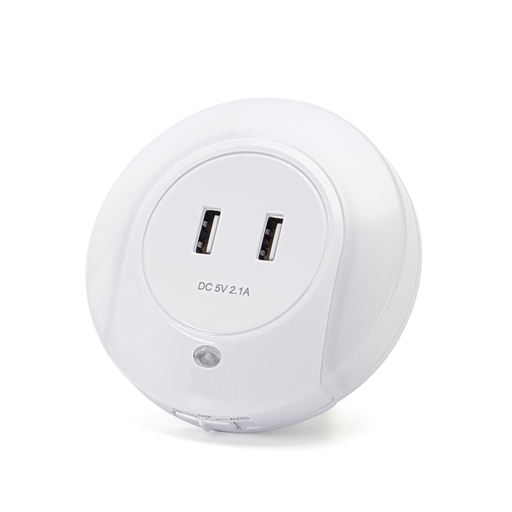
Aigostar LED Night Light With Dual USB Charger 0.4 W Warm Light
Why It Stands Out: This model from Aigostar is more than just a night light. It combines a soft orientation light with a convenient charging station. The two integrated USB ports eliminate the need for separate chargers for your smartphone or tablet and save valuable outlet space.
Advantages:
Who Is It For? For tech-savvy users and anyone looking for a space-saving solution for the bedroom or guest room. It's perfect for providing gentle light and charged devices right by the bed.
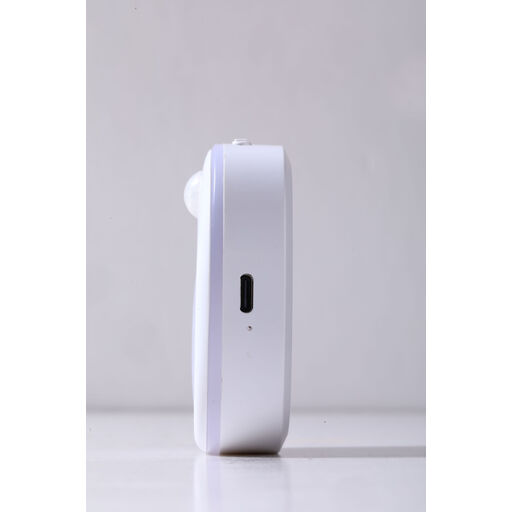
2-Pack Rechargeable Motion-Sensing Night Light, 3 Colour Temperatures
Why It Stands Out: This rechargeable night light 2-pack is a master of adaptability. Thanks to the integrated 500mAh battery, it can be placed anywhere. Its greatest strength lies in light customisation: users can choose between three colour temperatures (warm white, cool white, mixed light) and five brightness levels.
Advantages:
Who Is It For? For users who need maximum flexibility. Ideal for parents who want an adaptable nursery night light, for renters who don't want to make permanent installations, or for illuminating areas without a power connection.
The models presented cover many common use cases. But every household is different. If you are looking for specific designs, additional features, or different light colours, you may find the right product in our wider selection.
Discover more models in our category for eye-care night lamps.
A motion sensor night light typically uses a Passive Infrared (PIR) sensor. This sensor detects changes in heat in its detection area caused by the movement of people or animals. An additional dusk-to-dawn sensor ensures that the light only turns on in the dark. Once motion is detected, the light activates for a preset time and then automatically switches off again.
Ideal locations are places where nighttime orientation is important. These include:
For bedrooms and relaxation areas, a warm white light (typically 2700K to 3200K) is generally recommended. This light colour has a higher red component, has a calming effect, and interferes less with the body's production of the sleep hormone melatonin than cooler light. Cool white light, on the other hand, has a higher blue component, promotes alertness, and is therefore better suited for work or functional areas.