
Lieferung heute & morgen

Qualitätsgarantie

Willkommens-Angebote freischalten: KOSTENLOSE Lieferung | Bis zu 80 % RABATT | Kostenlose 30-Tage-JoyPlus-Testphase
App herunterladen
A sudden noise from the nursery, a late-night trip to the bathroom, or simply the desire for safe passage through a dark hallway—these are all situations where you need light without having to flip on a bright overhead fixture. A motion-sensor night light is a practical solution for this. However, the market is crowded, and not every model lives up to its promises. Before you make a purchase, you should be aware of the common pitfalls that lead to buyer's remorse.
Many users report three central problems:
This guide will show you which technical features truly matter so you can find a reliable and long-lasting solution for your home.
To find a suitable orientation light that serves its purpose without being disruptive, you should carefully examine three core aspects.
The heart of any automatic night light is its sensor. Most models use a Passive Infrared (PIR) sensor, which reacts to the body heat of people and animals. Pay attention to two specifications:
The effect of light on the human body should not be underestimated. Cold, bluish light can inhibit the production of the sleep hormone melatonin.
The choice of power source depends on the location of use and your preferences.
Based on these criteria, we've selected a few models for various use cases.

Why This Fits Their Persona: Ideal for parents looking for flexible and gentle lighting for a baby's or child's room. Thanks to its rechargeable battery, the light can be placed safely, with no cables within the child's reach.
With 3 selectable colour temperatures (including warm white) and 5-step dimming, it avoids the pitfall of harsh, sleep-disrupting light. The brightness can be precisely adjusted.
The integrated 500mAh battery is charged via USB, avoiding the recurring costs and hassle of battery changes. Its compact design is space-saving.
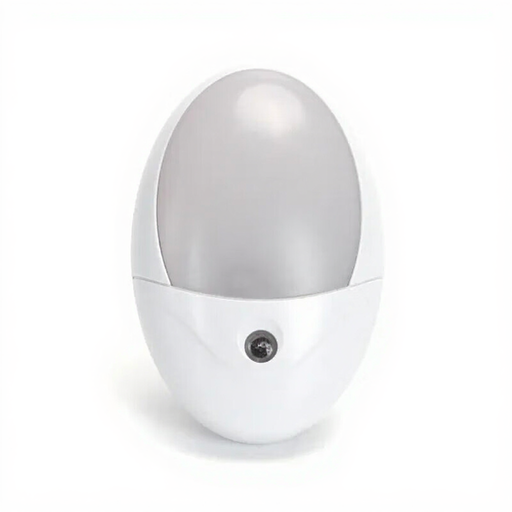
Why This Fits Their Persona: Perfect for homeowners and renters who need reliable, maintenance-free lighting for hallways, stairwells, or basements to minimise the risk of falls.
As a plug-in model, it eliminates the hidden costs and effort of changing batteries. The PIR sensor with an automatic dusk-to-dawn feature ensures reliable and energy-efficient operation.
Simple plug-and-play installation with no tools required. The warm white light (3000 K) provides pleasant orientation without glare. According to the manufacturer, the housing is made of fire-resistant PC material.
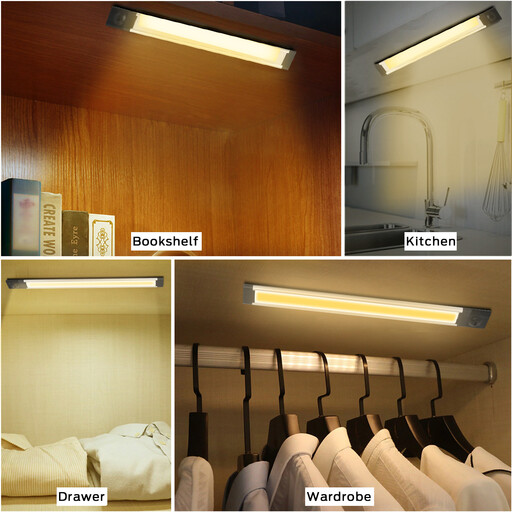
Why This Fits Their Persona: For users who need a bright, flexible light source for wardrobes, garages, workshops, or storage rooms. The drill-free mounting makes it ideal for rental properties.
This model bypasses the unreliable sensor trap by using gesture control for brightness adjustment. The high light output of 400 lumens ensures clear visibility where it's needed.
Flexible installation via a magnetic mount or hook allows it to be used in a wide variety of places. The rechargeable battery and robust construction of aluminium and ABS plastic are designed for durability.
We've compiled a complete, up-to-date list of products that fully meet these strict selection criteria and high safety standards.
The electricity costs are typically very low. A modern LED night light with a power rating of 0.5 to 1 watt, running for 8 hours a day, will only consume about 1.5 to 3 kilowatt-hours (kWh) per year. At an electricity price of 30 cents/kWh, this amounts to an annual cost of less than a dollar.
The ideal position is at knee to hip height. This makes optimal use of the sensor's detection range without the light shining directly into your eyes. In hallways, it should be placed to illuminate the path to the next door. For a stair light, mounting it at the top or bottom of the stairs is recommended.
Yes, light colour has a proven impact. The blue light components found in cool white LEDs can suppress the production of the sleep hormone melatonin, making it harder to fall asleep. Warm white light with a colour temperature below 3300 Kelvin resembles candlelight or a sunset and is significantly less disruptive to the natural sleep-wake cycle.