
Lieferung heute & morgen

Qualitätsgarantie

Willkommens-Angebote freischalten: KOSTENLOSE Lieferung | Bis zu 80 % RABATT | Kostenlose 30-Tage-JoyPlus-Testphase
App herunterladen
Whether it's a late-night trip to the bathroom or checking in on the children, you often don't want to switch on the bright overhead light. A motion-sensor night light seems like the perfect solution: it automatically provides light when needed, ensuring safety without disturbing your sleep. However, the selection process has pitfalls that can quickly turn a practical aid into a purchase you'll regret.
Many models on the market overpromise and underdeliver. Before you make a decision, you should be aware of the most common problems that lead to frustration and unnecessary expense:
rechargeable night light that needs daily charging quickly becomes a chore. Battery-powered models incur running costs and are less environmentally friendly.To avoid these pitfalls, it's crucial to pay attention to the technical details that determine the functionality of an automatic night light.
A good automatic night light is distinguished by its thoughtful technical features. Instead of being swayed by marketing promises, you should examine three core parameters.
The heart of any sensor night lamp is its motion detector, usually a Passive Infrared (PIR) sensor. This sensor reacts to body heat. Look for the following specifications:
The quality of light has a direct impact on your sleep cycle. A dimmable orientation light is one of the most important features.
nursery night light or a brighter light for hallways and stairs.The choice of power source affects both convenience and running costs.
rechargeable LED night light is often the most practical and eco-friendly solution. Models with a USB port offer flexible charging via power banks, laptops, or a mobile phone adapter. A long battery life in sensor mode (e.g., several weeks) is a key quality indicator.Based on these objective criteria, we have identified several products that offer a suitable solution for different user profiles and needs.
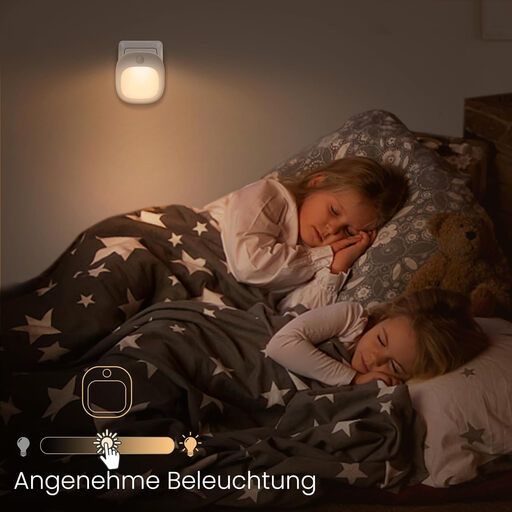
Why This Fits Their Persona: Ideal for parents and homeowners who need reliable and flexible lighting for hallways, stairs, and children's rooms. The 2-pack offers excellent value for money, allowing you to equip multiple areas.
With 3 selectable colour temperatures and 5-level dimming, it bypasses the problem of poor light quality. The sensor, with its 3-5 metre range and dusk-to-dawn function, operates precisely and efficiently.
The integrated 500mAh battery is USB-rechargeable and offers a long runtime in sensor mode. Its compact, slim design allows for discreet placement.
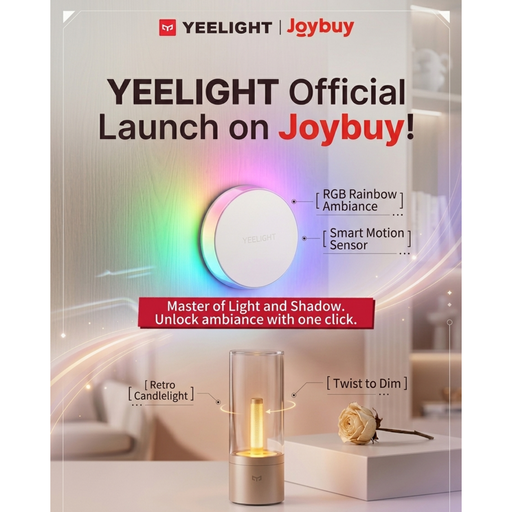
Why This Fits Their Persona: For users who see a night light not just as a functional object, but as a design element. Perfect for living rooms, bedrooms, or gaming rooms where atmosphere is key.
This model goes beyond standard functionality. With 11 preset RGB effects and a motion sensor, it combines practicality with sophisticated mood lighting, avoiding a purely utilitarian and often unattractive look.
The magnetic mount allows for flexible and easy installation. The battery is charged via a modern USB-C port, which ensures quick and straightforward handling.

Why This Fits Their Persona: Specifically designed for babies and toddlers to create a calm sleeping environment. It's more than just a night light; it's a sleep aid that can help alleviate fears of the dark.
Instead of just providing light, it projects soothing underwater wave patterns onto the ceiling. It avoids harsh, disruptive light, creating a sleep-inducing atmosphere with gentle sounds instead.
The adjustable Cry Sensor automatically activates the device when the baby cries. The timer function and USB-C charging port are other practical features.
We have compiled a complete, real-time list of products that fully satisfy these strict selection criteria and UK safety regulations.
Battery life varies depending on the model, battery capacity, and frequency of use. A good rechargeable night light should last for several weeks to months in sensor-only mode, where it only switches on briefly upon detecting motion. For the models featured here, the runtime in sensor mode can be up to 10 hours of pure illumination time, which, with average nightly activation, corresponds to several weeks of use before a USB charge is needed.
For optimal performance, the light should be placed at a height of about 20 to 100 cm above the floor. In a hallway or on a stair landing, an ideal position is one that covers the path of travel without being aimed directly at a door or window, to prevent false activations. In a child's room, it can be placed near the bed or door to safely illuminate the path to the parents' bedroom or the toilet. Avoid installing it near heat sources like radiators, as they can interfere with the PIR sensor.
The wrong kind of night light can indeed disrupt sleep. Light that is too bright or bluish (cool white) inhibits the production of the sleep hormone melatonin. Therefore, for a children's night light, always choose a model with a warm white light colour and a dimming function. The brightness should be just enough to provide orientation without fully illuminating the room. Models with a timer or those that automatically switch off after a short period are also an excellent choice.