
Lieferung heute & morgen

Qualitätsgarantie

Willkommens-Angebote freischalten: KOSTENLOSE Lieferung | Bis zu 80 % RABATT | Kostenlose 30-Tage-JoyPlus-Testphase
App herunterladen
An automatic light that illuminates your path without fumbling for a switch in the dark—the concept behind a motion sensor night light is both simple and practical. Whether as a gentle baby's sleep light in the nursery, a hallway orientation light for nightly trips to the bathroom, or a functional sensor-activated closet light, the applications are diverse.
However, the market is flooded with products whose real-world performance often falls short of their promises. Before you make a purchase, it's crucial to understand the most common weaknesses that can render an otherwise useful product unusable.
To avoid these pitfalls, you should carefully examine three technical features. These define the functionality and everyday usability of a motion sensor night light.
Most night lights use a Passive Infrared (PIR) sensor, which reacts to body heat. Two values are critical here:
The type of power source determines how and where you can use the night light.
Light quality is not a secondary consideration but a central criterion, especially in bedrooms and nurseries.
Based on these objective criteria, we have identified some products that are well-suited for specific user profiles and their requirements.
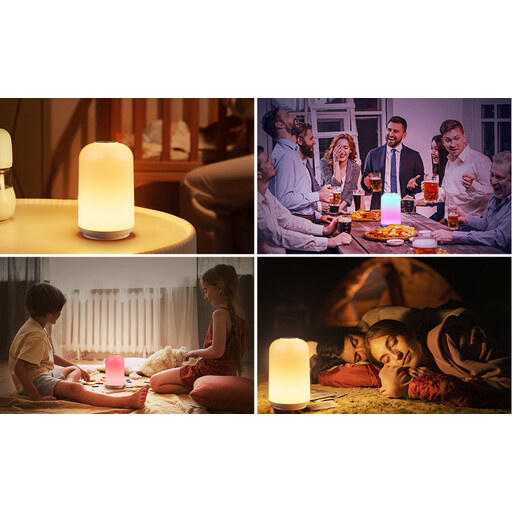
Why This Fits Their Persona: This cordless, rechargeable night light is ideal for parents. It can be flexibly placed on a bedside table or dresser and serves as a gentle nursing light or baby's sleep light without worrying about cables.
The stepless dimming function in warm white mode (2600-2800K) avoids the pitfall of overly bright light. Parents can set the brightness precisely to provide orientation without disturbing the child's sleep.
Two light modes (Warm White & RGB) in one device; integrated battery with USB charging for cordless flexibility.

Why This Fits Their Persona: This set is designed for homeowners and renters looking for a straightforward solution for hallways, stairs, or as a sensor-activated closet light. Installation is tool-free via adhesive strips, making it particularly renter-friendly.
It solves two problems at once: the reliable PIR sensor with a 3-5 metre range prevents false triggers, and the 800mAh battery ensures a long runtime, minimising maintenance.
Three selectable colour temperatures (warm, neutral, cool) for different locations; comes in a convenient 2-pack.
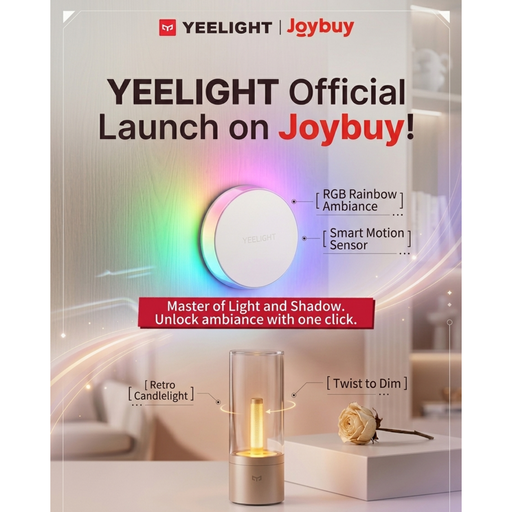
Why This Fits Their Persona: This model is aimed at users who want more than just a simple orientation light. It combines the function of a motion sensor with a versatile RGB mood light, making it perfect for gaming setups, modern living rooms, or bedrooms.
While many gadgets boast superfluous features, this product delivers genuine added value. The motion sensor works reliably for its core function, while the 11 light effects provide a meaningful enhancement.
Modern USB-C charging port; magnetic mount for flexible placement; combines a functional night light with a decorative mood light.
We have compiled a complete, up-to-date list of products that fully meet these strict selection criteria and UK/EU safety regulations.
The battery life heavily depends on the battery capacity (measured in milliampere-hours, mAh) and the frequency of use. A model with an 800 mAh capacity can last for several weeks to months on a single charge in automatic mode (activation only on motion in the dark), depending on how often it's triggered. In continuous-on mode, the runtime is reduced to just a few hours.
For a hallway orientation light or on stairs, a low mounting position at knee or calf height is recommended. This illuminates the path without shining directly into your eyes. In closets or storage rooms, the light should be positioned so that the sensor detects the door opening. Avoid placing it directly opposite heat sources like radiators, as this can cause false triggers.
Yes, if the light is too bright or has a cool, bluish colour temperature. Blue light can inhibit the body's production of the sleep hormone melatonin. To avoid disrupting your sleep cycle, choose a dimmable night light with a warm white colour temperature (below 3000 Kelvin) and set it to the lowest necessary brightness level.