
Lieferung heute & morgen

Qualitätsgarantie

Willkommens-Angebote freischalten: KOSTENLOSE Lieferung | Bis zu 80 % RABATT | Kostenlose 30-Tage-JoyPlus-Testphase
App herunterladen
A well-chosen outdoor wall light with a motion sensor not only enhances the security around your home but also provides comfort and a welcoming ambiance. However, the market is flooded with products whose promises don't hold up in practice. Before you make a decision, it's crucial to understand the common pitfalls that can lead to disappointment and unnecessary expense.
Many buyers focus on design while overlooking critical technical flaws. The most common problems include:
This guide will help you avoid these mistakes and make an informed decision that meets your needs for both function and durability.
To find a durable and functional outdoor light, you should carefully examine three core technical parameters. These are the primary determinants of the product's performance and reliability in everyday use.
The IP rating (Ingress Protection) is one of the most important specifications for any form of outdoor lighting. It indicates how well the housing is protected against the ingress of foreign objects (first digit) and water (second digit).
The choice of power source depends on the on-site conditions and your personal preferences. Each option has specific advantages and disadvantages.
A good sensor is the heart of any automatic outdoor light. Pay attention to the following features:
Here are some product recommendations tailored to different user profiles and requirements.
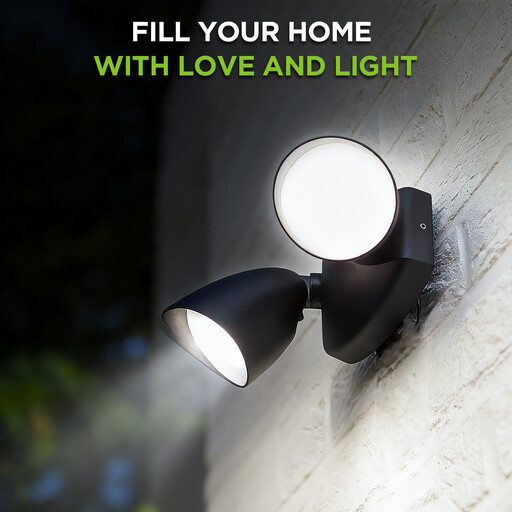
Why This Fits Their Persona: Ideal for homeowners who want to reliably and brightly illuminate driveways, yards, or the entire garden area. The mains-powered supply guarantees constant performance without depending on weather or battery charge.
With 1800 lumens, it bypasses the trap of insufficient brightness. The robust metal housing is designed for long-term outdoor use and withstands weather better than simple plastic models.
High light output for large areas. Swivelling light heads for targeted illumination.
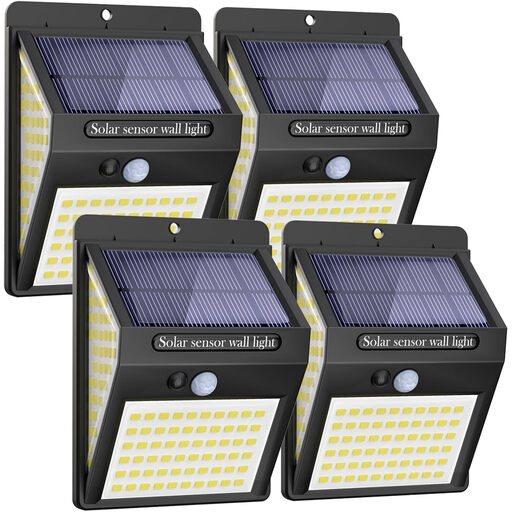
Why This Fits Their Persona: Perfect for DIY enthusiasts and garden owners looking for a hassle-free, wireless solution. Ideal for illuminating garden paths, fences, or sheds where no power connection is available. The 4-pack provides a cost-effective way to outfit multiple areas.
The IP65 rating ensures these lights function reliably even when directly exposed to the elements. Three different lighting modes offer flexibility and avoid the trap of a rigid, impractical sensor system.
No electricity costs and simple, wire-free installation. Wide 270° illumination angle for good area coverage.
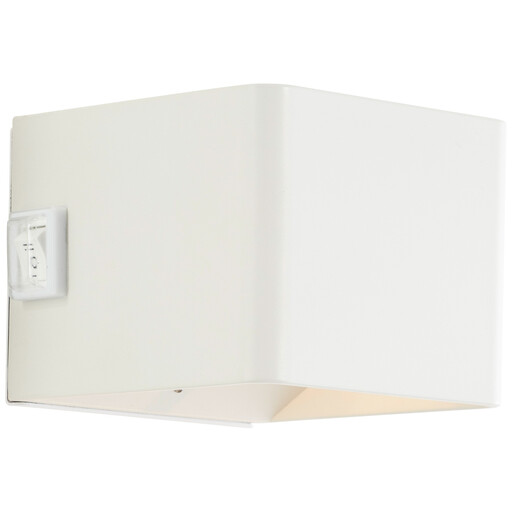
Why This Fits Their Persona: An excellent choice for tenants in apartments with a balcony or patio. Since no permanent installation is required, the light can be placed flexibly and easily taken with you when you move. The magnet allows it to be attached to metal surfaces like railings.
The battery technology with USB charging and the magnetic mount solve the problem of complex installation in rental properties. The IP44 rating is perfectly adequate for sheltered use on balconies or patios.
Portable and flexible thanks to battery operation. Simple attachment with an integrated magnet.
We've compiled a complete, up-to-date list of products that fully meet these strict selection criteria and local safety regulations.
The IP rating classifies the degree of protection a housing provides against the ingress of foreign objects (first digit) and water (second digit). For outdoor use, a minimum of IP44 (protection against splashing water) is recommended for sheltered areas, and IP65 (protection against water jets) for exposed areas to ensure a long lifespan.
The recommended mounting height is typically between 1.80 and 2.50 metres (6 to 8 feet). At this height, the area is well-illuminated, and the motion sensor can optimally detect movement without being constantly triggered by small animals or falling leaves. Always follow the manufacturer's specific recommendations.
Yes, for optimal charging and reliable function during the night, the solar panel should be mounted in a location that receives several hours of direct sunlight daily. A south-facing orientation is ideal in the Northern Hemisphere. On heavily shaded, north-facing walls, the performance of solar lights is often insufficient.