
Lieferung heute & morgen

Qualitätsgarantie

Willkommens-Angebote freischalten: KOSTENLOSE Lieferung | Bis zu 80 % RABATT | Kostenlose 30-Tage-JoyPlus-Testphase
App herunterladen
A well-chosen outdoor wall light with a motion sensor not only enhances the security around your home but also adds stylish accents to your facade, patio, or entrance area. However, the market is flooded with products of widely varying quality and functionality. Many buyers only realise after installation that the light cannot withstand the elements, the sensor is unreliable, or the material becomes unsightly after a short time.
As your Joybuy Product Recommendation Officer, I'm here to help you identify the crucial features and avoid common purchasing pitfalls. This guide focuses on the objective criteria that define a durable and functional outdoor light.
Before we dive into the technical details, let's look at the three most common issues that lead to disappointment and unnecessary costs.
To avoid these mistakes, you should check three key parameters before buying. These are the primary determinants of your lighting's function, safety, and lifespan.
The IP (Ingress Protection) rating is a two-digit code that indicates how well a housing is protected against the entry of foreign objects (first digit) and water (second digit).
Always ensure the IP rating is appropriate for the installation location to guarantee the longevity of the electronics.
The choice of power source depends on the on-site conditions and your preferences.
Almost all modern lights today use LED technology. It is long-lasting, economical, and available in various light colours.
The material influences not only the appearance but also the resistance to weathering.
In addition to the material, the design also plays a role. An outdoor up-down lighter, for example, creates interesting light effects on the facade, while a classic lantern shape exudes traditional charm.
Here are some product recommendations tailored to different needs and use cases that meet the quality criteria mentioned.

Why This Fits Their Persona: Ideal for renters or for places without a power connection, such as balconies, garden sheds, or garages. This battery-powered, mobile solution requires no complex installation and can be flexibly positioned thanks to its magnetic mount.
Bypasses the installation trap of hardwired lights. The integrated motion sensor provides on-demand light, and the IP44 rating is sufficient for sheltered outdoor areas.
Battery-powered with USB charging for maximum mobility. Magnetic holder for easy attachment to metal surfaces.
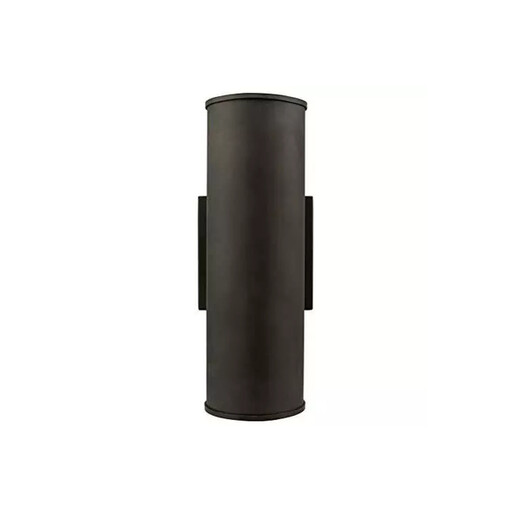
Why This Fits Their Persona: Perfect for anyone seeking a modern outdoor wall light with a sophisticated look. The up-and-down light creates architectural accents and an inviting atmosphere at entrances and on facades.
Avoids the trap of inferior materials. The robust construction with an "Oil-Rubbed Bronze" finish and IP44 certification ensure weather resistance and a long-lasting, high-quality appearance.
Stylish up-down lighter for decorative lighting effects. Integrated, energy-efficient LED technology with warm white light (3000 K).
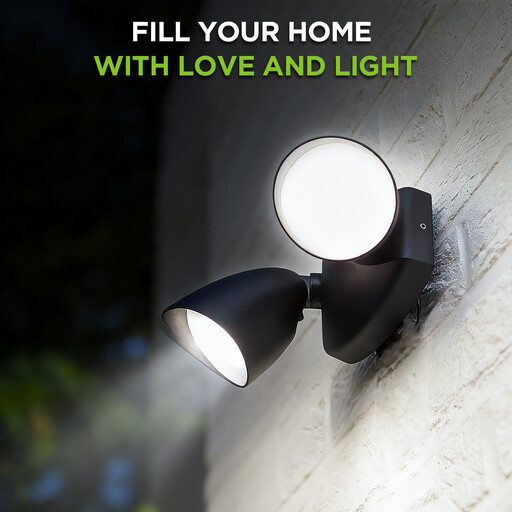
Why This Fits Their Persona: For homeowners who prioritise security and broad illumination of driveways, gardens, or backyards. This floodlight provides high light output for deterrence and orientation.
Solves the problem of insufficient brightness and inflexible aiming. With 1800 lumens and two adjustable heads, the light beam can be directed precisely where it's needed. The all-metal design is robust.
High brightness for maximum security. Two individually pivoting floodlight heads for flexible and targeted illumination.
We've compiled a complete, up-to-date list of products that fully meet these strict selection criteria and rigorous safety standards.
For safety reasons, the installation of a hardwired 230V outdoor light must always be carried out by a qualified electrician. They will ensure that all connections are made correctly and are waterproof. You can typically install solar or battery-powered models yourself, as no connection to the mains power is required. Always follow the manufacturer's installation instructions.
Yes, this is possible with most high-quality models. Look for small dials on the light, often labelled "SENS" (sensitivity), "TIME" (duration), and "LUX" (dusk threshold). "SENS" allows you to adjust the sensor's range to prevent false triggers. "TIME" determines how long the light stays on after activation. "LUX" lets you set the ambient brightness level at which the sensor becomes active.
The light colour is measured in Kelvin (K) and affects the atmosphere the light creates.