
Lieferung heute & morgen

Qualitätsgarantie

Willkommens-Angebote freischalten: KOSTENLOSE Lieferung | Bis zu 80 % RABATT | Kostenlose 30-Tage-JoyPlus-Testphase
App herunterladen
Motor skills toys for babies and toddlers encourage them to grasp, move, sort or build. In practice, though, choosing the right one isn’t always easy. Some products look educational because they offer lots of features, but may not be right for your child’s age or may be difficult to put away. Others are too heavy for little hands, have too many small parts or make too much noise in everyday use.
Lights, melodies and lots of accessories can grab a child’s attention. But they don’t automatically make for a well-designed toy. Simple actions such as grasping, pressing, fitting, sliding and stacking are often easier for babies and toddlers to focus on. A good educational toy should suit your child’s stage of development, rather than simply having a long product description.
‘For toddlers’ isn’t precise enough. What matters is whether a toy is suitable from 6 months, designed as a motor skills toy for children aged 12 months and over, or intended for children aged 3 and over. Small parts, detachable pieces and cords may not be suitable for younger children. Always follow the manufacturer’s age recommendation and read the specific warnings.
A smooth surface or a claim that a material is BPA-free doesn’t, by itself, mean a toy is suitable for every child. When choosing wooden toys for babies, parents should also look for rounded edges, sturdy joints and splinter-free surfaces. For electronic musical toys, useful features include volume control, a secure battery compartment and an easy-to-reach off switch.
Check these three details:
A motor skills toy designed for children aged 12 months and over isn’t automatically suitable for a six-month-old baby. Equally, a simple posting or grasping toy may not offer enough of a challenge for an older child.
When choosing educational toys, look for durable materials that are easy to clean. Plastic can usually be wiped down with a damp cloth. Wooden toys should have no visible splinters, sharp edges or loose knobs. For fabric or foam elements, check the care instructions and whether individual parts can be cleaned.
CE marking and details of applicable safety requirements should be clearly explained in the product information. A CE mark isn’t a quality mark; it’s the manufacturer’s declaration that the product complies with relevant EU requirements. For toys, requirements in the EN 71 series of standards are among those that may apply. Always check the specific product information.
Posting toys, puzzles, shape sorters and large building blocks are all good options for developing fine motor skills. Toys that develop gross motor skills need more room for movement. Before you buy, check:
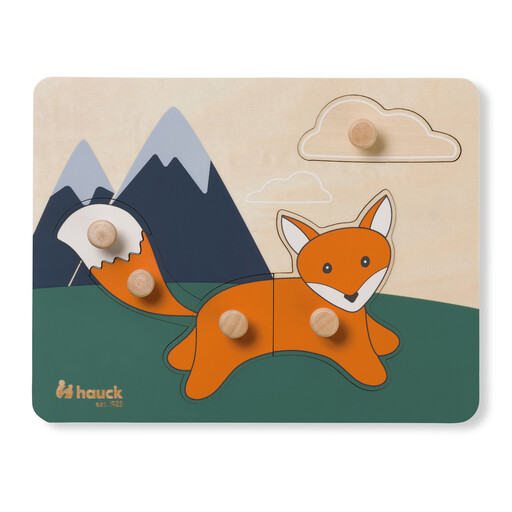
Why it suits this need: This wooden puzzle offers a simple introduction to matching shapes and grasping pieces. It’s a good choice for families looking for a compact fine motor skills toy for children aged 1 and over.
Instead of lots of electronic features, play centres on fitting shapes and removing pieces. The recommended age of 12 months and over is clearly stated.
Wooden board with animal shapes, handy knobs, rounded edges and stated dimensions of 22 × 17 × 2 cm.
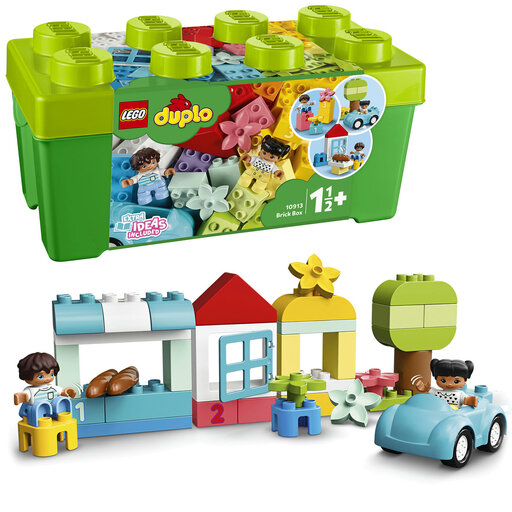
Why it suits this need: With 65 pieces, children can build, sort and enjoy imaginative play. The storage box makes it a good option for families looking for versatile building toys for toddlers that are easy to put away.
The large, easy-to-grip bricks are designed for young children. The box helps keep the pieces together after playtime, rather than leaving them scattered around the living room.
65 pieces, two figures, number bricks, a vehicle and a storage box with lid; according to the product information, suitable from 18 months.
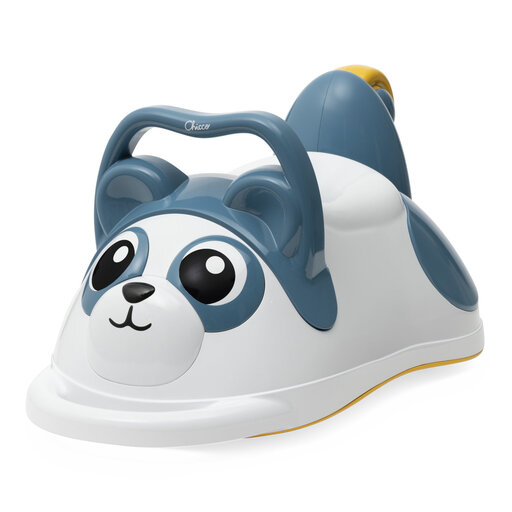
Why it suits this need: This adaptable product combines sitting, pushing and sorting. It’s best suited to homes with enough space and care settings where one product needs to support several stages of play.
The three ways to play are clearly described. This makes it easier to check before buying whether the seat height, floor space and play area are suitable.
3-in-1 design, storage space, dimensions of 59 × 33 × 37 cm, maximum load of 20 kg and age recommendations from 12 to 36 months, depending on the configuration.
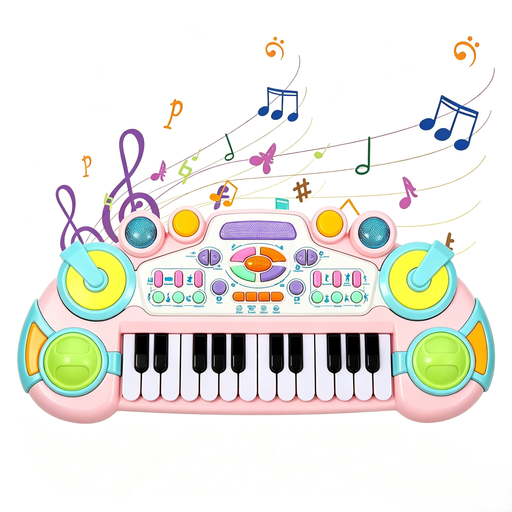
Why it suits this need: This musical toy for children combines keys with light and sound modes. It’s a good choice for families looking for a sensory toy with adjustable volume.
Volume control and a mute mode make it easier to adapt play to your home and the time of day. Batteries aren’t included, according to the product information.
24 keys, various sound modes, a light function, volume control and a stated age range of 1 to 5 years.
We’ve put together a complete, regularly updated list of products that meet these strict selection criteria and fully comply with the safety regulations in force in the EU.
Depending on your child’s stage of development, it can be helpful to combine different types of play:
For nurseries and educational settings, it’s also important to consider whether toys are suitable for group use, how easy they are to clean, whether spare parts are available and how neatly they can be stored.
From 12 months, options include large posting puzzles, shape sorters, simple stacking toys and easy-to-grip building blocks. Check the specific age recommendation, as products with similar functions can still contain parts of different sizes or detachable pieces.
How long a toy remains useful depends on its complexity and your child’s development. A simple puzzle might first be used for grasping and later for matching shapes. Adaptable products and building toys often offer several ways to play, but they need more space.
Battery-powered musical toys have ongoing costs for replacement batteries. Check whether batteries are included, whether the device can be switched off completely and whether it has volume control. Mechanical wooden toys and building blocks don’t use electricity in normal use.