
Lieferung heute & morgen

Qualitätsgarantie

Willkommens-Angebote freischalten: KOSTENLOSE Lieferung | Bis zu 80 % RABATT | Kostenlose 30-Tage-JoyPlus-Testphase
App herunterladen
Motor skills toys for children should do more than just keep them occupied – they need to suit the child’s age, the available space, and the family’s daily routine. The requirements vary significantly between Montessori toys, movement toys for toddlers and electronic activity ideas. A pretty box or a long list of features doesn’t necessarily tell you whether a product will be used meaningfully in the long term.
Three typical buying pitfalls occur particularly often:
The age stated on the packaging is a first checkpoint, but not the only factor to consider. Also pay attention to the type of movement involved:
Safety warnings take priority over general marketing claims. If a product contains small parts, it must be used under direct supervision. With climbing toys, you also need to check the footprint, weight limit and assembly requirements.
Before buying, compare the product dimensions with the intended play area. A Pikler climbing triangle, for example, needs a level, stable surface and must be positioned so that furniture, stairs or doors don’t become additional hazards.
Important details to look for include:
With a ride-on vehicle, the surface should be level. Models without brakes should not be used on roads, near stairs or on sloping paths.
Wooden toys should be free from damaged or loose parts. Painted surfaces are usually cleaned with a slightly damp cloth; harsh cleaning products can damage the material and coating. For plastic products, rounded edges and easy cleaning are important in family life.
Electronic multi-sport toys require batteries. So check whether these are included in the delivery and whether electronic components need to be protected from water. An LCD writing tablet typically uses fewer consumables in daily use than paper and crayons, but it doesn’t replace classic creative toys for children if different colours and materials are desired.
The following selection doesn’t rank products by general quality judgements, but rather by age, features, space requirements and typical use.
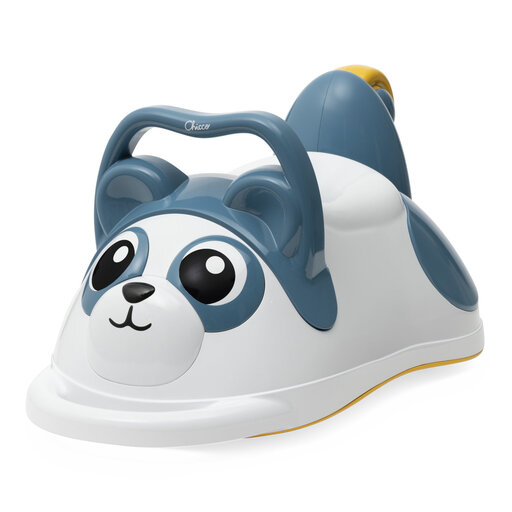
Why this product fits the profile: This model combines a ride-on vehicle, a shape-sorting station and a wheelbarrow for children from around 12 to 36 months. This means one product can cover several play stages.
The three configurations reduce the risk that a toy is only used for a short developmental phase. The age recommendations vary depending on the function.
Maximum weight capacity 20 kg, dimensions 59 × 33 × 37 cm and storage space under the seat. Use only under supervision and not on roads.
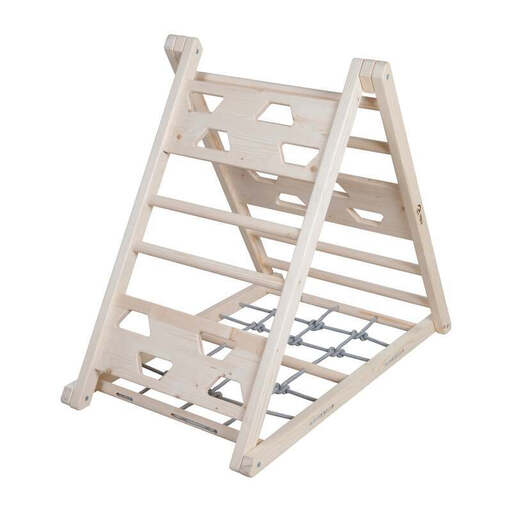
Why this product fits the profile: This three-sided wooden system features rungs, a climbing rope and differently shaped grip surfaces. It is designed for children from 24 months and supports varied climbing under supervision.
The product details clearly state dimensions, weight capacity and assembly requirements. The triangle must stand on a level, stable surface; only one child may use it at a time.
Solid wood, dimensions 85 × 63.5 × 97.5 cm and a stated weight capacity of up to 50 kg. Slide board and gym mat are available separately.
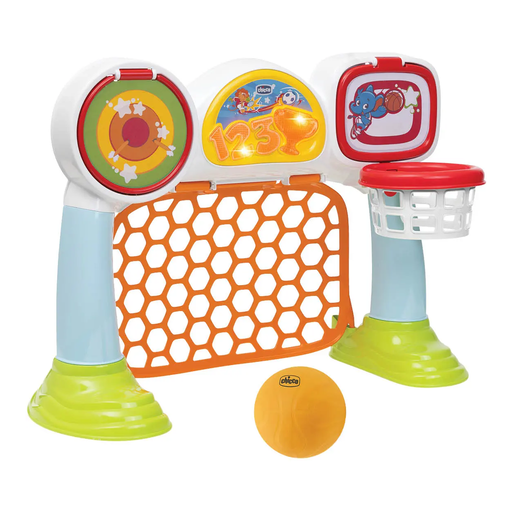
Why this product fits the profile: This electronic multi-sport toy combines football, basketball and target shooting for children aged 2 to 5 years. It is designed for both indoor and outdoor use.
The three game modes are clearly named and supported by sensors, lights and sound. Two AA batteries are required and not included.
A soft plastic ball is included. The electronics must not be submerged in water; check the toy for damage before each use.
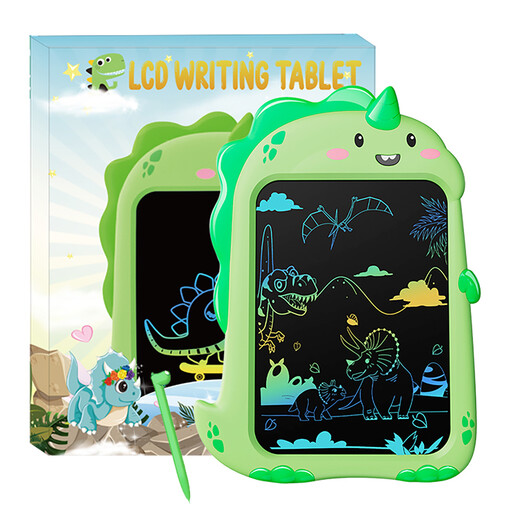
Why this product fits the profile: This lightweight writing tablet is ideal for drawing, notes and keeping children entertained while travelling. It is aimed at children aged 3 to 8 years and requires no paper.
The function stays focused on writing and drawing, rather than being overloaded with unnecessary game modes. The casing is compact and weighs around 166 g.
The 8.5-inch screen can be cleared at the touch of a button. The ABS casing measures 26.6 × 18.8 × 1.3 cm and is designed for use on the go.
We’ve put together a complete, regularly updated list of products that fully meet these strict selection criteria and the safety regulations in force in the EU.
Depending on your child’s developmental stage and your living situation, other categories may also be worth considering:
From 12 months, simple sorting and grasping games as well as sturdy push-along vehicles are suitable. With a ride-on vehicle, check the seat height, weight limit and safe use on level ground. The child should always use the product under supervision.
The lifespan depends on the material, usage and care. Check screws, connections, wheels and surfaces before each use. A product with several play variations can remain interesting for a longer period, but the respective age limit remains decisive.
That depends on how often it’s played with, the operating time and the battery type. The Chicco Multisport League requires two AA batteries, which are not included. Electronic components should be kept dry and handled according to the instructions when not in use.