
Lieferung heute & morgen

Qualitätsgarantie

Willkommens-Angebote freischalten: KOSTENLOSE Lieferung | Bis zu 80 % RABATT | Kostenlose 30-Tage-JoyPlus-Testphase
App herunterladen
The selection of toy motorcycles is vast, ranging from simple ride-on toys for toddlers to complex building kits for adults. But this wide variety also has its pitfalls. Many products lure you in with flashy designs or supposed special features, only to prove impractical or short-lived in everyday use. This guide will help you identify the essential quality features and make an informed decision that guarantees long-lasting fun.
Before you make a purchase, it's helpful to know the three most common problems that can lead to disappointment:
To avoid the problems mentioned above, you should check three core parameters. These will give you an objective basis for your decision, regardless of marketing promises.
Safety is the most important criterion. Look for the CE mark and conformity with the European toy safety standard EN 71. This standard regulates, among other things, the mechanical and physical properties as well as the flammability of toys. High-quality products, especially in the LEGO motorcycles and Playmobil motorcycles categories, use robust ABS plastic, which is durable and resilient. For a ride-on motorcycle, wide, stable wheels and a low centre of gravity are crucial for stability against tipping.
The type of motorcycle must match the child's developmental stage:
For an electric kids' motorcycle, the specifications for voltage (V) and battery capacity (ampere-hours, Ah) are crucial.
Here are some models that represent a suitable choice for different user profiles based on objective criteria.
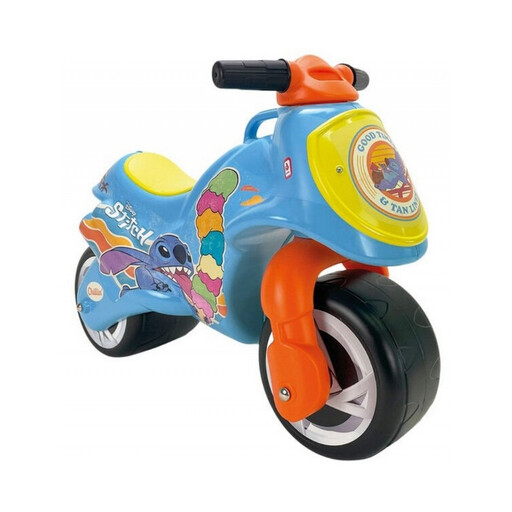
Why this model is a great fit: Ideal for toddlers from 18 months who are developing their motor skills and balance. The low seat height of 33 cm allows the child to safely reach the ground with their feet at all times.
The extra-wide plastic wheels provide high stability against tipping, thus avoiding the pitfall of unstable constructions for the youngest age group.
Specifically promotes motor development without the complexity of an electric drive. Complies with the EU safety standard EN71.
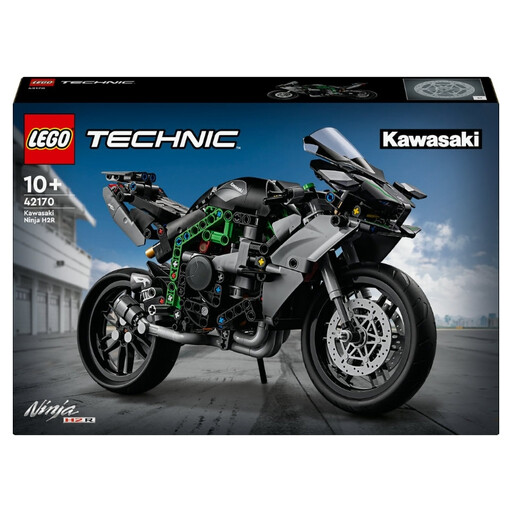
Why this model is a great fit: This set is aimed at children aged 10 and up and tech-savvy teenagers. It offers a demanding building challenge and a deep insight into mechanical principles.
The clear age recommendation and the complexity of the model avoid the pitfall of being under-challenging. It is not just a toy, but a construction project.
The model features functional details such as steering, suspension, a 2-speed gearbox, and an inline-four engine, which maximises the learning effect.
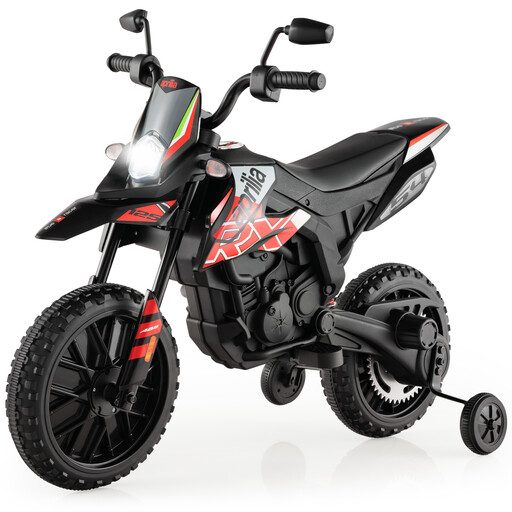
Why this model is a great fit: This electric kids' motorcycle is designed for children who want their first motorised riding experience. The officially licensed design ensures an authentic look.
The 12V drive provides sufficient power for outdoor rides and on grass, avoiding the pitfall of an underpowered motor that limits the fun.
Removable training wheels allow the vehicle to adapt to the child's growing skills, extending its lifespan and usability.
We've compiled a complete, up-to-date list of products that fully meet these strict selection criteria and UK safety regulations.
1. What should I look for in terms of safety on an electric kids' motorcycle? In addition to the CE mark and EN 71 compliance, look for a sturdy construction, especially for the wheels and handlebars. Training wheels are essential for beginners. The maximum speed should be appropriate for the child's age; 3-5 km/h is a common and safe value for children under 6. Also, check if the vehicle has an automatic motor brake that stops the vehicle as soon as the foot is taken off the accelerator.
2. How long does the battery last on an electric kids' motorcycle? The actual battery life depends on several factors: the battery capacity (in Ah), the child's weight, the surface (asphalt vs. grass), and the riding style. As a guideline, you can expect an uninterrupted ride time of 45 to 90 minutes for most 12V models. The charging time is typically 8 to 12 hours.
3. From what age is a LEGO Technic motorcycle appropriate? LEGO provides an age recommendation for each Technic set, which is a good indicator. Simpler models are often suitable for children from age 7 and provide a playful introduction to the world of mechanics. More complex sets, like the detailed replicas of Ducati or Kawasaki, are aimed at children aged 10 and up, teenagers, and adults. They require more patience, fine motor skills, and the ability to follow complex building instructions.